
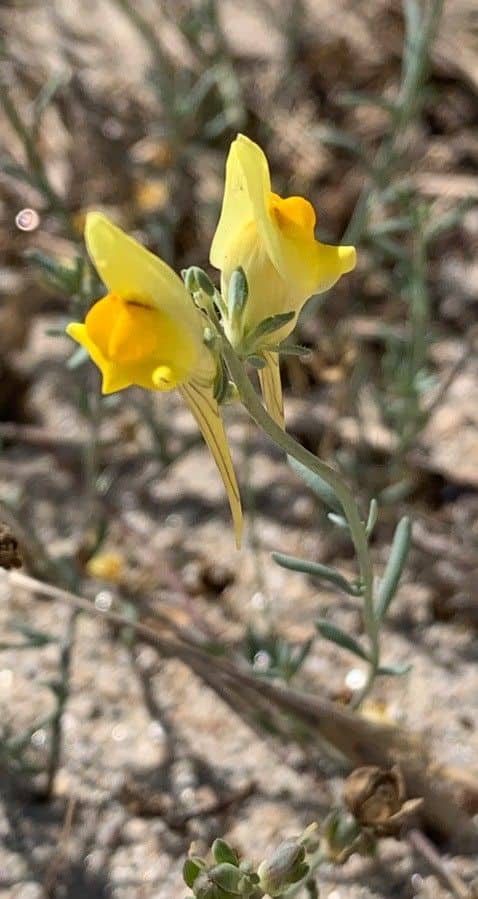
Unleashing the Beauty of Toadflax: Propagating Linaria polygalifolia
Linaria polygalifolia, commonly known as Milkwort Toadflax, is a charming wildflower boasting delicate, snapdragon-like blooms that add a touch of whimsy to any garden. Unlike its more aggressive cousin, the Yellow Toadflax, this perennial beauty is well-behaved and a delight to cultivate. But how do you go about adding this lovely specimen to your own green haven? Let’s delve into the captivating world of Linaria polygalifolia propagation!
Seeds: Sowing the Seeds of Success
Propagating Linaria polygalifolia from seed is a rewarding endeavor, and thankfully, a relatively straightforward one. Here’s a step-by-step guide:
Timing is Key: Begin sowing indoors 6-8 weeks before your last expected frost. This gives the seedlings a head start and ensures robust plants by planting time.
Sowing the Seeds: Use a well-draining seed starting mix and sprinkle the seeds on the surface. Linaria polygalifolia seeds need light to germinate, so refrain from burying them.
Moisture is Crucial: Mist the soil surface diligently, keeping it consistently moist but not soggy. A spray bottle works best for this delicate task.
Let There Be Light: Place the seed tray in a bright location, out of direct sunlight. A sunny windowsill or under grow lights will provide the perfect amount of illumination.
Germination Patience: Patience is key! Germination can take anywhere from 10 days to several weeks.
- Transplanting Time: Once the seedlings develop a couple of true leaves and all danger of frost has passed, harden them off gradually by introducing them to outdoor conditions for increasingly longer periods. Finally, transplant them into their permanent location in your garden.
Cuttings: Cloning Your Floral Favorites
For a quicker method of propagation and to ensure identical plant characteristics, consider taking cuttings. This method is best undertaken in spring:
Choosing the Right Cuttings: Select healthy, non-flowering stems that are about 3-4 inches long.
Preparing the Cutting: Remove the lower leaves, leaving 2-3 pairs at the top. Dip the cut end in rooting hormone (optional, but recommended for increased success rate).
Potting Up: Plant the cutting in a pot filled with a well-draining potting mix, burying the leaf nodes.
Creating a Humid Environment: Cover the pot with a clear plastic bag or use a propagator to maintain high humidity levels crucial for successful rooting.
- Patience, Please: Keep the cuttings in a bright location out of direct sunlight. Rooting can take several weeks. Once new growth appears, it’s a sign that your cuttings have successfully taken root!
Caring for Your Linaria polygalifolia
Regardless of your chosen propagation method, Linaria polygalifolia thrives in well-drained soil and a sunny location. Once established, it’s relatively low-maintenance, requiring only occasional watering during dry periods. Deadheading spent blooms encourages continuous flowering throughout the season.
A Rewarding Addition to Your Garden
Whether you choose to propagate by seed or cuttings, Linaria polygalifolia is a rewarding plant to grow. Its cheerful blooms, delicate foliage, and easy-going nature make it a stunning addition to any garden. So why wait? Unleash the beauty of Toadflax and enjoy the delightful charm it brings to your outdoor space!