
Taming the Velvet Giant: Your Guide to Propagating Roldana petasitis
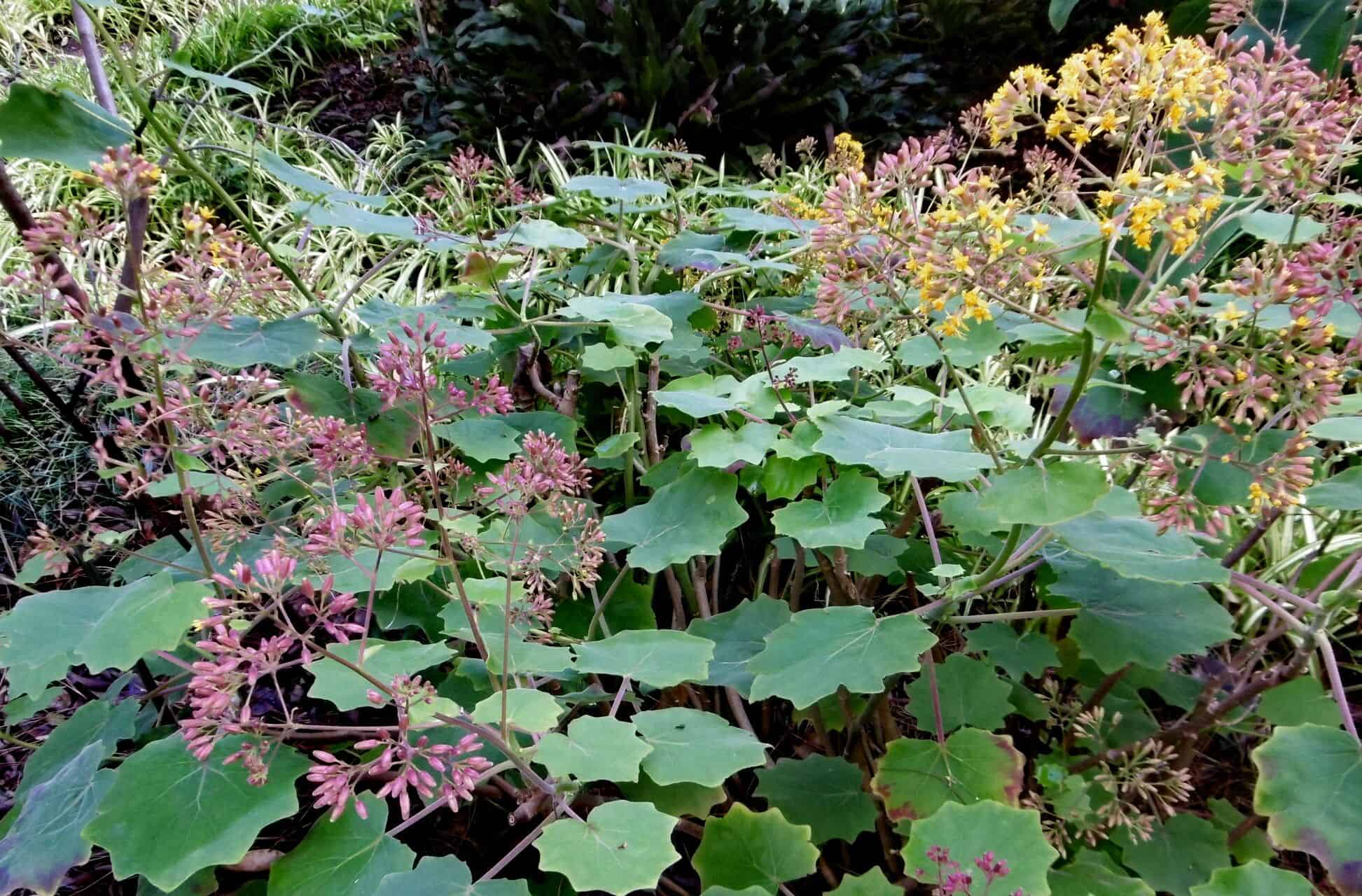
Roldana petasitis, also known as the Velvet Leaf Plant or Mexican Sunflower, is a sight to behold. This fast-growing, evergreen shrub boasts enormous, velvety leaves and vibrant yellow blooms reminiscent of sunflowers. Native to Mexico and Central America, this tropical beauty can add drama and texture to your garden or home.
If you’re already smitten by Roldana petasitis (and let’s face it, who wouldn’t be!), you’ll be thrilled to know that propagating it is a relatively simple process. In fact, with a bit of patience and the right approach, you can soon have a whole family of these captivating plants.
Propagation Methods:
You can propagate Roldana petasitis in two effective ways:
1. Stem Cuttings:
This method offers the quickest route to new plants and is best undertaken in spring or early summer when the plant is actively growing. Here’s how:
- Take the cuttings: Using a clean, sharp knife or pruning shears, take 4-6 inch cuttings from healthy, non-flowering stems. Each cutting should have at least 2-3 sets of leaves.
- Prepare the cuttings: Remove the leaves from the bottom inch of each cutting. You can dip the cut end in rooting hormone powder to encourage faster root development, though this isn’t strictly necessary.
- Potting up: Plant the cuttings in a well-draining potting mix, burying the bottom node (where the leaves were removed) in the soil. Water well and place the pot in a warm, bright location, out of direct sunlight.
- Keep it humid: To create a humid environment, you can tent the pot with a clear plastic bag or use a propagator. Remove the cover for an hour each day to allow for air circulation and prevent fungal diseases.
- Be patient: It may take 4-6 weeks for the cuttings to root. You can test for root development by gently tugging on the cutting. Resistance indicates root formation.
2. Seeds:
While less common, Roldana petasitis can be grown from seeds.
- Source your seeds: Seeds may be available online or in specialized nurseries.
- Sow the seeds: Sow the seeds in a seed-starting mix, lightly pressing them into the soil. Keep the soil consistently moist but not waterlogged.
- Provide warmth and light: Place the seed tray in a warm location with bright, indirect light. A heat mat can be beneficial to maintain consistent warmth.
- Transplanting: Once the seedlings have developed a couple of sets of true leaves and are large enough to handle, they can be transplanted into individual pots.
Caring for your new Roldana petasitis:
Once your new plants are established, providing the right care is crucial for their success:
- Light: Roldana petasitis thrives in bright, indirect light. Avoid placing them in direct sunlight, which can scorch their leaves.
- Water: Keep the soil consistently moist, but be cautious not to overwater, as this can lead to root rot. Allow the top inch of soil to dry out between waterings.
- Humidity: These plants appreciate higher humidity levels. You can mist their leaves regularly or place the pot on a pebble tray filled with water.
- Fertilizer: Feed your Roldana petasitis with a balanced liquid fertilizer every 4-6 weeks during the growing season (spring and summer).
With its captivating appearance and easy propagation methods, Roldana petasitis is a rewarding plant to grow. Whether you choose to propagate through stem cuttings or seeds, following these tips will help you expand your collection and enjoy the beauty of this velvet-leaved wonder for years to come.