
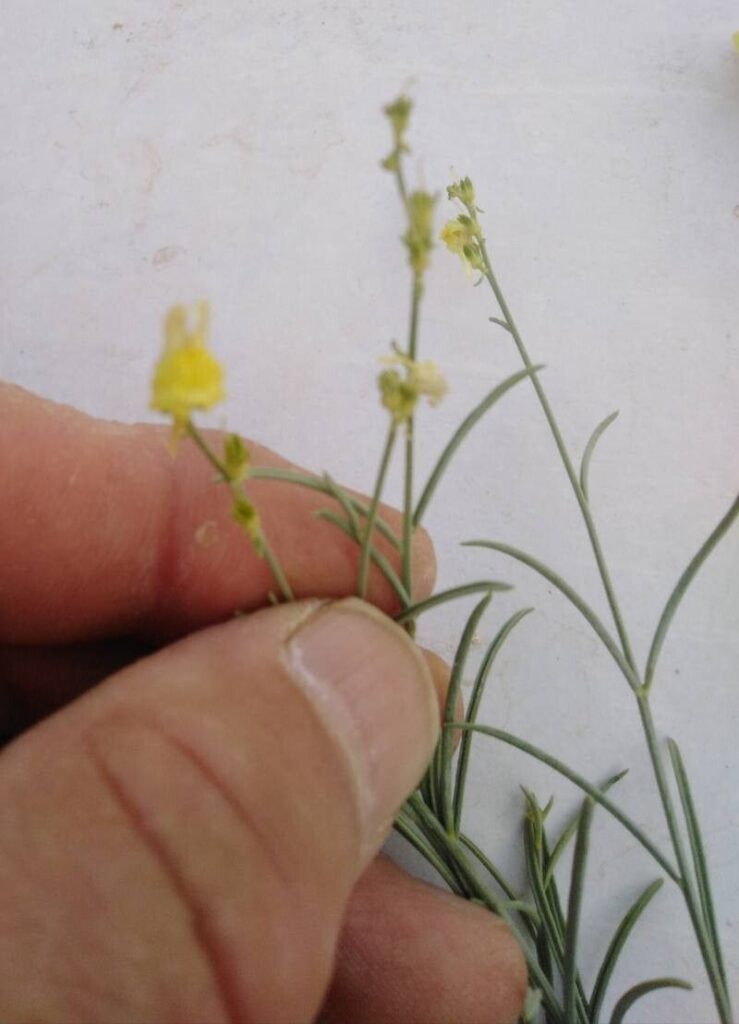
From Tiny Seeds to Graceful Blooms: Propagating the Delicate Linaria tenuis
If you’re looking for a vibrant and easy-to-grow addition to your garden, look no further than Linaria tenuis, commonly known as “Slender Toadflax”. This charming wildflower boasts stunning, snapdragon-like blooms in shades of yellow, orange, and white, adding a touch of rustic beauty to borders, meadows, and even containers. But what makes Linaria tenuis truly remarkable is its ease of propagation, making it a perfect choice for both seasoned gardeners and beginners.
Seeds: A Simple Start
The most common and rewarding way to propagate Linaria tenuis is through seeds. These tiny treasures are surprisingly prolific and can be sown directly into the ground in spring or fall.
Here’s a step-by-step guide:
- Prepare the Soil: Choose a well-drained, sunny spot in your garden. Since Linaria tenuis thrives in poor, sandy soils, there’s no need to fuss with overly rich amendments.
- Sow Seeds Directly: Scatter the seeds thinly over the prepared soil, ensuring they have good contact with the ground. Lightly rake the soil to cover the seeds.
- Water Gently: Water the area thoroughly, avoiding excessive saturation. Linaria tenuis seeds prefer a moist environment for germination.
- Thin as Needed: Once seedlings emerge, thin them to about 6 inches apart for optimal growth and flowering.
Pro Tip: Linaria tenuis seeds germinate best in cooler temperatures. If sowing in spring, wait for the harshest frosts to pass. In fall, sow them just before the first frost.
Sowing Indoors: A Controlled Approach
For a head start, especially in colder climates, you can sow your seeds indoors a few weeks before the last frost. This will give your seedlings a chance to grow stronger before facing the outdoor elements.
Follow these steps:
- Select Seed Trays: Choose seed trays with drainage holes to prevent overwatering. Fill them with seed-starting mix.
- Sowing Time: Gently press each seed into the soil mix, spaced about an inch apart. Mist the surface with water to keep it moist.
- Maintain Warmth: Cover the seed trays with a clear plastic dome or lid to create a warm, humid environment for germination. Place them in a bright location, out of direct sunlight.
- Thin When Needed: Once seedlings have a few sets of true leaves, carefully thin them to create more space for growth.
The Magic of Cuttings: A Quick and Easy Alternative
If you already have a Linaria tenuis plant in bloom, propagation through cuttings is a fast and efficient method.
- Take Cuttings: Choose healthy stem tips, about 4 inches long, with several leaf nodes.
- Prepare the Cuttings: Remove the bottom leaves and dip the cut end in a rooting hormone.
- Plant in a Pot: Fill a small pot with a moist seed-starting mix or a mix of perlite and peat moss. Poke a hole in the mix and insert the cutting.
- Mist Regularly: Keep the mix moist by misting regularly. Cover the pot with a plastic bag or dome to maintain humidity.
- Watch for Roots: After a few weeks, gentle tugging will reveal if roots have formed.
Pro Tip: Take cuttings in the early spring or late summer for best rooting success.
From Tiny Seeds to a Blooming Wonderland
Whether you choose to sow seeds, start indoors, or take cuttings, propagating Linaria tenuis is surprisingly simple and rewarding. This beautiful wildflower will grace your garden with its delicate blooms for many years to come, adding a touch of charm and vibrant color to your landscape. So, grab some seeds, get your hands dirty, and enjoy the magic of watching these tiny gems blossom into a sea of beauty!