
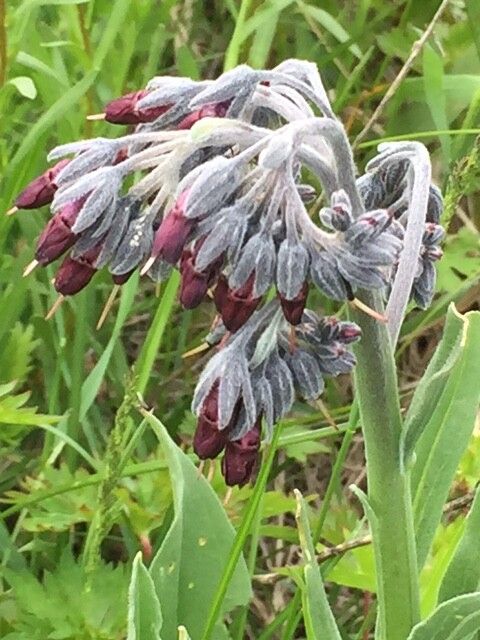
Unveiling the Secrets to Propagating the Himalayan Beauty: Lindelofia stylosa
The Himalayan Mountains are a treasure trove of unique and mesmerizing flora, and nestled among them thrives the captivating Lindelofia stylosa, often known as the “Blue Hound’s Tongue” or “Kashmiri Borage”. This enchanting perennial boasts drooping clusters of sky-blue, bell-shaped flowers that resemble forget-me-nots, adding a touch of ethereal beauty to any garden.
If you’ve been captivated by the charm of Lindelofia stylosa and yearn to have this Himalayan gem grace your own outdoor space, you’ll be pleased to know that propagating it is a rewarding endeavor. Let’s delve into the different methods to multiply your stock and welcome more of these blue beauties into your life.
Method 1: Sowing Seeds – A Journey From Tiny Specks to Stunning Blooms
- Timing is Key: Start your Lindelofia stylosa seeds indoors approximately 6-8 weeks before the last expected frost in your area.
- Sowing the Seeds: Use a seed starting mix that is well-draining and sow the seeds on the surface, pressing them lightly to ensure good contact.
- Light and Warmth: Place your seed tray in a warm spot with bright, indirect light. A temperature around 65-70°F (18-21°C) is ideal for germination.
- Patience is a Virtue: Germination can be slow, taking anywhere from 2 to 4 weeks. Keep the soil consistently moist but not waterlogged.
- Transplanting Success: Once the seedlings develop a couple of true leaves, transplant them into individual pots.
- Hardening Off: Gradually acclimatize the young plants to outdoor conditions before planting them in their final location after the danger of frost has passed.
Method 2: Division – Sharing is Caring (and Multiplying!)
- The Right Time: Divide established Lindelofia stylosa plants in early spring or fall.
- Gentle Separation: Carefully dig up the entire plant and gently tease apart the root ball into smaller sections, ensuring each section has a good amount of roots and shoots.
- Replanting Time: Replant the divisions immediately in well-prepared soil, water them in well, and watch them flourish.
Method 3: Taking Cuttings – Cloning Your Floral Delights
- The Cutting Edge: In late spring or early summer, select healthy, non-flowering stems about 4-6 inches long.
- Preparing the Cuttings: Remove the lower leaves and dip the cut end in rooting hormone to encourage root development.
- Planting the Cuttings: Plant the cuttings in a moist, well-draining potting mix.
- Creating a Humid Environment: Cover the pot with a plastic bag or use a propagator to maintain humidity, which aids in root development.
- Rooting Revelation: Check for root development after a few weeks. Once roots have formed, gradually acclimatize the cuttings to normal conditions before transplanting them.
Nurturing Your New Lindelofia Stylosa Plants
Regardless of your chosen propagation method, your new Lindelofia stylosa plants will thrive in a spot that receives dappled shade or morning sun with afternoon shade, especially in hotter climates. Ensure well-drained soil and water regularly, allowing the soil to dry out slightly between waterings.
Propagating Lindelofia stylosa, whether from seed, division, or cuttings, is an enriching experience that allows you to expand your collection of these captivating Himalayan treasures. With a little patience and care, you can enjoy a symphony of blue blooms, transforming your garden into a haven of celestial beauty. So, why wait? Embark on your propagation journey and let the enchanting beauty of Lindelofia stylosa grace your garden for years to come.