
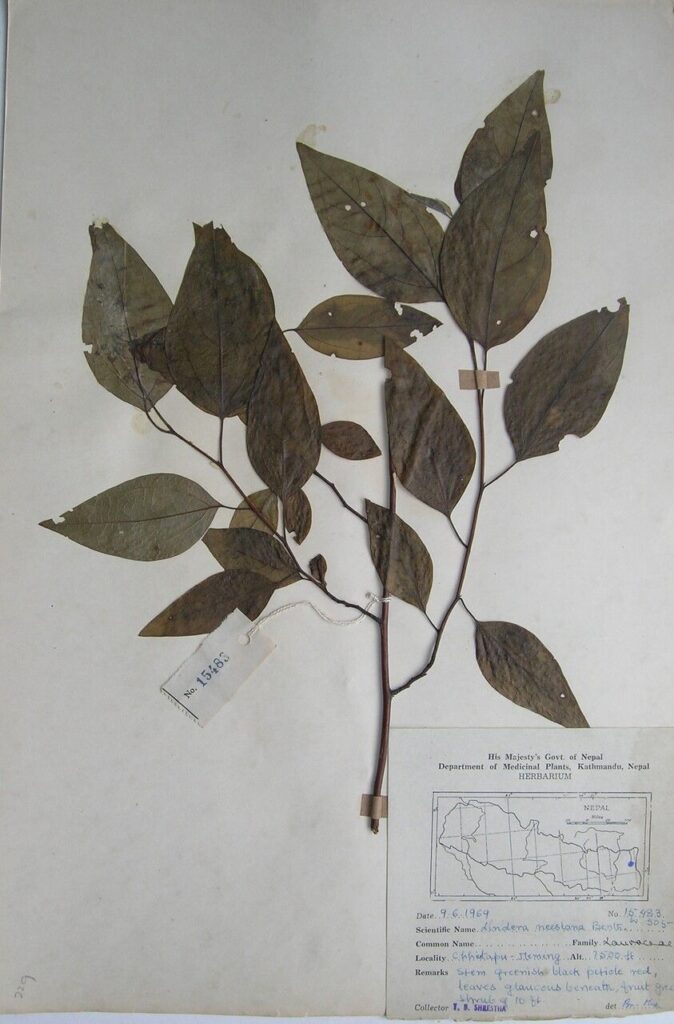
Unveiling the Secrets of Propagating Spicebush: A Guide to Growing Lindera neesiana
The Spicebush (Lindera neesiana), with its vibrant yellow blossoms and intoxicatingly aromatic leaves and berries, is a true woodland treasure. This underappreciated shrub, native to eastern North America, deserves a prominent place in any garden aiming to attract pollinators and dazzle with its multi-seasonal beauty.
While acquiring Spicebush through nurseries is possible, propagating your own is incredibly rewarding. Let’s delve into the methods that will have you cultivating these fragrant beauties in no time!
Method 1: Seed – A Test of Patience
Propagating Lindera neesiana by seed requires dedication and a touch of green thumb magic. Patience is key as the seeds have a period of dormancy that needs to be broken for successful germination.
- Collection and Cleaning: Collect ripe berries in early fall when they turn a vibrant red. Remove the fleshy pulp surrounding the seed, as it contains germination inhibitors.
- Cold Stratification: Mimic nature’s way by cold-stratifying the seeds. Mix them with moist sand or peat moss, seal them in a plastic bag, and refrigerate for 90-120 days.
- Sowing: Once stratified, sow the seeds in a well-draining seed starting mix, barely covering them with soil.
- Patience is Key: Germination can be erratic, taking anywhere from a few weeks to a few months. Provide consistent moisture and indirect sunlight during this period.
Method 2: Softwood Cuttings – A Quicker Path to Success
Softwood cuttings offer a faster and generally more reliable method than seeds.
- Timing is Everything: Take cuttings in late spring or early summer when the new growth is pliable.
- Cut and Prepare: Select healthy, non-flowering stems and make a clean cut just below a leaf node. Remove the lower leaves and wound the base of the cutting slightly to encourage root development.
- Hormonal Boost: Dip the wounded end in rooting hormone powder to increase the odds of success.
- Planting: Plant the cuttings in a well-draining potting mix, burying at least one node.
- Humidity is Key: Cover the cuttings with a plastic bag or humidity dome to maintain moisture.
- Root Development: After a few weeks, gently tug on the cuttings to check for resistance. Resistance indicates successful root development.
Method 3: Layering – Letting Nature Take the Lead
Layering, while a slower method, boasts high success rates.
- Select a Branch: In spring, choose a low-growing, flexible branch.
- Wound and Bury: Make a small wound on the underside of the branch and bury this section in the soil, using a landscape staple to secure it.
- Patience: Keep the soil consistently moist.
- Separation: After a year, check for root development. If successfully rooted, separate the new plant from the parent.
Tips for Success
- Well-Drained Soil: Lindera neesiana thrives in consistently moist, well-drained soil.
- Sun or Shade: Spicebush tolerates full sun to partial shade, making it adaptable to different garden conditions.
- Pest and Disease Resistant: This resilient shrub has minimal pest or disease issues, making it a low-maintenance choice.
Propagation, whether through seeds, cuttings, or layering, presents an opportunity to deepen your connection with this delightful native shrub. By incorporating Spicebush into your garden, you’ll not only enhance its beauty but contribute to the well-being of local pollinators. So, embrace the challenge and reap the rewards of growing your own Lindera neesiana!