
Propagating Linum arboreum: The Tree Flax Challenge
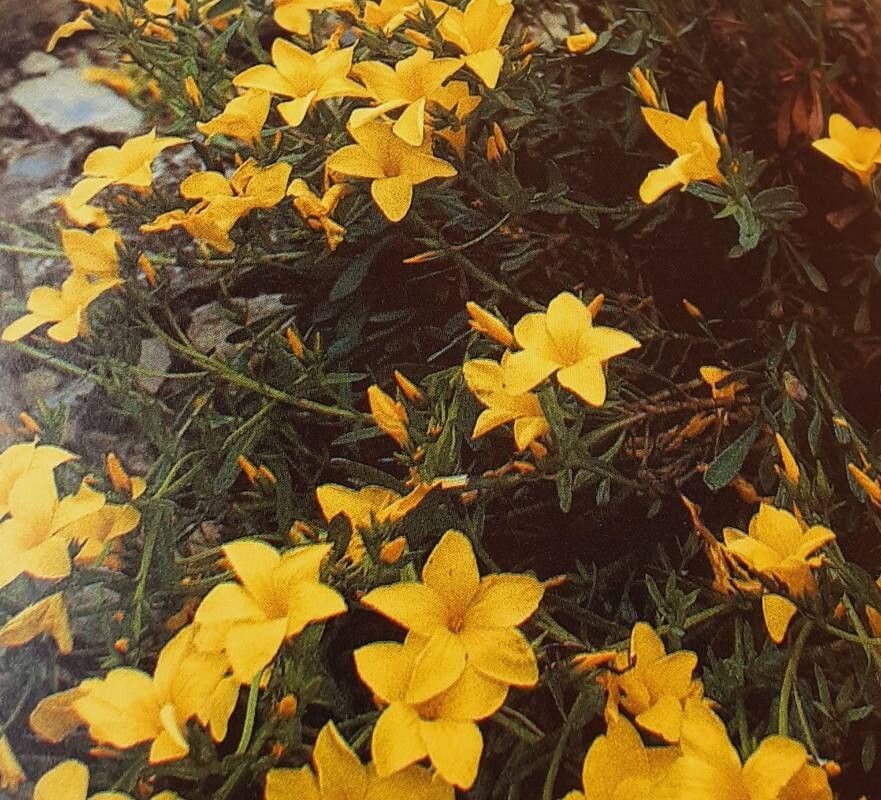
Linum arboreum, commonly known as Tree Flax, is a captivating shrub boasting vibrant yellow flowers and attractive greyish-green foliage. This relatively uncommon plant holds a special allure for gardeners, drawn to its unique appearance and the challenge of its cultivation. Its propagation, however, presents several hurdles, making successful multiplication a rewarding endeavor for the dedicated horticulturalist.
Seed Germination:
Currently, there are no known reliable methods for seed germination propagation of Linum arboreum. While seeds may be produced, their germination rate is exceptionally low, and successful germination under typical horticultural conditions has not been widely documented. This lack of reliable seed germination limits the potential for mass propagation and genetic diversity through this method.
Cuttings:
Cuttings offer a more promising approach to propagating Linum arboreum. However, it’s not without its challenges.
Challenges: Success with cuttings relies heavily on maintaining optimal humidity and temperature. The woody nature of the stems makes them relatively difficult to root. Furthermore, the cuttings are susceptible to fungal infections if not kept extremely clean.
Practical Tips: Semi-hardwood cuttings taken in late summer or early autumn show the best results. Before planting, dip the base of the cutting in a rooting hormone powder. Plant the cuttings in a well-draining, sterile propagation mix, and cover the container with a clear plastic dome to create a humid environment. Mist regularly to maintain humidity but avoid waterlogging. Bottom heat can also improve rooting success.
Rewards: Successful rooting of cuttings allows for the precise reproduction of desirable traits in a plant, offering a reliable method for propagating selected cultivars.
Division:
Division is not a viable method for propagating Linum arboreum. The plant’s single-stemmed, shrubby nature does not lend itself easily to being separated into multiple, independently viable plants.
Tissue Culture:
Tissue culture presents a technically advanced but potentially highly rewarding propagation method.
Challenges: Establishing sterile conditions for tissue culture is crucial, requiring specialized equipment and aseptic techniques. Finding the optimal growth media and hormone combinations for successful shoot and root differentiation in Linum arboreum requires experimentation and may require considerable expertise.
Practical Tips: This method necessitates a controlled environment with precise temperature and light regulation. Specialized laboratories or experienced tissue culture propagators are generally required.
Rewards: Tissue culture enables the mass production of Linum arboreum clones, providing a reliable method for large-scale propagation and the preservation of genetically valuable specimens.
Conclusion:
Propagating Linum arboreum presents a unique horticultural challenge. While seed germination proves unreliable, cuttings offer a viable pathway albeit requiring patience, skill, and attention to detail. Division is not feasible, while tissue culture, though demanding, unlocks the potential for large-scale propagation. The satisfaction of successfully propagating this striking plant, given the inherent difficulties, lies in the combination of meticulous care and the ultimate reward of seeing its unique beauty flourish in a new generation of plants. Therefore, prospective propagators should embrace the challenges with persistence and patience, as the beauty of a successfully cultivated Tree Flax is a testament to horticultural dedication.