
Blooming Brilliance: Simple Ways to Propagate Your Flax Flowers (Linum Grandiflorum)
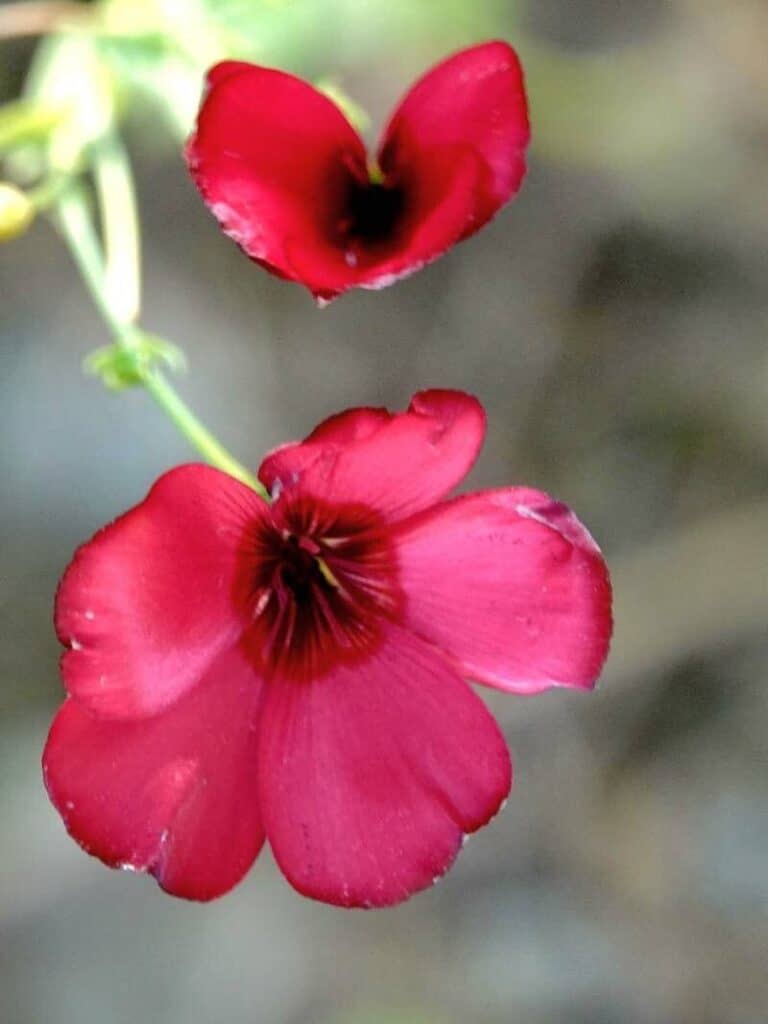
Linum grandiflorum, commonly known as scarlet flax or flowering flax, is a beloved garden favorite for its vibrant, scarlet red blooms and delicate, airy foliage. While these stunning flowers may appear delicate, they’re surprisingly easy to propagate, allowing you to fill your garden with their fiery beauty year after year. Intrigued? Let’s explore two straightforward methods to multiply your flax flower power!
1. Seeding Your Success: Propagating Linum Grandiflorum from Seed
Direct sowing is the most common and rewarding method for propagating Linum grandiflorum. Here’s how to do it:
When to Sow:
- Outdoors: Ideally, sow seeds directly into your garden after the last frost in your area, when the soil has warmed up a bit. This is generally in spring.
- Indoors (for earlier blooms): For an early start, sow indoors 6-8 weeks before your last expected frost. Use biodegradable pots that can be directly planted to avoid disturbing the delicate roots.
Sowing the Seeds:
- Choose a Sunny Spot: Linum grandiflorum flourishes in full sun, so select a spot in your garden that receives at least 6 hours of direct sunlight daily.
- Prepare Your Soil: These flowers prefer well-drained soil. Amend heavy clay soils with compost or other organic matter to improve drainage.
- Sow Seeds Sparingly: Sprinkle seeds thinly over the soil surface, spacing them about 6-8 inches apart. Don’t bury them too deep; a light covering of soil is enough.
- Water Gently: Mist the soil gently after sowing, being careful not to dislodge the seeds.
- Thinning: Once seedlings emerge (usually within 7-14 days), thin them out, leaving the strongest seedling every 6-8 inches. This ensures adequate air circulation and reduces competition for resources.
2. Cuttings for Continuous Color: Propagating from Stem Cuttings
Want even more flax flowers? Propagating from stem cuttings is another effective method:
When to Take Cuttings:
- The best time is late spring or early summer when the plant is actively growing.
Taking the Cuttings:
- Select Healthy Stems: Choose healthy, non-flowering stems about 3-4 inches long.
- Make a Clean Cut: Using a sharp, sterilized knife or pruning shears, make a clean cut just below a leaf node (the point where a leaf emerges from the stem).
- Prepare the Cuttings: Remove the lower leaves from the cutting, leaving 2-3 leaves at the top.
- Dip in Rooting Hormone (Optional but Recommended): Dipping the cut end in rooting hormone can significantly increase the success rate of cuttings, encouraging faster root development.
- Plant the Cuttings: Plant the cuttings in a well-draining potting mix, burying the bottom node.
- Create a Humid Environment: Cover the pot with a plastic bag or use a propagation dome to maintain high humidity. This helps prevent the cuttings from drying out.
- Place in Indirect Light: Keep the cuttings in a well-lit area, but out of direct sunlight, as it can scorch the delicate leaves.
Nurturing Your New Flax Flowers
Both seedlings and cuttings require similar care:
- Watering: Keep the soil consistently moist but not waterlogged.
- Fertilizing: Feed them with a balanced liquid fertilizer every 2-3 weeks during the growing season.
- Deadheading: Regularly remove faded blooms to encourage more flowers and prolong the blooming period.
With these simple propagation techniques, you can easily multiply your Linum grandiflorum and enjoy an abundance of their dazzling scarlet blooms season after season!