
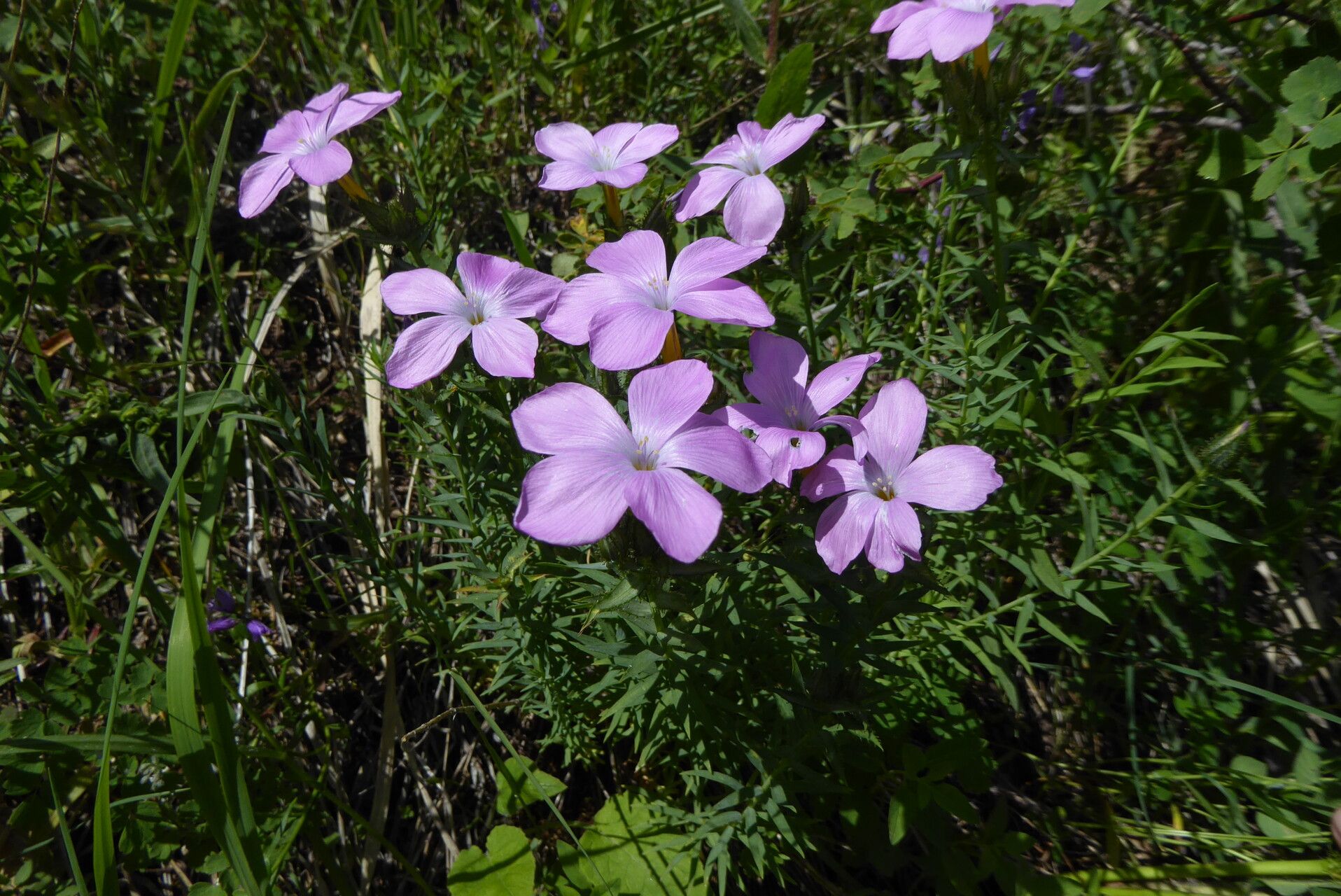
Propagating Linum olgae: Cultivating the Olga Flax
Linum olgae, commonly known as Olga flax, is a captivating flowering plant prized for its delicate, sky-blue flowers and graceful, slender habit. Its relatively diminutive stature and charming blossoms make it a favorite among rock garden enthusiasts and those seeking to add a touch of elegant simplicity to their landscapes. However, its propagation presents certain challenges, making successful cultivation all the more rewarding. This article explores various propagation methods for Linum olgae, weighing their successes and difficulties.
Seed Germination:
Currently, there are no known reliable methods for seed germination propagation of Linum olgae. While some Linum species readily propagate from seed, Linum olgae seems to exhibit low germination rates or difficulties with seedling establishment, even under ideal conditions. Further research is needed to establish viable seed germination protocols for this species.
Cuttings:
Cuttings offer a more promising avenue for propagating Linum olgae.
Challenges: Success rates can be moderate, and the cuttings require careful attention to humidity and environmental conditions to prevent wilting and fungal diseases. Hardwood cuttings taken in late fall or softwood cuttings taken in spring are most likely to succeed.
Practical Tips: Use sharp, clean tools to take semi-hardwood cuttings (about 4-6 inches long) from non-flowering stems. Remove lower leaves and dip the cut ends in rooting hormone before planting them in a well-draining mix of perlite and peat moss. Maintain high humidity using a propagation dome or plastic bag and provide bright, indirect light. Consistent moisture is crucial but avoid overwatering, which can lead to rot. Rooting typically takes several weeks to months.
Rewards: Cuttings preserve the exact genetic characteristics of the parent plant, ensuring that desirable traits are passed on. This method is also effective for multiplying a limited number of plants.
Division:
Division of established Linum olgae clumps is a viable method, particularly for larger, well-established plants.
Challenges: This method is limited by the availability of mature plants large enough to divide. Care must be taken to avoid damaging the root system during division.
Practical Tips: The best time for division is in spring or early autumn. Carefully dig up the plant, gently separate the clump into smaller sections, each containing healthy roots and shoots. Replant immediately, ensuring each division has sufficient root mass for successful establishment. Water thoroughly after planting.
Rewards: Division is a relatively straightforward and efficient method for increasing the number of plants, especially if you have a mature, thriving specimen of Linum olgae.
Tissue Culture:
Tissue culture propagation is a sophisticated technique requiring specialized equipment and expertise.
Challenges: This method involves significant upfront investment in specialized equipment and laboratory facilities, as well as specialized knowledge of aseptic techniques. Optimizing culture media for Linum olgae would require further research and experimentation.
Practical Tips: While beyond the scope of home propagation, tissue culture offers the potential for large-scale propagation and disease eradication. Specialized laboratories can perform this method.
Rewards: Tissue culture allows for rapid multiplication of plants and the production of disease-free stock. It is particularly useful for rare or endangered varieties where more conventional methods may be inappropriate.
Conclusion:
Propagating Linum olgae presents a unique set of challenges, with seed germination currently proving unreliable. Cuttings and division offer more practical options for home gardeners, while tissue culture remains a more specialized, large-scale approach. The success of each method hinges on careful attention to detail, from selecting high-quality plant material to meticulously managing environmental conditions. However, the rewards of cultivating this elegant little plant—the joy of witnessing its delicate blooms emerge from a cutting you nurtured, or the satisfaction of dividing a thriving clump into many—are more than sufficient compensation for the effort, making the challenge a worthwhile pursuit for dedicated gardeners. Don’t be discouraged by initial setbacks; persistence and patience often unlock the secrets to successfully propagating Linum olgae.