
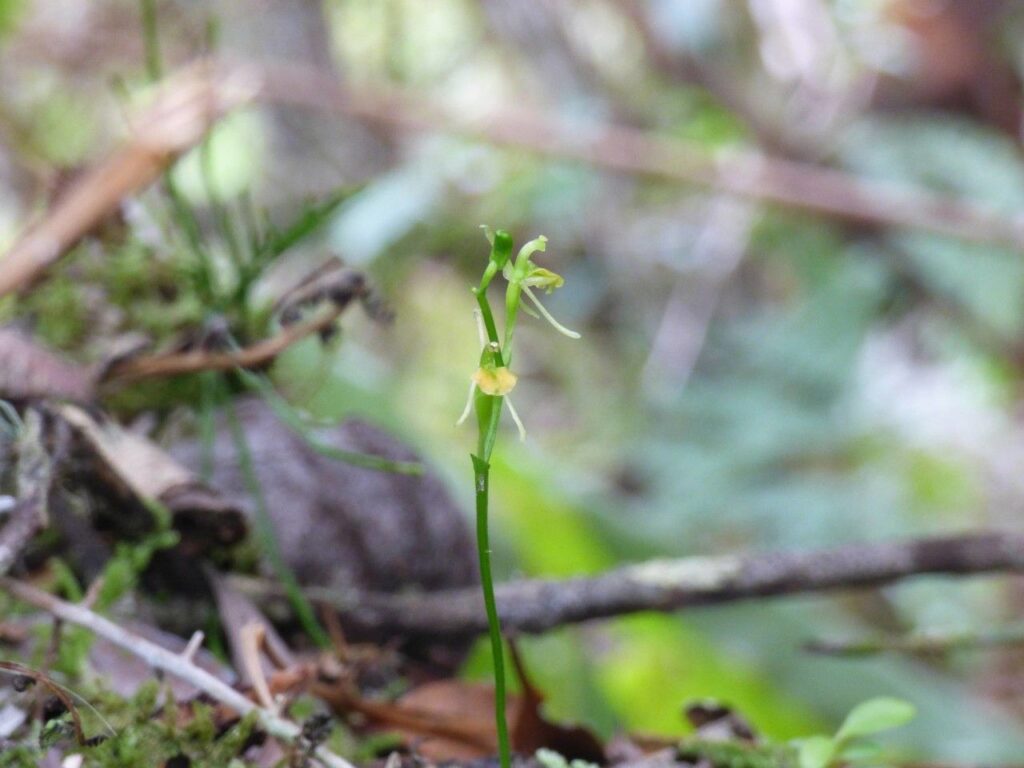
Propagating Liparis ambohimangana: A Gardener’s Guide to a Rare Orchid
Introduction:
Liparis ambohimangana, a member of the orchid family Orchidaceae, is a relatively rare and captivating plant. While it doesn’t yet have a widely used common name, its unique characteristics make it a desirable addition to any orchid collection. Its delicate foliage and often subtly coloured flowers distinguish it from other Liparis species. Its horticultural significance lies in its contribution to the preservation of biodiversity and the appeal it holds for orchid enthusiasts seeking less commonly cultivated species. However, its propagation presents unique challenges due to its rarity and specific environmental needs.
Seed Germination:
Currently, there are no known reliable methods for seed germination propagation of Liparis ambohimangana. Orchid seed germination is notoriously challenging, typically requiring a symbiotic relationship with specific mycorrhizal fungi. The specific fungal partner for Liparis ambohimangana remains unidentified, rendering conventional seed germination methods impractical at present. Further research into its mycorrhizal associations is crucial for developing successful seed propagation techniques.
Cuttings:
Cuttings are not a viable method for propagating Liparis ambohimangana. Unlike some other plants, orchids generally don’t readily propagate from stem or leaf cuttings. The specialized physiology of orchids necessitates a different approach for successful propagation.
Division:
Division of established plants offers the most reliable method for propagating Liparis ambohimangana. This involves carefully separating the plant’s pseudobulbs, ensuring each section has sufficient root systems and healthy growth points.
Challenges: Liparis ambohimangana may grow slowly and form relatively compact clumps, limiting the number of divisions possible from a single plant. Careful handling is crucial to avoid damaging the delicate roots. Potting the divided sections in an appropriate, well-draining orchid medium is vital for successful establishment.
Tips: Sterilize cutting tools before and after each division to prevent the spread of disease. Use a well-draining mix suitable for epiphytic orchids. Place divided plants in a humid, shaded environment until new growth appears.
Rewards: Division provides the quickest and most reliable means of increasing the stock of this rare orchid. It maintains the genetic integrity of the parent plant.
Tissue Culture:
Tissue culture offers a potentially promising—though sophisticated—method for propagating Liparis ambohimangana. This laboratory-based technique allows for large-scale propagation from small plant sections or even single cells.
Challenges: Tissue culture requires specialized equipment, sterile conditions, and a detailed understanding of the plant’s hormonal requirements. Developing the appropriate culture medium and protocols may take considerable experimentation.
Tips: Collaboration with experienced tissue culture laboratories specializing in orchids is strongly recommended. Detailed records of the culture medium composition, growth conditions, and any observed responses are essential for optimizing the process.
Rewards: Tissue culture offers the possibility of mass propagation, enabling the conservation of this rare orchid and making it more accessible to collectors. It allows for the production of disease-free plants and potentially the exploration of genetic diversity through selective propagation.
Conclusion:
Propagating Liparis ambohimangana presents significant challenges, with division currently representing the most practical method for achieving modest increases in plant numbers. Seed germination and tissue culture remain promising avenues for future research. While the path to successfully propagating this captivating orchid may be demanding, the reward – the successful cultivation of a rare and beautiful plant – makes the effort worthwhile. The unique satisfaction of nurturing Liparis ambohimangana from a small division to a thriving plant is a testament to perseverance and horticultural skill. Aspiring propagators should approach this endeavor with patience, meticulous attention to detail, and a willingness to learn from both successes and setbacks. The journey itself holds immense value, contributing to the preservation of this special orchid and fostering a deeper appreciation for the intricate world of plant propagation.