
Propagating Liparis flavescens: A Gardener’s Guide to the Yellow Twayblade
Introduction:
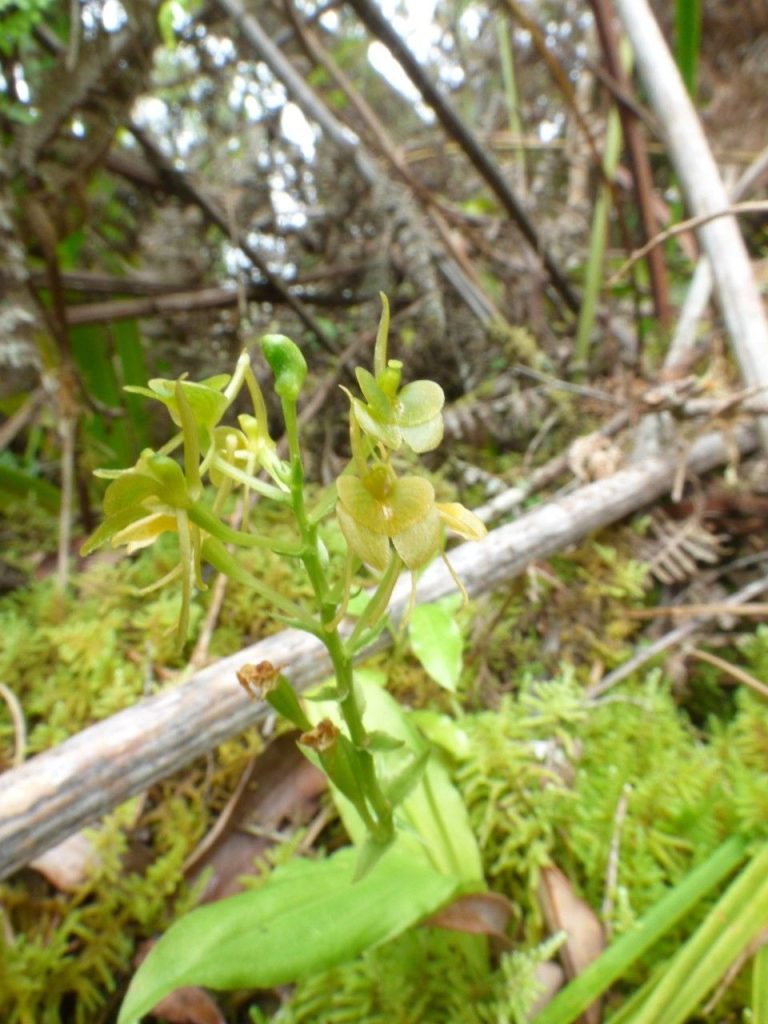
Liparis flavescens, commonly known as the Yellow Twayblade, is a captivating terrestrial orchid prized for its delicate, bright yellow flowers which bloom in late spring and summer. This orchid, though not as widely cultivated as some of its flamboyant relatives, holds a special place among orchid enthusiasts due to its understated elegance and the challenge it presents in cultivation. Its relative rarity in cultivation contributes to its desirability, making successful propagation a significant achievement. Unique aspects of Liparis flavescens relevant to propagation include its fine seeds and its generally slow growth rate, factors which influence the efficacy of different propagation methods.
Seed Germination:
Currently, there are no known reliable methods for seed germination propagation of Liparis flavescens. The seeds of this orchid, like many other orchids, are dust-like and lack endosperm, meaning they require a symbiotic relationship with mycorrhizal fungi for successful germination. Establishing this symbiotic relationship in a controlled environment is exceptionally challenging, even for experienced orchid growers. Further research into the specific fungal associations of Liparis flavescens is necessary to develop effective seed germination protocols.
Cuttings:
Liparis flavescens does not propagate readily through cuttings. This orchid lacks the ability to regenerate from stem or leaf cuttings, unlike some other plant species. Attempting propagation through cuttings is unlikely to be fruitful.
Division:
Division is a potentially viable method for propagating Liparis flavescens, but it presents its own set of challenges. Yellow Twayblades grow slowly and form relatively small clumps. Dividing the plant carries a risk of damaging the delicate rhizomes, resulting in the death of the parent plant or its divisions. However, if done carefully, this method is useful for increasing the number of plants.
Challenges: The careful separation of rhizomes to ensure each division has healthy roots and shoots, minimizing stress and trauma. Slow growth rates mean propagating significant numbers of plants through this method is relatively slow.
Practical Tips: Divisions should ideally be performed during the dormancy period. Sterile tools are imperative to avoid introducing pathogens. Each division should contain a portion of healthy rhizome and several established leaves. Replant into a well-draining, orchid-appropriate medium and maintain high humidity.
Rewards: Division offers a straightforward method for increasing numbers of plants, retaining the genetic characteristics of the parent plant. It avoids the complexities associated with seed germination or tissue culture, making it a relatively accessible approach.
Tissue Culture:
Tissue culture offers the most promising avenue for large-scale propagation of Liparis flavescens, though it also demands specialized knowledge and equipment. It enables the production of numerous plantlets from a small amount of source material, bypassing the challenges of seed germination and division.
Challenges: Establishing a sterile laboratory environment, selecting and preparing appropriate culture media containing nutrients and growth hormones tailored to Liparis flavescens, and ensuring the successful acclimatization of the plantlets to greenhouse conditions after tissue culture. The procedure requires specialized skills and equipment, making it inaccessible to the average home gardener.
Practical Tips: Collaboration with experienced orchid tissue culture laboratories is highly recommended. Research should be done to identify optimal media compositions for this species. Acclimatization is a critical step requiring gradual introduction to environmental changes.
Rewards: Efficient, large-scale propagation of genetically identical plants. This enables conservation efforts and contributes to increased availability for cultivation.
Conclusion:
Propagating Liparis flavescens presents a unique set of challenges, with division being the most readily available choice for the average enthusiast, despite its inherent limitations. Seed germination remains elusive, and while tissue culture offers the most promising large-scale approach, it is inaccessible to most. The slow growth and delicate nature of this orchid demand patience and meticulous attention. However, the rewarding experience of successfully cultivating and propagating this elegant terrestrial orchid from a tiny division, or overcoming the hurdles of tissue culture, more than compensates for the effort involved. Aspiring propagators should approach the endeavor with patience, detailed research, and a preparedness for setbacks, celebrating every small success along the way. The ultimate reward is the satisfaction of contributing to the conservation and wider appreciation of this charming species.