
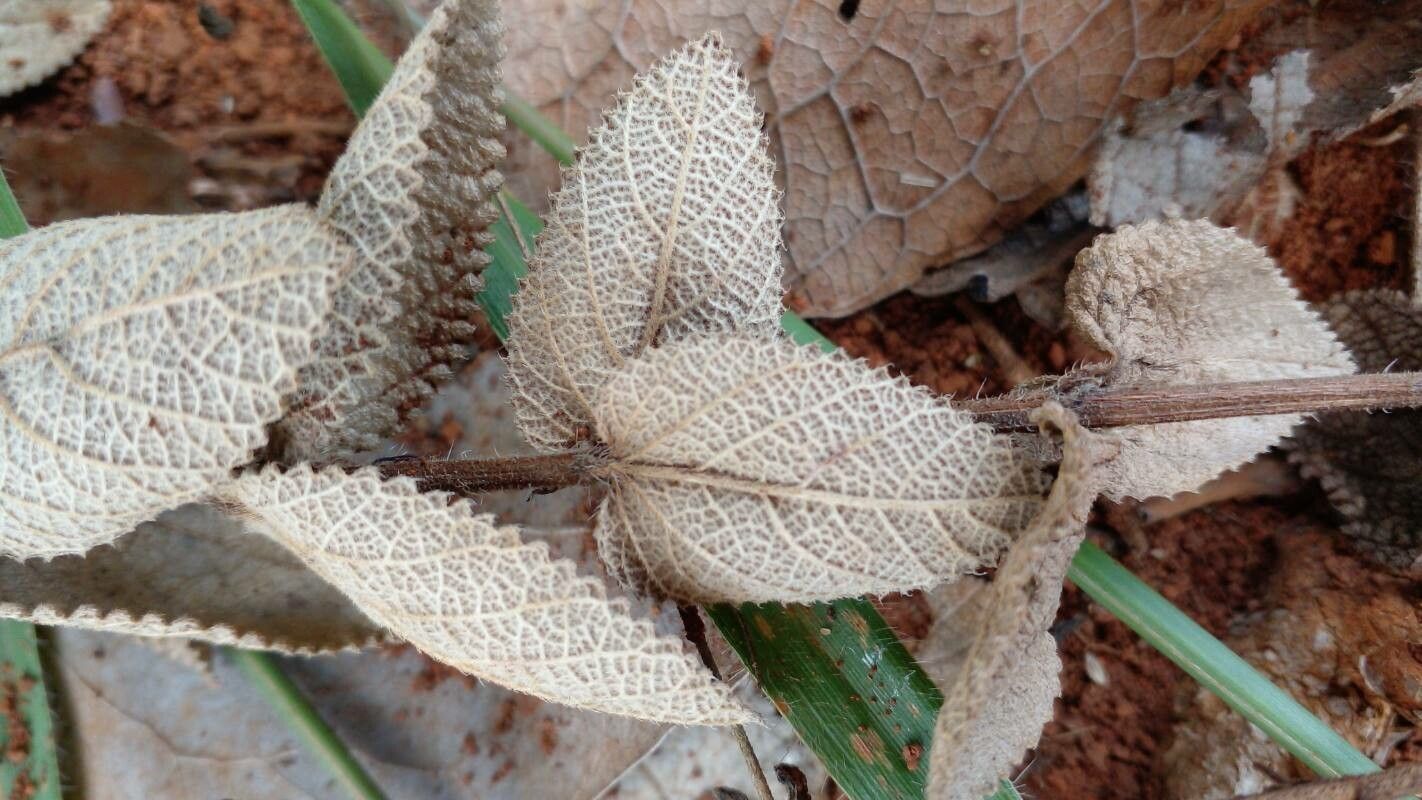
Unlocking the Secrets of Lippia Lacunosa Propagation: A DIY Guide to Multiplying Your Fragrant Groundcover
Lippia lacunosa, also known as Frog Fruit or Wrinkled Fogfruit, is a versatile and resilient groundcover cherished for its delicate white flowers and enchanting, citrusy aroma. This low-maintenance plant is not only a treat for the senses but also beneficial for pollinators like bees and butterflies. If you’re eager to expand your Lippia lacunosa carpet or share its charm with fellow plant enthusiasts, propagation is a rewarding endeavor. This guide will delve into the two most effective methods for multiplying your Lippia lacunosa:
1. Cuttings: A Shortcut to Success
Propagation from cuttings is the most popular and efficient way to create new Lippia lacunosa plants. This method involves snipping a healthy stem segment and encouraging it to develop roots, effectively cloning the parent plant. Here’s how to do it:
Step 1: Timing is Key: The ideal time to take cuttings is during the plant’s active growing season, typically spring or early summer.
Step 2: Select a Healthy Stem: Look for a vigorous, non-flowering stem that is at least 3-4 inches long. Using clean, sharp pruning shears, cut just below a leaf node (the point where leaves emerge).
Step 3: Prepare the Cutting: Remove the lower leaves from the cutting, leaving only 2-3 leaves at the top. If the remaining leaves are large, trim them in half horizontally to minimize water loss.
Step 4: Encourage Root Development: Dip the cut end of the stem in rooting hormone powder (optional, but recommended for faster rooting). Gently tap off any excess.
Step 5: Plant the Cutting: Fill a small pot with well-draining potting mix. Make a small hole in the center and insert the prepared cutting, burying the leaf nodes. Gently firm the soil around the base.
Step 6: Provide a Humid Environment: Cover the pot with a clear plastic bag or a humidity dome to trap moisture and promote root development. Place the pot in a well-lit area but out of direct sunlight.
Step 7: Patience is a Virtue: Keep the soil consistently moist but not soggy. In a few weeks, roots should start to develop, and you’ll notice new growth at the top of the cutting. Once new growth appears, you can gradually acclimate the plant to normal humidity levels.
2. Seeds: A Test of Patience
While slightly less common, propagating Lippia lacunosa from seeds is also possible. This method allows for greater genetic diversity but requires more patience and a bit more luck. Here’s what to do:
Step 1: Collect Mature Seeds: After the flowers fade, Lippia lacunosa produces tiny, brown seeds. Wait for the seed pods to dry completely on the plant before collecting them.
Step 2: Sow the Seeds: Fill a seed tray or small pots with a well-draining seed starting mix. Sprinkle the seeds evenly over the surface, and lightly press them into the soil.
Step 3: Provide Light and Warmth: Lippia lacunosa seeds need light to germinate. Place the seed tray in a bright location, but avoid direct sunlight. Maintain a warm temperature of around 70-75°F (21-24°C).
Step 4: Water Consistently: Keep the soil consistently moist with a spray bottle to avoid disturbing the tiny seeds.
Step 5: Be Patient: Germination can be erratic and may take a few weeks or even longer.
Step 6: Thinning Out: Once the seedlings have developed a few sets of true leaves, thin them out to provide adequate spacing for growth.
Whether you choose the quick route of cuttings or the gratification of starting from seeds, propagating Lippia lacunosa is an achievable goal for any gardening enthusiast. With a little effort and patience, you’ll soon be enjoying the benefits and beauty of this remarkable groundcover throughout your garden.