
Propagating the Oriental Sweetgum: A Gardener’s Guide to Liquidambar orientalis
Introduction:
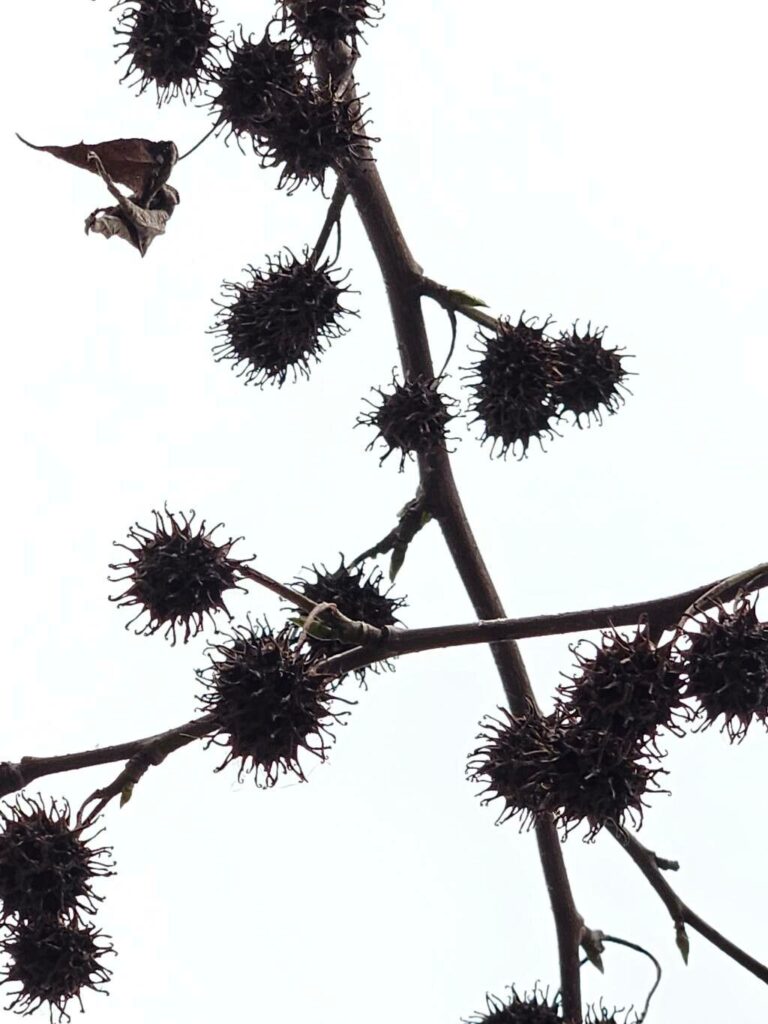
Liquidambar orientalis, commonly known as the Oriental Sweetgum or Oriental Liquidambar, is a captivating deciduous tree prized for its star-shaped leaves that blaze with vibrant autumn colors ranging from yellow and orange to crimson and scarlet. Its distinctive fragrant gum and attractive, spiky fruit further enhance its horticultural appeal, making it a popular choice for landscapes and gardens across suitable climates. While relatively easy to establish once planted, propagating Liquidambar orientalis presents unique challenges, demanding patience and a nuanced approach. This article explores various propagation methods, highlighting their viability and practical application.
Seed Germination:
Seed germination is a viable, albeit challenging, method for propagating Liquidambar orientalis. The primary hurdle lies in overcoming seed dormancy. Freshly harvested seeds require a period of stratification – a cold, moist treatment mimicking winter conditions – to break dormancy.
Challenges: Inconsistent germination rates are common, and the process can take several months. Seed viability also decreases significantly over time.
Practical Tips: Collect seeds in autumn after they mature and have fully dried on the tree. Clean the seeds and sow them immediately in a well-draining seed-starting mix. Stratify the seeds by placing them in a moist medium (e.g., peat moss and vermiculite) in a refrigerator at approximately 4°C (39°F) for 60-90 days. After stratification, sow seeds at a depth of about twice their diameter, keeping the soil consistently moist but not waterlogged. Germination usually occurs in spring.
Rewards: Seed propagation offers the opportunity to generate significant genetic diversity within a population, particularly valuable for breeding programs and for larger-scale propagation.
Cuttings:
Propagating Liquidambar orientalis from cuttings is generally considered to be less successful than other vegetative means.
Challenges: Hardwood cuttings have a low rooting success rate. Softwood cuttings are even less reliable.
Practical Tips: While some success may be possible with semi-hardwood cuttings taken in late summer, employing rooting hormones and maintaining high humidity are crucial. Even with optimal conditions, success remains limited.
Rewards: If successful, cuttings offer a quicker way to generate genetically identical plants compared to seed propagation. However, this method is not consistently reliable for Liquidambar orientalis.
Division:
Division is not a practical method for propagating Liquidambar orientalis. This tree develops a substantial taproot system making division exceedingly difficult and damaging to the plant.
Tissue Culture:
Tissue culture offers the potential for rapid and large-scale propagation of Liquidambar orientalis. However, this method requires specialized equipment, sterile techniques, and expertise in plant tissue culture.
Challenges: Setting up a tissue culture laboratory is costly, and the process requires specialized knowledge and aseptic techniques.
Practical Tips: Sterilization of explants, use of appropriate growth media, and precise control of environmental conditions are critical for success.
Rewards: Tissue culture allows for the rapid cloning of superior genotypes, disease-free plantlets, and the preservation of genetic material.
Conclusion:
Propagating Liquidambar orientalis presents a unique set of challenges, with seed germination offering the greatest potential for large-scale propagation, despite inconsistent germination rates and the need for stratification. Cuttings are generally unreliable, and division is impractical. Tissue culture provides a powerful but resource-intensive alternative. The satisfaction derived from successfully propagating this beautiful tree, however, is well worth the effort. The patience required to nurture a seedling from seed, or the meticulous care needed for successful cuttings, adds a profound connection to the growing process. For aspiring propagators, starting with seed, while potentially time-consuming, offers the greatest chance of success and the reward of contributing to the genetic diversity of this remarkable tree. Remember that careful selection of healthy parent plants is critical, irrespective of the chosen method.