
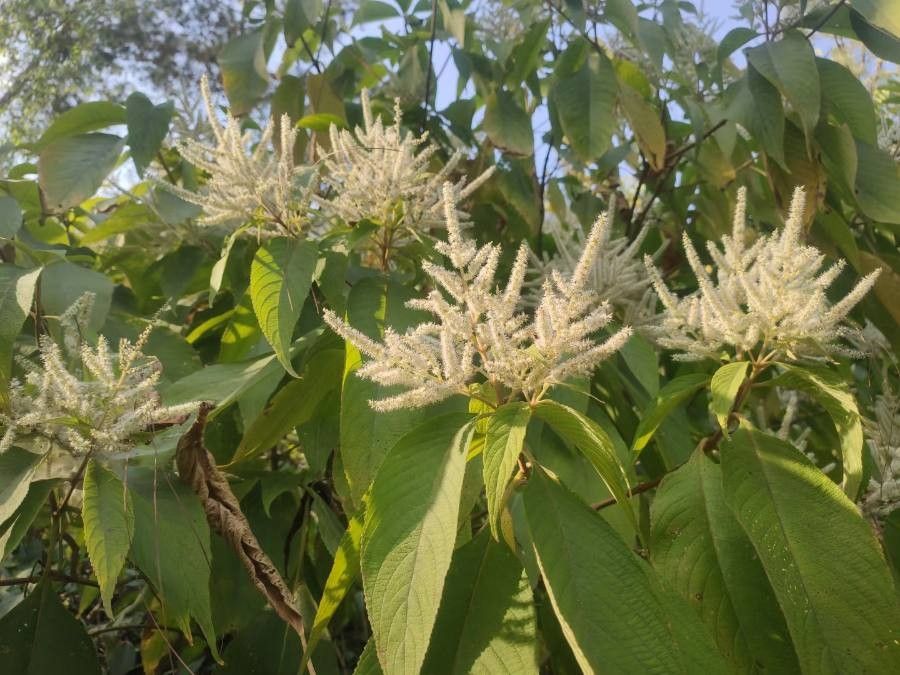
Propagating Lithocarpus glaber: A Gardener’s Guide to the Smooth Chinquapin
Lithocarpus glaber, commonly known as the smooth chinquapin, is an increasingly popular ornamental tree prized for its attractive, glossy foliage, elegant form, and tolerance of various soil types. Its adaptability and striking appearance make it a desirable addition to gardens and landscapes, stimulating interest in its propagation. However, propagating Lithocarpus glaber presents unique challenges, requiring patience and a thorough understanding of different techniques.
Seed Germination:
Currently, there are no known reliable methods for seed germination propagation of Lithocarpus glaber. While the species produces acorns, their germination rate is notoriously low, and successful germination under controlled conditions has not been consistently replicated. Further research into specific stratification techniques and germination media is needed to determine the viability of this method.
Cuttings:
Propagating Lithocarpus glaber from cuttings presents a moderate challenge. The success rate is relatively low compared to other readily propagated plants.
- Challenges: Lithocarpus glaber cuttings are prone to fungal infections and have a slow rooting rate. The hardiness of the wood makes it difficult for rooting hormones to penetrate effectively.
- Practical Tips: Semi-hardwood cuttings taken in late summer or early autumn offer the best chance of success. Use a rooting hormone with a high auxin concentration and a well-draining propagation mix. Maintain high humidity using a humidity dome or misting system. Bottom heat can improve rooting success.
- Rewards: Successful propagation from cuttings allows for the precise replication of desirable traits from a parent plant. However, it is a labor-intensive method, best suited for small-scale propagation.
Division:
Division is not a viable propagation method for Lithocarpus glaber. This tree has a deep taproot system making it impossible to successfully divide into smaller, independent plants.
Tissue Culture:
Tissue culture offers a potential, albeit complex and specialized, method for propagating Lithocarpus glaber.
- Challenges: Establishing sterile culture conditions and finding suitable growth media for this species require specific expertise and equipment. Sterilization and contamination control are crucial for success. The process is also time-consuming and costly.
- Practical Tips: Consult specialized research papers or experienced tissue culture laboratories for species-specific protocols. Using established protocols from related species within the Fagaceae family may offer a starting point. Strict aseptic techniques are paramount.
- Rewards: Tissue culture allows for rapid and large-scale propagation, enabling the production of many genetically identical plants from a single sample. This is particularly valuable for preserving rare cultivars or economically important traits.
Conclusion:
Propagating Lithocarpus glaber presents a significant challenge for both amateur and professional growers. While seed germination currently appears unfeasible, cuttings offer a moderate possibility of success with diligent effort and specialized techniques, while tissue culture presents a more advanced but potentially high-yield option. The rewards of successfully propagating this beautiful tree, however, are substantial. The satisfaction of nurturing a seedling from a cutting, or witnessing the growth of a plant propagated through tissue culture, far outweighs the effort involved. For aspiring propagators, starting with cuttings, utilizing all the recommended best practices, and perhaps seeking guidance from experienced horticulturalists, offers the most realistic path to success. Remember patience and persistence are key to unlocking the secrets of successfully cultivating this unique and rewarding plant.