
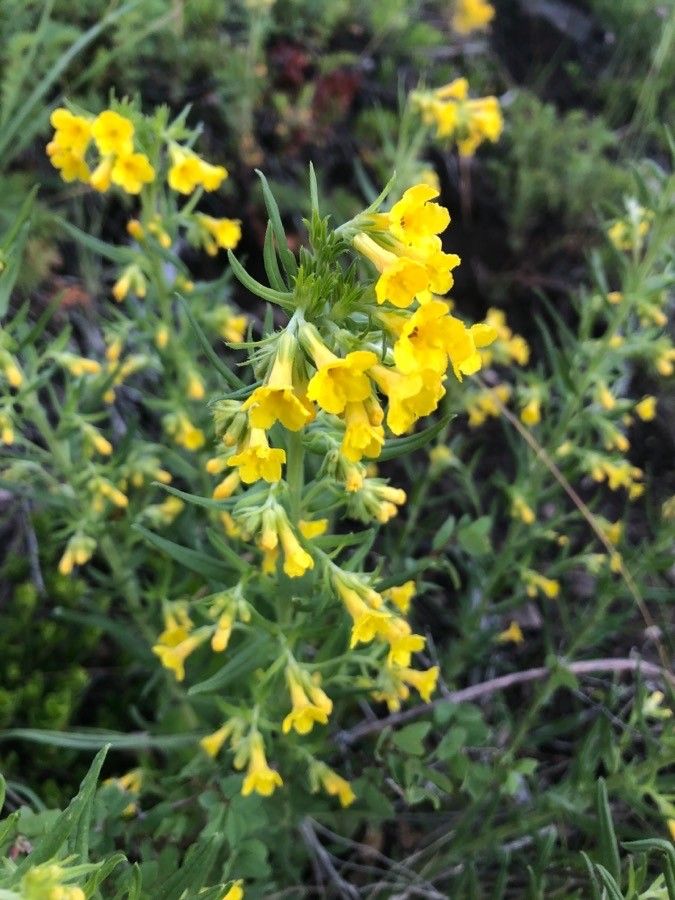
The Hidden Secret of the Gromwell: Propagating Lithospermum Multiflorum
The delightful, vibrant blooms of Lithospermum multiflorum, better known as the Gromwell, add a splash of color and charm to any garden. But beyond its ornamental appeal lies a fascinating secret: the ease with which this flower can be propagated. If you’re looking to expand your garden or share the joy of the Gromwell with others, learning the art of propagation is a valuable skill to master.
The Beauty of Seed Propagation:
Gromwell readily reproduces through seeds, making this method the most common and reliable way to start new plants. Here’s how to do it:
- Harvesting Seeds: Once the flowers fade, small, round, black seeds nestled within the flower calyx become visible. Gently collect these seeds and place them in a dry, airy place for a few weeks to ensure they’ve fully matured.
- Sowing Seeds: Direct sowing in the garden is the simplest method, especially in regions with mild winters. Gently rake the soil surface, creating shallow furrows about ¼ inch deep, and drop seeds into the furrows, spacing them about 6-8 inches apart. Cover the seeds with soil and gently water. While direct sowing is favored for a natural look, starting seeds indoors in trays or pots filled with seed-starting mix allows for more control over the environment and provides a head start in colder climates.
- Germination: Keep the soil consistently moist and expect germination within two to three weeks, although it can take up to a month depending on conditions.
- Transplanting: Once seedlings have developed a few sets of true leaves, you can transplant them to their final location.
Beyond Seeds: Exploring Cuttings
For those looking for a quicker way to enjoy Gromwell blooms, propagation via cuttings is an option.
- Cuttings: Take cuttings from healthy, new growth in spring or summer by using sharp, sterile tools. The ideal cutting should be around 4-6 inches long and contain at least two sets of leaves.
- Preparing Cuttings: Remove the lower leaves and dip the cut end into rooting hormone, which helps stimulate root growth.
- Rooting: Plant the cuttings in a well-draining potting mix and keep the environment moist, either by placing a plastic dome over the pot or by regularly misting the cuttings.
- Root Development: Rooting can take a few weeks, but with careful monitoring and good conditions, you’ll soon see new growth indicating success.
Important Considerations:
- Lighting: Both seeds and cuttings require adequate sunlight to thrive. Choose a sunny spot for your seeds or cuttings.
- Watering: Gromwell prefers well-drained soil and can tolerate periods of dryness. However, avoid overwatering, as this can lead to root rot.
- Temperature: Gromwell thrives in temperatures between 65-85°F.
- Patience: Propagation, like any horticultural endeavor, requires patience. Be diligent in caring for your seeds or cuttings, and enjoy the rewards of your efforts when your new Gromwell plants flourish.
The Gromwell’s Legacy:
By taking the time to propagate your own Gromwell plants, you not only expand your garden but become a steward of this beautiful flower. Share your propagated plants with friends and family, spreading the joy of the Gromwell’s vibrant blooms and adding a touch of wonder to your community’s gardens.