
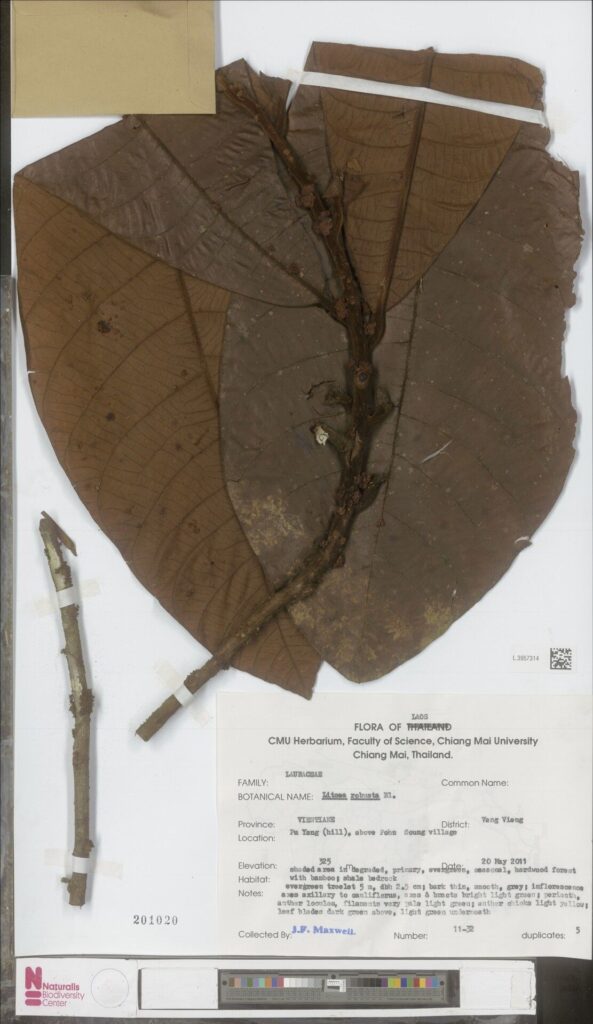
From One to Many: The Delightful Art of Propagating Litsea Robusta
Litsea robusta, also known as the “Mountain Pepper” or “Bay Laurel” of the Philippines, is a captivating tree prized for its aromatic leaves and handsome foliage. But beyond its aesthetic appeal lies a delightful secret: Litsea robusta is remarkably easy to propagate! Whether you’re looking to share the beauty of this tree with others or simply expand your own garden, this guide will demystify the art of propagation and guide you through the process.
Methods for Success:
There are two primary methods for propagating Litsea robusta:
1. Stem Cuttings: This is the most common and user-friendly method. The best time for taking cuttings is during the spring or early summer when the plant is actively growing.
- Choosing the Right Cuttings: Select healthy, mature stems with at least 4-6 nodes. Cuttings should be 6-8 inches long.
- Preparing the Cuttings: Use sharp, sterilized pruning shears to cut the stems at a 45-degree angle just below a node. Remove the leaves from the bottom 2-3 nodes.
- Rooting Hormones (Optional): Applying a rooting hormone powder or gel to the cut end can promote root growth.
- Planting Medium: Use a well-draining mix like a peat moss-perlite blend or a seed-starting mix.
- Planting and Rooting: Pot the cuttings in individual pots, ensuring the cut end is buried in the soil. Keep the soil moist but not waterlogged. Cover the pots with a plastic dome or a clear plastic bag to create a humid environment.
- Patience is Key: It can take several weeks to a few months for cuttings to root. Be patient and monitor the soil moisture.
2. Air Layering: This method encourages roots to form on a branch while it is still attached to the parent plant. It is a bit more involved but can guarantee success.
- Preparing the Branch: Select a healthy, mature branch about 1/2 to 1 inch in diameter.
- Scoring and Wrapping: Make a ring of cuts around the branch, removing a portion of the bark. Apply a rooting hormone powder or gel to the wounded area. Wrap the wound with moist sphagnum moss, held in place by plastic wrap or aluminum foil.
- Patience is Key: Keep the moss moist and allow the roots to develop, which typically takes several months. Once good roots have formed (usually indicated by a bulge in the wrapped area), you can cut the branch below the root ball and pot it up as a new plant.
Aftercare:
- Watering: Keep the cuttings and air-layered plants well-hydrated but avoid overwatering. Allow the top layer of soil to dry slightly between waterings.
- Sunlight: Provide plenty of indirect sunlight for your new plants.
- Fertilization: Once the new plants are established, you can fertilize them with a balanced liquid fertilizer diluted to half strength.
Enjoying Your New Litsea Robusta Plants:
With a little patience and care, you’ll be rewarded with a thriving collection of Litsea robusta. You can plant your new plants in your garden, share them with friends and family, or even use them to create breathtaking indoor displays. The beauty of Litsea robusta is only enhanced by the joy of seeing it flourish from one small cutting into a vibrant, aromatic tree.