
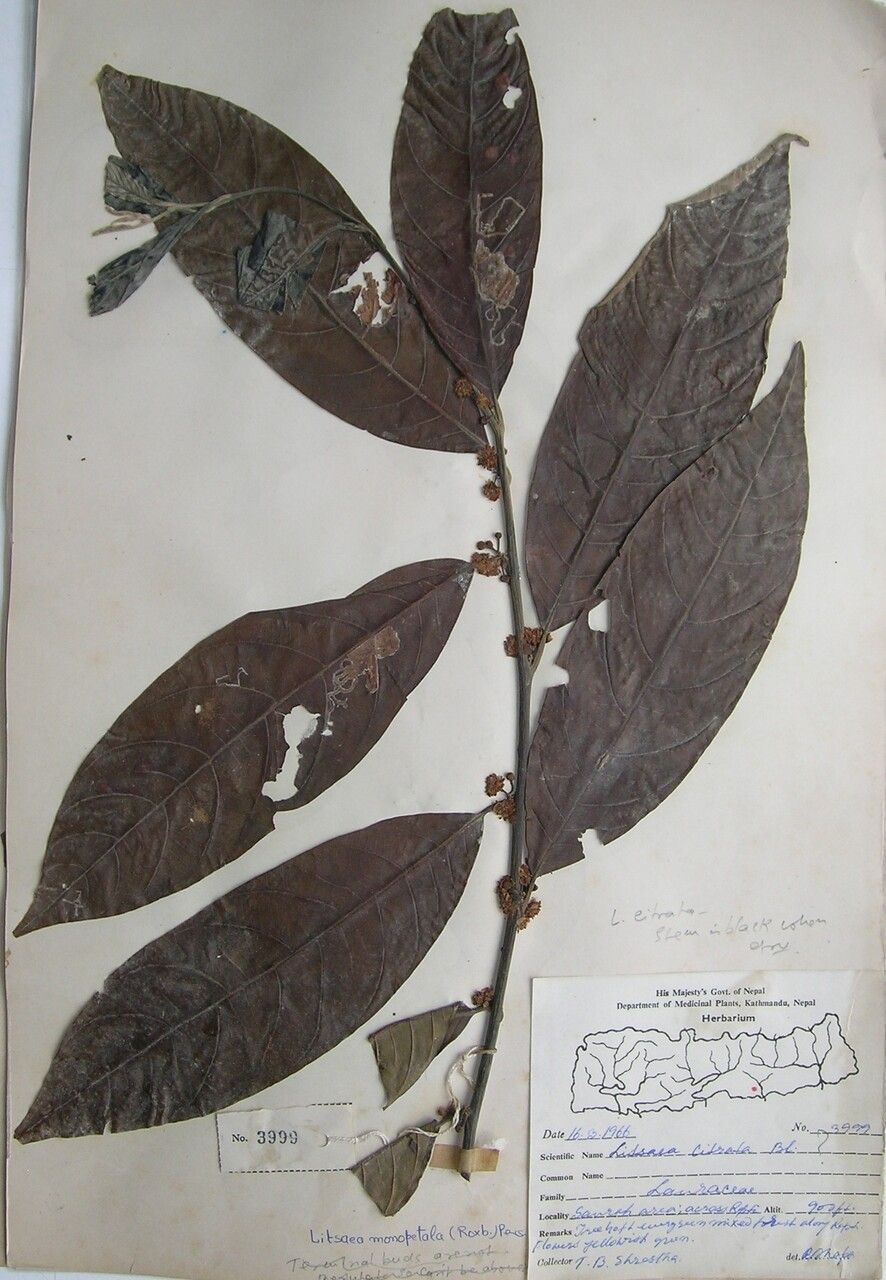
Propagating Litsea salicifolia: A Gardener’s Guide to the "Scrub Laurel"
Litsea salicifolia, commonly known as Scrub Laurel, is a captivating Australian native shrub appreciated for its aromatic foliage, attractive flowers, and contribution to wildlife habitat. Its dense, glossy leaves offer a striking visual appeal, while its small, creamy flowers attract pollinators. This makes it a highly desirable plant for gardeners seeking to incorporate native species into their landscaping or those interested in attracting beneficial insects. However, propagating Scrub Laurel can present some unique challenges, making successful cultivation all the more rewarding.
Seed Germination:
Currently, there are no known reliable methods for seed germination propagation of Litsea salicifolia. While seeds may be produced, their germination rate is notoriously low, and consistent success has not been documented. Further research into specific pre-treatment techniques might unlock this potential, but for now, relying on seed germination is not a practical method for propagating this species.
Cuttings:
Cuttings offer a more reliable method for propagating Litsea salicifolia.
- Challenges: Scrub Laurel cuttings can be slow to root, and success depends heavily on timing and technique. Using semi-hardwood cuttings taken in late spring or early summer tends to yield better results.
- Practical Tips: Take cuttings of about 10-15cm in length, ensuring at least two nodes are included. Remove lower leaves to prevent rotting. Dip the cut ends in a rooting hormone powder before planting in a well-draining propagation mix (e.g., a blend of perlite and vermiculite). Maintain high humidity using a cloche or plastic bag, and ensure consistent moisture without overwatering. Bottom heat can significantly improve rooting rates.
- Rewards: Cuttings provide genetically identical plants to the mother plant, preserving desirable traits. This method is suitable for smaller-scale propagation and for maintaining specific cultivars.
Division:
Division is not typically a viable propagation method for Litsea salicifolia due to its shrubby, not clump-forming, nature. Its root system does not readily lend itself to separation and successful re-establishment.
Tissue Culture:
Tissue culture offers a possibility for large-scale, controlled propagation of Litsea salicifolia.
- Challenges: Establishing a successful tissue culture protocol requires specialized knowledge, equipment, and a sterile environment. Developing a suitable media and identifying effective plant growth regulators is crucial for initiating and maintaining healthy callus and shoot development.
- Practical Tips: This method is best left to experienced tissue culture laboratories. They can optimize the process for maximum efficiency and reduce the risk of contamination.
- Rewards: Tissue culture allows for the mass production of genetically identical plants, enabling large-scale propagation for commercial or conservation purposes. It offers the potential to rapidly multiply rare or desirable cultivars.
Conclusion:
Propagating Litsea salicifolia presents challenges across various methods. While seed germination proves unreliable at present, cuttings provide a feasible approach for smaller-scale propagation, requiring patience and attention to detail. Tissue culture emerges as a promising but resource-intensive approach for larger-scale operations. The unique satisfaction of cultivating this attractive native shrub comes from the knowledge that, despite the hurdles, your dedication has resulted in a successful propagation. For the average gardener, mastering the art of taking and rooting cuttings offers a fulfilling path to expanding their Litsea salicifolia collection. Don’t let the challenges deter you; the beauty and ecological value of this plant make the effort well worthwhile.