
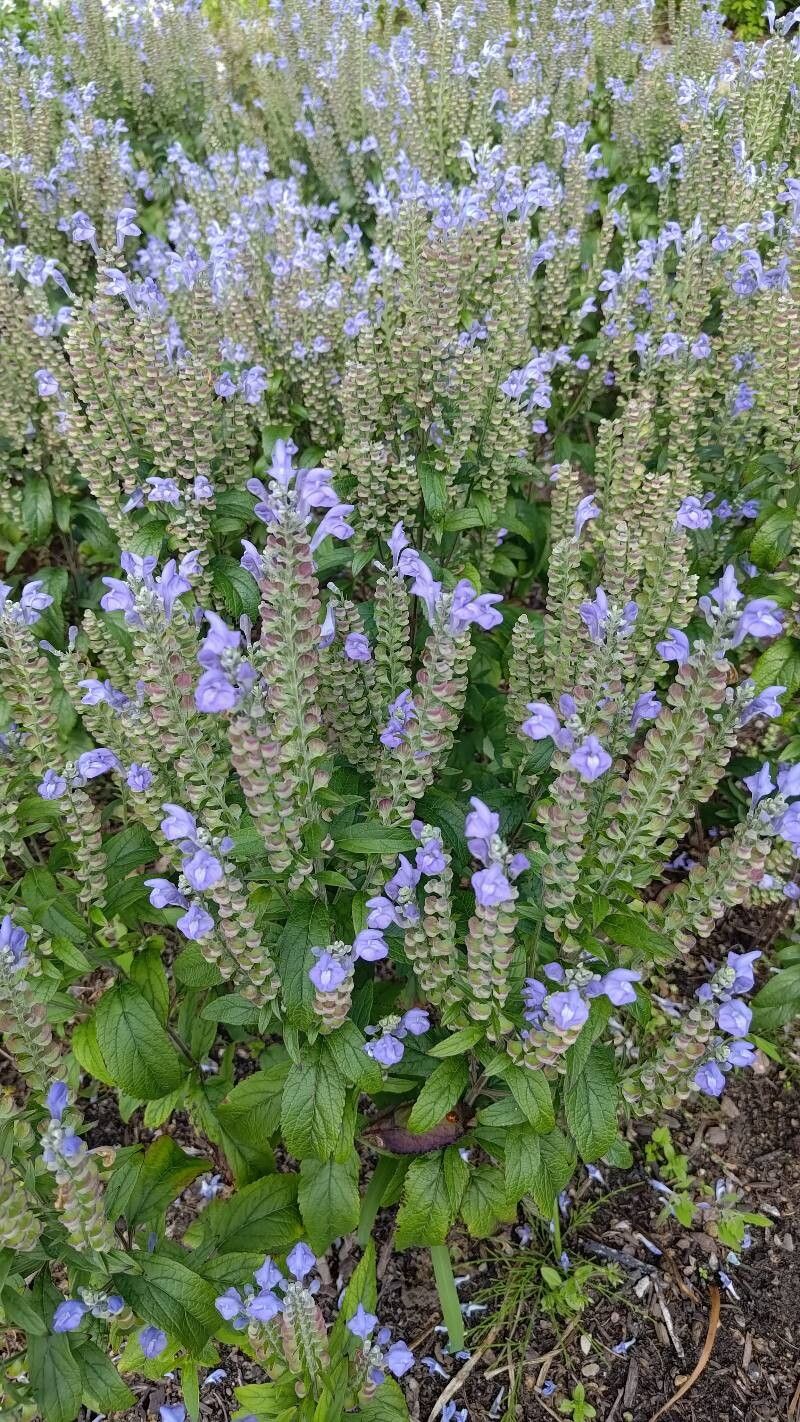
Propagating Scutellaria incana: A Gardener’s Guide to the Ashy Skullcap
Scutellaria incana, commonly known as Ashy Skullcap, is a captivating perennial herb prized for its silvery-grey foliage and charming, vibrant blue flowers. Its drought-tolerance and attractive appearance make it a popular choice among gardeners seeking low-maintenance, yet visually stunning additions to rock gardens, borders, or xeriscapes. However, propagating this desirable plant can present certain challenges, demanding patience and a nuanced understanding of its propagation methods. This article explores the various techniques available, outlining their pros and cons, and providing practical advice for success.
Seed Germination:
Currently, there are no known reliable methods for seed germination propagation of Scutellaria incana. While seeds may be produced, germination rates are notoriously low and unpredictable. Factors such as seed dormancy and specific environmental requirements remain largely uncharacterized, rendering seed propagation an impractical method for most gardeners.
Cuttings:
Cuttings offer a more reliable method for propagating Scutellaria incana.
Challenges: Rooting can be slow and inconsistent. The success rate depends heavily on the timing (ideally, semi-hardwood cuttings taken in late spring/early summer), the use of rooting hormone, and maintaining consistently humid conditions.
Practical Tips: Take 4-6 inch cuttings from non-flowering stems, removing the lower leaves. Dip the cut ends in rooting hormone and plant them in a well-draining propagating mix (e.g., perlite and peat moss). Maintain high humidity using a humidity dome or plastic bag, and ensure adequate indirect light. Mist regularly to prevent desiccation.
Rewards: Cuttings provide a relatively fast way to increase the number of plants, maintaining the exact genetic characteristics of the parent plant. This is particularly advantageous if you have a uniquely desirable cultivar.
Division:
Division is a practical and effective method for propagating established Ashy Skullcap plants.
Challenges: Division is best suited for mature plants with well-developed root systems. Care must be taken to avoid damaging the roots, which can hinder the establishment of the newly divided plants.
Practical Tips: Divide the plant in early spring or late fall, carefully separating the root clumps with a sharp, clean knife or spade. Ensure each division has adequate roots and foliage. Replant the divisions immediately in well-drained soil and water thoroughly.
Rewards: Division allows for rapid increase of plant numbers, ensuring the genetic integrity of the parent plant. It’s a relatively simple technique compared to cuttings or tissue culture.
Tissue Culture:
Tissue culture offers the potential for large-scale propagation of Scutellaria incana, overcoming limitations associated with other methods.
Challenges: This method requires specialized equipment, a sterile environment, and technical expertise, making it unsuitable for most home gardeners. Establishing optimal culture conditions can require extensive experimentation.
Practical Tips: Consult experienced tissue culturists or laboratories for specific protocols. Proper sterilization techniques are crucial to prevent contamination.
Rewards: Tissue culture offers the possibility of mass propagation, producing numerous genetically identical plants. It is also useful for rescuing rare or endangered varieties.
Conclusion:
Propagating Scutellaria incana presents unique challenges across various methods. Seed germination is currently impractical, while cuttings and division offer more reliable means for the home gardener, each with its own advantages and drawbacks. Tissue culture, although highly efficient, requires specialized expertise and resources. The rewards, however, are well worth the effort. The satisfaction of successfully nurturing these unique plants from cuttings or divisions, overcoming the hurdles of propagation, adds a special dimension to gardening. Start with cuttings or division, focusing on providing optimal conditions for rooting and establishment. For aspiring propagators, patience and persistence are key – the beautiful silvery foliage and striking blue flowers of the Ashy Skullcap are a testament to the fulfilling journey of plant propagation.