
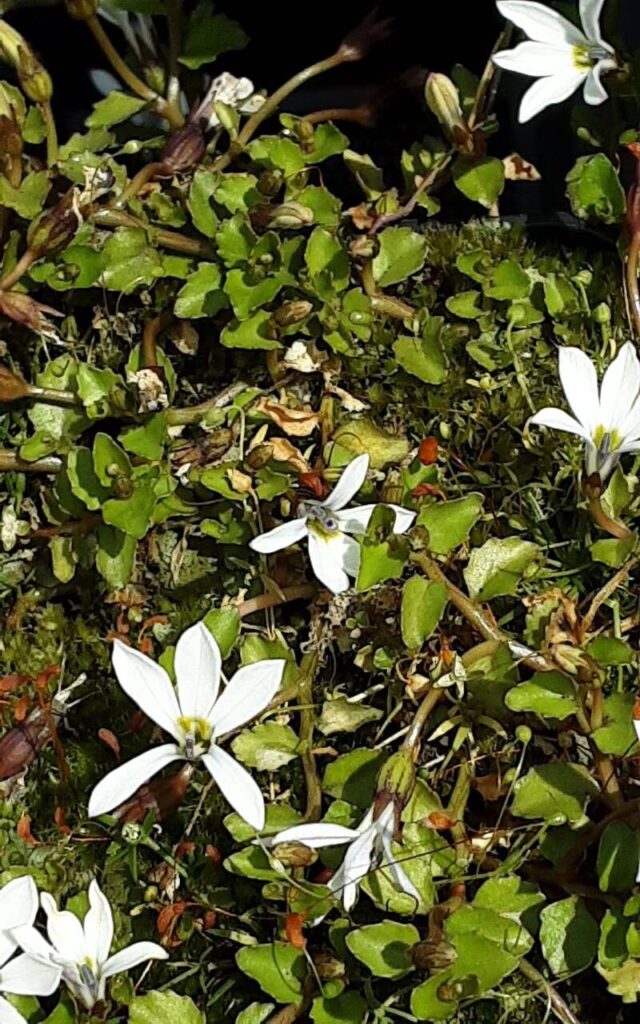
Unveiling the Secrets of Lobelia angulata Propagation: From Tiny Seeds to Thriving Blooms
Lobelia angulata, with its delicate trailing stems and vibrant blue, purple, or white flowers, is a delightful addition to any garden. This charming, low-growing plant thrives in moist environments and brings a touch of wild beauty to borders, hanging baskets, and even bog gardens. While readily available in nurseries, propagating your own Lobelia angulata is a rewarding experience that grants you a continuous supply of this charming species.
Let’s delve into the two primary methods for propagating Lobelia angulata:
1. Seed Starting: A Journey from Dust-Like Seeds to Miniature Plants
Lobelia angulata produces an abundance of tiny, dust-like seeds. Though small, these seeds hold the promise of new life and offer a cost-effective way to grow a large number of plants.
- Timing is Key: Start seeds indoors 6-8 weeks before the last expected frost in your region. Lobelia angulata prefers cooler temperatures for germination.
- Light is Essential: Lobelia seeds require light to germinate. Sprinkle the seeds on the surface of a moist seed-starting mix and gently press them in, but avoid burying them.
- Warmth and Moisture: Maintain a temperature of 70-75°F (21-24°C) and keep the seed-starting mix consistently moist but not waterlogged.
- Transplanting with Care: Once the seedlings develop two sets of true leaves, carefully transplant them into individual pots or outdoors after the risk of frost has passed. Space them 6-12 inches apart.
2. Cuttings: Cloning Your Favorite Lobelia Plants
For a quicker and more controlled propagation method, take cuttings from established Lobelia angulata plants.
- Select Healthy Stems: Choose non-flowering stems that are about 3-4 inches long and exhibit vigorous growth.
- Prepare the Cuttings: Make a clean cut just below a leaf node using sharp, sterilized scissors or a knife. Remove the lower leaves, leaving 2-3 pairs at the top.
- Encourage Rooting: Dip the cut end in rooting hormone (optional but recommended) and plant the cuttings in a well-draining potting mix.
- Provide Humidity and Light: Cover the cuttings with a plastic bag or humidity dome to retain moisture. Place them in a bright location, but out of direct sunlight.
- Transplantation Time: After 4-6 weeks, when the cuttings have developed a healthy root system, they can be transplanted into larger pots or outdoors.
Caring for Your New Lobelia Angulata Plants
Whether you choose to propagate through seeds or cuttings, providing your new Lobelia angulata plants with the right care is essential for their success.
- Soil and Sunlight: Lobelia angulata thrives in moist, well-drained soil with a slightly acidic to neutral pH. Choose a location that receives partial shade to full sun, depending on the climate.
- Watering: Consistent moisture is crucial, especially during dry periods. Water deeply but avoid overwatering, which can lead to root rot.
- Fertilizing: Apply a balanced, water-soluble fertilizer every 4-6 weeks during the growing season to support healthy growth and abundant blooms.
- Deadheading: Regular deadheading of spent flowers will encourage continuous blooming throughout the season.
By following these propagation techniques and providing proper care, you can enjoy the enchanting beauty of Lobelia angulata year after year. Whether you’re a seasoned gardener or a curious beginner, propagating this enchanting species is a fulfilling experience that connects you to the wonders of the natural world.