
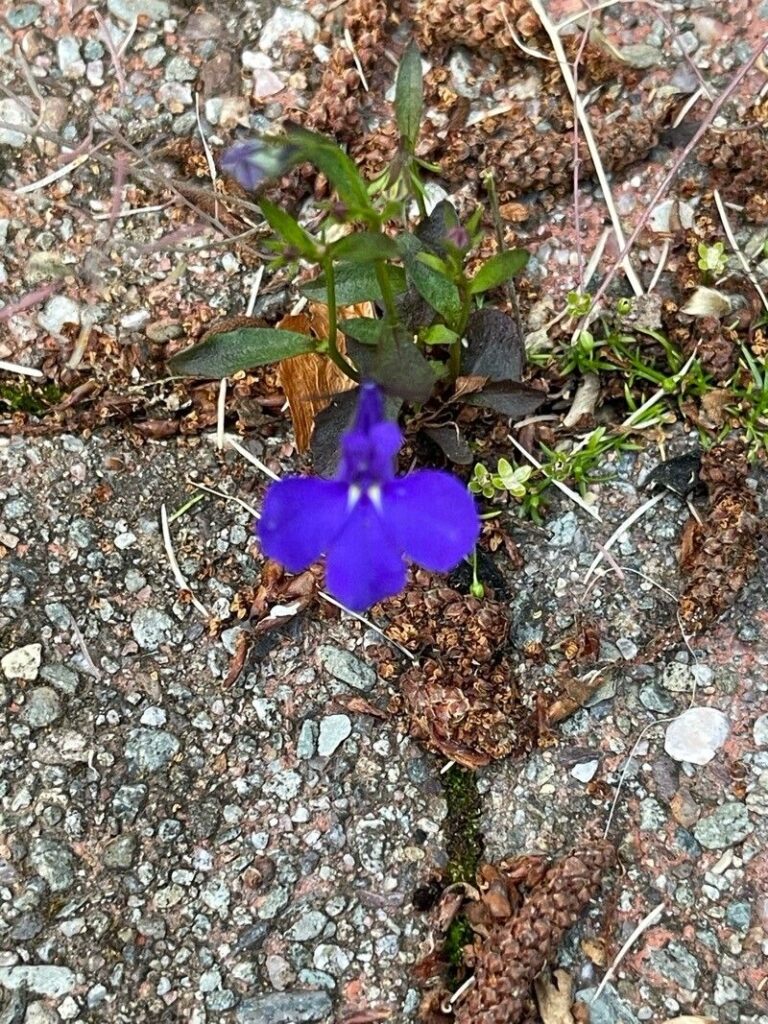
From Snipping to Thriving: Propagating Your Lobelia coronopifolia Like a Pro
Lobelia coronopifolia, with its delicate blue blooms and cascading habit, is a real showstopper in any garden. But did you know that this stunning plant is also incredibly easy to propagate? Whether you’re looking to expand your garden or simply want to share the joy of this beautiful species with friends, propagation is a fantastic way to create new plants without breaking the bank.
Harnessing the Power of Cuttings:
The most common and successful method for propagating Lobelia coronopifolia is through stem cuttings. Here’s a step-by-step guide:
-
Choose the Right Cuttings: Select healthy, non-flowering stems from your existing Lobelia coronopifolia plant. Aim for cuttings that are about 4-6 inches long, with at least two sets of leaves.
-
Prepare the Cuttings: Using a sharp knife or pair of scissors, make a clean cut just below a leaf node (the point where a leaf grows from the stem). Remove the lower leaves from the cutting, leaving the top two or three sets of leaves intact.
-
Promote Rooting: To encourage root development, dip the cut end of the stem in a rooting hormone powder or liquid.
-
Planting the Cuttings: Fill a small pot or seedling tray with a free-draining potting mix. Make a small hole with your finger and gently insert the cutting, ensuring the bottom node is buried in the soil.
-
Provide Ideal Conditions: Place your cuttings in a bright location, but avoid direct sunlight. Maintain a consistently moist environment by misting regularly.
- Patience is Key: Be patient! It may take several weeks for roots to develop. Keep an eye on your cuttings and allow the soil to dry slightly between waterings to prevent root rot.
Tips for Success:
- Timing is crucial: The best time to propagate Lobelia coronopifolia is during the spring or early summer when the plant is actively growing.
- Water wisely: Always allow the potting mix to dry slightly between waterings to prevent root rot.
- Protect from pests: Keep a close eye on your cuttings for any signs of pests or diseases.
- Don’t be afraid to experiment: Try rooting your cuttings in water first. Place the cutting in a glass of water and observe as roots develop. Once the roots are a decent length, you can carefully transfer them to a pot with soil.
Beyond Cuttings:
While cuttings are widely used, Lobelia coronopifolia can also be propagated through seed. However, this method is slightly more challenging. Seeds are small and require precise sowing techniques for germination.
The Rewards of Propagation:
Propagating your Lobelia coronopifolia is not only a rewarding experience, but also a fantastic way to:
- Create new plants for free
- Share the beauty with friends and family
- Expand your own garden with new plants
- Develop your gardening skills
With just a little time and effort, you can successfully propagate your Lobelia coronopifolia and enjoy the beauty of this plant for years to come. So grab those scissors, get your hands dirty, and let the magic of propagation unfold!