
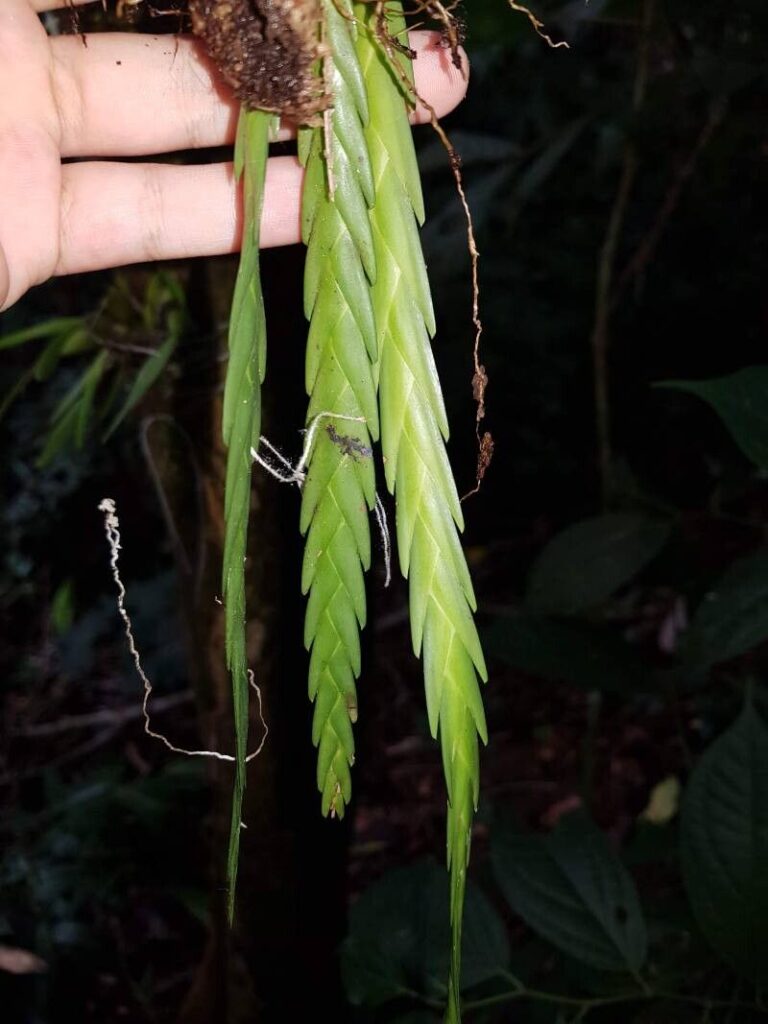
Unlocking the Secrets of Lockhartia Acuta Propagation: A Guide for Orchid Enthusiasts
Lockhartia acuta, with its unique, overlapping leaves resembling a braided rope and delicate, charming flowers, is a true gem among orchids. Native to the rainforests of Central and South America, this epiphytic beauty can seem intimidating to propagate, but fear not! This guide will equip you with the knowledge to successfully expand your Lockhartia acuta collection.
Understanding the Fundamentals
Before diving into the specifics, it’s crucial to understand that Lockhartia acuta, unlike many orchids, doesn’t produce pseudobulbs. This means traditional division methods won’t work. Instead, we rely on two primary propagation techniques:
-
Keiki Division: Keikis are essentially plantlets that sprout from the main stem of a mature orchid. These miniature clones offer the simplest way to propagate Lockhartia acuta.
- Back Bulb Propagation: While Lockhartia acuta lacks pseudobulbs, it produces “back bulbs” – older, leafless sections of the stem. These seemingly dormant sections can be encouraged to sprout new growth.
Keiki Division: Nurturing Nature’s Clones
Spotting a keiki on your Lockhartia acuta is always a delight! To give it the best start, wait until the keiki develops several roots (at least 2-3 inches long) and a few healthy leaves of its own. Here’s how to proceed:
- Sterilize your tools: Use rubbing alcohol or a diluted bleach solution to sterilize your cutting tool (sharp scissors or a sterile blade) to prevent infections.
- Carefully detach: Identify where the keiki attaches to the mother plant and make a clean cut.
- Potting the keiki: Choose a pot with excellent drainage, slightly larger than the keiki’s root system. Use a well-draining orchid mix (bark chips, perlite, and sphagnum moss are good choices). Secure the keiki gently and water it in.
- Provide high humidity: Keikis thrive in high humidity environments. Place a humidity tray nearby or mist regularly.
Back Bulb Propagation: Awakening Dormant Potential
Back bulb propagation requires more patience but can be equally rewarding. Here’s how to coax new life from these seemingly dormant sections:
- Selection is key: Choose a healthy back bulb with some visible nodes (small bumps on the stem).
- Prepare a propagation station: A small, shallow container filled with a moist, sphagnum moss-based mix is ideal.
- Position the back bulb: Lay the back bulb horizontally on the moss, ensuring the nodes are facing upwards and in contact with the medium.
- Provide warmth and humidity: Cover the container with plastic wrap to create a humid, greenhouse-like environment. Place it in a warm, well-lit location, out of direct sunlight.
- Patience is key: It might take several weeks or even months for new growth to emerge.
Nurturing Success
Regardless of the method you choose, successful propagation hinges on providing the right care:
- Light: Bright, indirect light is ideal for Lockhartia acuta.
- Watering: Water thoroughly when the potting mix approaches dryness. Avoid overwatering, which can lead to root rot.
- Humidity: Maintain high humidity levels (50-70%).
- Fertilizer: Use a balanced orchid fertilizer diluted to half strength during the growing season.
Propagating Lockhartia acuta might seem like a delicate dance, but with patience, the right knowledge, and a touch of green thumb magic, you can successfully propagate this stunning orchid and share its beauty for generations to come.