
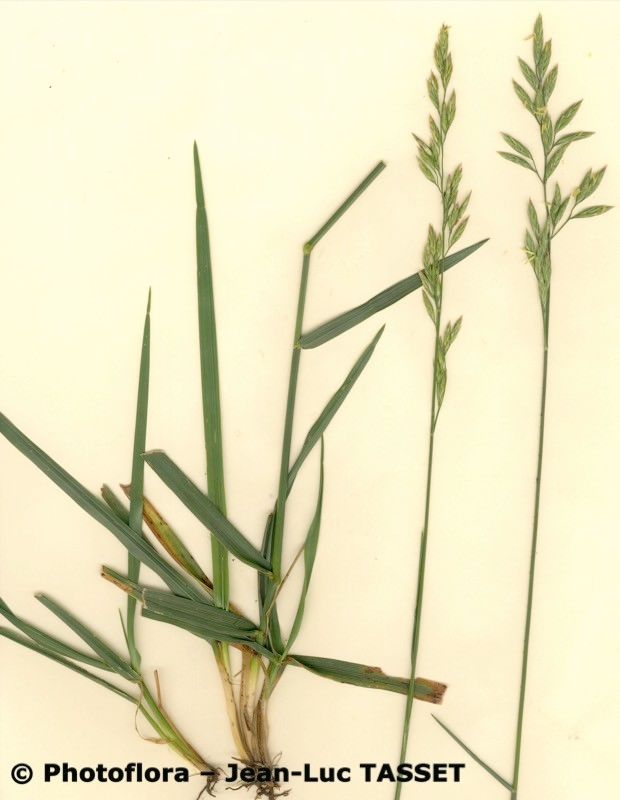
Taming the Wild: Propagating Annual Ryegrass (Lolium multiflorum) at Home
Annual ryegrass, known scientifically as Lolium multiflorum, might sound more at home in a farmer’s field than your backyard. But this fast-growing, vibrant green grass can be a valuable asset to home gardeners, especially for overseeding dormant lawns or providing quick, temporary cover. If you’re ready to harness the power of annual ryegrass, here’s a comprehensive guide to propagating it yourself.
Why Choose Annual Ryegrass?
Before we dive into propagation, let’s understand what makes Lolium multiflorum special. Unlike perennial ryegrass, the annual variety has a shorter lifespan, typically surviving for a single growing season. However, it boasts some impressive qualities:
- Rapid Germination: Seeds sprout quickly, often within a week, making it ideal for quick lawn repairs.
- Vigorous Growth: This grass establishes itself rapidly, offering swift green coverage.
- Cold Tolerance: It can withstand cooler temperatures, making it suitable for fall overseeding in warmer climates or as a winter cover crop.
Propagation Methods: Seeds are Your Best Bet
While some grasses can be propagated through division, Lolium multiflorum is primarily grown from seed. Thankfully, seeds are widely available and relatively inexpensive.
Step-by-Step Seed Propagation Guide:
-
Timing is Key: In warmer climates, sow seeds in early fall for winter growth. Cooler areas may benefit from late summer or early spring sowing.
-
Prepare the Seedbed: Loosen the top 2-3 inches of soil using a rake or garden tiller. Clear away any existing weeds or debris.
-
Sowing the Seeds: For a lush lawn, aim for a seeding rate of around 6-8 pounds per 1000 square feet. Scatter seeds evenly over the prepared area.
-
Light Covering: Lightly rake the soil to cover the seeds with approximately ¼ inch of soil. This helps retain moisture and encourages germination.
-
Water Wisely: Provide consistent moisture, especially during the first few weeks after sowing. Water lightly but frequently to avoid washing away the seeds.
- Fertilize (Optional): While not mandatory, applying a starter fertilizer high in phosphorus can boost early growth. Follow product instructions carefully.
Maintenance and Care:
- Mowing: Once the grass reaches about 3 inches tall, you can start mowing. Keep the blades set high, removing only the top third of the grass height.
- Watering: As the grass matures, reduce watering frequency. Water deeply but less often to encourage deep root development.
- Weed Control: Keep a watchful eye for weeds, especially during the establishment phase. Hand-pulling or using a selective herbicide safe for ryegrass can keep them in check.
Beyond the Backyard:
While this article focuses on home cultivation, it’s important to acknowledge that Lolium multiflorum plays a significant role in agriculture as a forage crop for livestock and as a cover crop to improve soil health.
Conclusion:
Propagating annual ryegrass is a relatively straightforward process that can yield rewarding results. Whether you’re looking to revitalize your lawn, provide a temporary green cover, or simply experiment with a new grass variety, Lolium multiflorum offers a fast-growing, adaptable solution. Follow these propagation tips and enjoy the vibrant green carpet that awaits!