
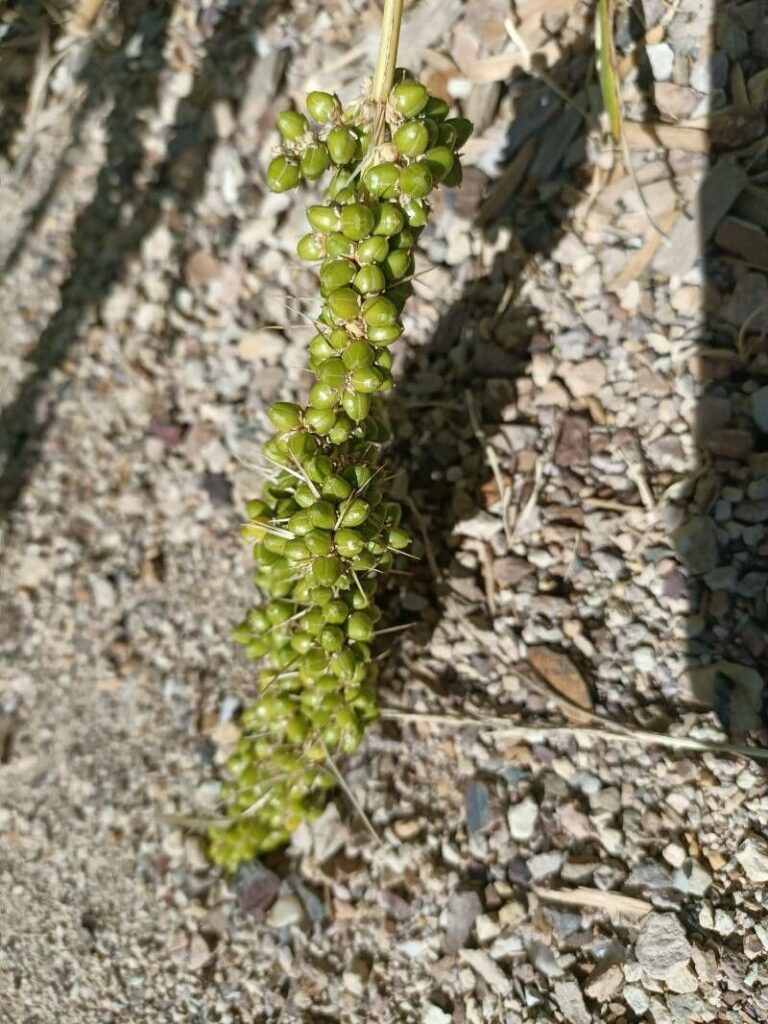
From One to Many: Unlocking the Secrets of Lomandra Longifolia Propagation
Lomandra longifolia, with its elegant, grass-like foliage and hardy nature, has become a popular choice for landscapes across diverse climates. But have you ever thought about multiplying your prized Lomandra plants? Propagation offers a fantastic way to expand your garden or share the beauty with friends. Today, we’ll delve into the fascinating world of Lomandra longifolia propagation, exploring methods that are both effective and rewarding.
Understanding Lomandra Propagation: A Primer
Lomandra longifolia, like many other plants, can be propagated through both sexual and asexual methods. Sexual propagation, involving seeds, is a less common approach for Lomandra. It’s a lengthy process and often results in genetic variation, meaning your new plants might not be identical to the parent.
Asexual Propagation: The Path to Clones
Asexual propagation, on the other hand, focuses on creating genetically identical clones. This is where the magic happens, allowing you to replicate the exact characteristics of your beloved Lomandra longifolia. Two popular techniques shine in this realm:
- Division: This method involves carefully separating clumps of Lomandra longifolia. Look for mature plants with healthy, established root systems. Excavate around the base, exposing the roots, and gently pull the plant apart, aiming to create individual sections with healthy roots and foliage.
- Cuttings: Lomandra longifolia can also be propagated through stem cuttings. Choose non-flowering stems, ideally from healthy, vigorous plants. Cut sections about 4-6 inches long, making sure each cutting has at least one or two nodes (bulges where leaves emerge).
Steps to Success: Crafting Clones
Let’s dive into the specifics of these methods:
Division:
- Timing: Spring is the ideal time to divide Lomandra longifolia. The plant is actively growing, providing the best chance for successful root development.
- Preparation: Dig a trench around the base of the plant, being careful not to damage the roots. Gently loosen the soil and divide the clump, ensuring each division has a healthy root system and foliage.
- Planting: Replant the divisions in well-prepared soil, ensuring adequate drainage. Water them generously, and keep the soil consistently moist until new growth emerges.
Cuttings:
- Preparing the Cuttings: Dip the cut ends of your cuttings in rooting hormone. This promotes root development and boosts your chances of success.
- Planting: Use a well-draining potting mix. Insert the cuttings into the soil, ensuring the nodes are below the soil line.
- Care: Keep the cuttings in a bright, indirect location, maintaining consistent moisture. Cover the pot with a plastic dome or bag to create a humid environment.
- Patience: Root development can take 4-6 weeks. Watch for new growth emerging from the nodes, indicating successful rooting.
Tips for Lomandra Longifolia Propagation Success
- Location: Choose a bright, well-ventilated location for your cuttings or newly divided plants.
- Water Wisely: Avoid overwatering, allowing the soil to dry slightly between waterings to prevent root rot.
- Patience is Key: Lomandra propagation requires patience. Don’t be discouraged if you don’t see immediate results. Continue to provide the right conditions, and success will eventually follow.
Rewarding Results: Expanding Your Green Oasis
By utilizing the techniques of division and cuttings, you can create a world of new Lomandra longifolia plants, spreading their beauty and resilience throughout your garden or sharing them with loved ones. So, why wait? Grab your tools, embrace the process, and unlock the potential of these fascinating plants. You’ll be amazed at the rewarding results and the joy of cultivating your own green oasis!