
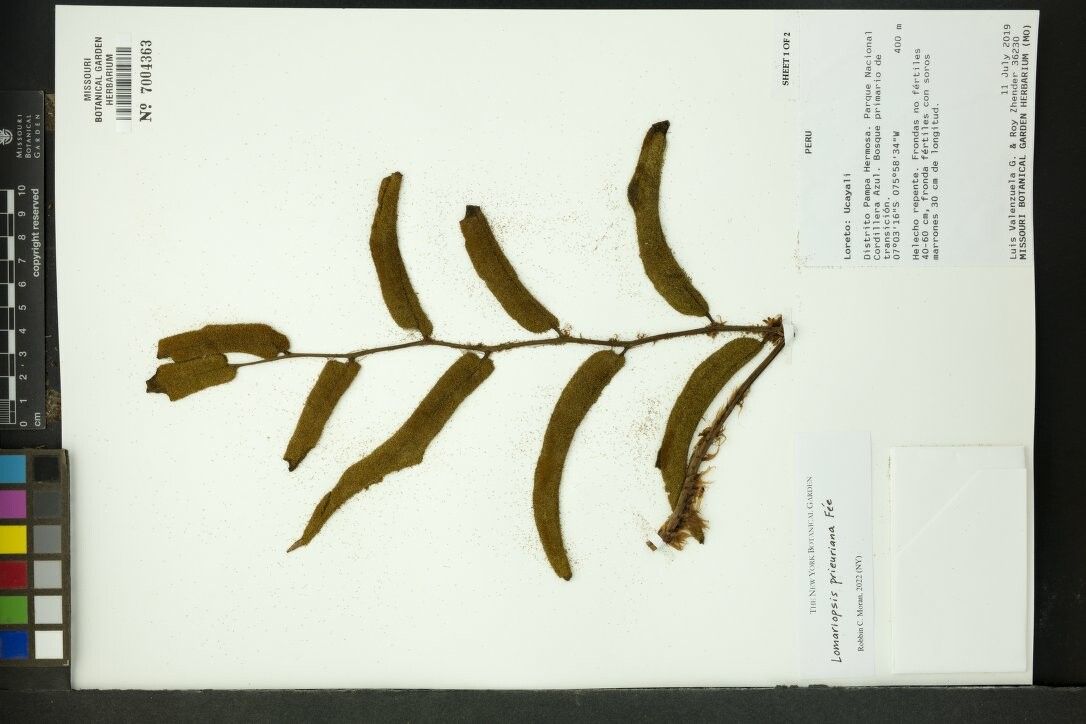
Propagating Lomariopsis prieuriana: A Gardener’s Guide
Introduction
Lomariopsis prieuriana, also known as the Lace Fern or sometimes simply as a type of Lomariopsis, is a captivating fern prized for its delicate, finely divided fronds and elegant, arching habit. Its lacy appearance makes it a popular addition to terrariums, shaded gardens, and indoor plant collections. However, its propagation presents unique challenges compared to some more common fern varieties. The relatively slow growth rate and less readily available propagation material contribute to its slightly higher cultivation difficulty, which adds to the satisfaction of successful propagation.
Seed Germination
Currently, there are no known reliable methods for seed germination propagation of Lomariopsis prieuriana. Ferns of this genus generally reproduce through spores, not seeds, and while spore propagation is possible, it requires specialized conditions and considerable patience and is beyond the scope of typical home gardening. Spore propagation for this species requires further research and refinement of techniques. Therefore, focusing on vegetative propagation methods is far more practical for hobbyists.
Cuttings
Cuttings are generally not a viable method for propagating Lomariopsis prieuriana. Unlike certain other ferns that might regenerate from stem cuttings, this species does not readily root from cut portions of its fronds or rhizomes. Attempts at propagation from cuttings have historically yielded low success rates.
Division
Division presents the most reliable method for propagating Lomariopsis prieuriana. This involves carefully separating established clumps of the fern into smaller sections, each containing its own rhizome and several fronds.
- Challenges: Dividing the rhizome needs to be done carefully to avoid damaging the delicate roots and fronds. Overly small divisions might struggle to establish themselves. Ensuring each division has sufficient root mass is crucial for success.
- Practical Tips: The best time to divide Lomariopsis prieuriana is during the active growing season (spring or early summer). Use a sharp, sterile knife or trowel to divide the rhizome, aiming for sections with at least 3-4 fronds and a healthy root system. Replant the divisions immediately into a well-draining, humus-rich potting mix, keeping them moist but not waterlogged. Maintain high humidity and consistent warmth.
- Rewards: Division is straightforward, providing a relatively quick way to increase the number of plants. It preserves the exact genetic characteristics of the parent plant.
Tissue Culture
Tissue culture offers another possibility for propagating Lomariopsis prieuriana, especially for large-scale propagation or the preservation of rare genotypes.
- Challenges: This technique requires specialized equipment, a sterile environment, and knowledge of plant tissue culture protocols. It can be expensive and time-consuming.
- Practical Tips: Successful tissue culture relies on using sterile techniques to avoid contamination. The growth medium must provide the optimal nutrients and hormones for shoot and rhizome development.
- Rewards: Tissue culture allows for mass propagation of genetically identical plants and offers potential for eliminating diseases. This method can be important for conservation efforts.
Conclusion
Propagating Lomariopsis prieuriana presents challenges, but the rewards of successfully nurturing these elegant ferns are significant. While seed germination and cuttings are currently impractical, division offers a relatively accessible method for home gardeners. Tissue culture provides a more advanced approach for larger-scale propagation or specialized applications. The effort invested in successfully propagating this beautiful fern, whether through division or tissue culture, is rewarded by the quiet elegance it brings to any collection, serving as a testament to your horticultural dedication. Embrace the challenge—the journey and the eventual success will be profoundly satisfying.