
Waking the Desert Parsnip: Successfully Propagating Lomatium torreyi
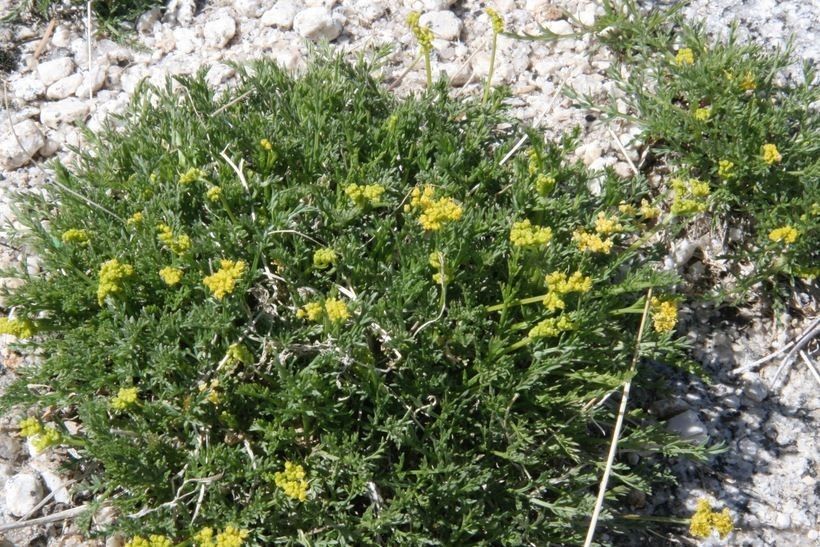
Lomatium torreyi, also known as Torrey’s desert parsley or the Wasatch lomatium, isn’t the most common name in home gardening. However, its delicate yellow blooms and feathery foliage, combined with remarkable drought tolerance, make it a unique and rewarding addition to any xeriscape or rock garden.
While readily available in nurseries specializing in native plants, you might find yourself wanting to share this understated beauty with friends or simply propagate more for your own enjoyment. Luckily, though somewhat particular, propagating Lomatium torreyi is achievable with a bit of patience and the right approach.
Understanding the Lomatium Lifecycle
Lomatium torreyi is a taprooted perennial, blooming in early spring before dying back to its roots as the heat intensifies. This dormancy period is key to understanding its propagation. Two methods prove most effective:
1. Seed Propagation: A Test of Patience
- Timing is Everything: Collect seeds from mature plants in late spring as the seed heads begin to dry. Fall sowing mimics the natural cycle and provides optimal germination rates.
- Cold Stratification is Key: Lomatium seeds require a period of cold, moist stratification to break dormancy. Mix seeds with moist sand or vermiculite, seal in a ziplock bag, and refrigerate for 8-12 weeks.
- Sowing the Seeds: After stratification, sow seeds in a well-draining seed-starting mix, barely covering them. Maintain consistent moisture and a cool environment (60-65°F) until germination, which can take several weeks.
- Transplanting Success: Once seedlings are a few inches tall, carefully transplant them to individual pots. Ensure good drainage and gradually acclimate them to outdoor conditions before planting in their final location.
2. Division: A Faster, But Riskier, Approach
Division, while faster, carries more risk as it disturbs the sensitive taproot. Proceed with caution and only on established plants:
- Timing and Care: Divide plants in early spring as new growth emerges. Dig deeply and carefully to minimize root disturbance.
- Sharp and Clean: Use a sharp, sterilized knife or garden shears to separate the plant into sections, ensuring each division has a healthy portion of roots and shoots.
- Replanting and Support: Replant the divisions immediately in well-draining soil, ensuring the crown is level with the soil surface. Water thoroughly and provide temporary shade to minimize transplant shock.
Patience is Paramount
Regardless of the method, remember that Lomatium torreyi takes time to establish. Don’t be discouraged if you don’t see rapid growth immediately. Once established, this resilient plant will reward your efforts with its unique charm year after year.
By understanding the life cycle and preferences of Lomatium torreyi, you can successfully propagate this beautiful native plant and enjoy its subtle beauty for years to come.