
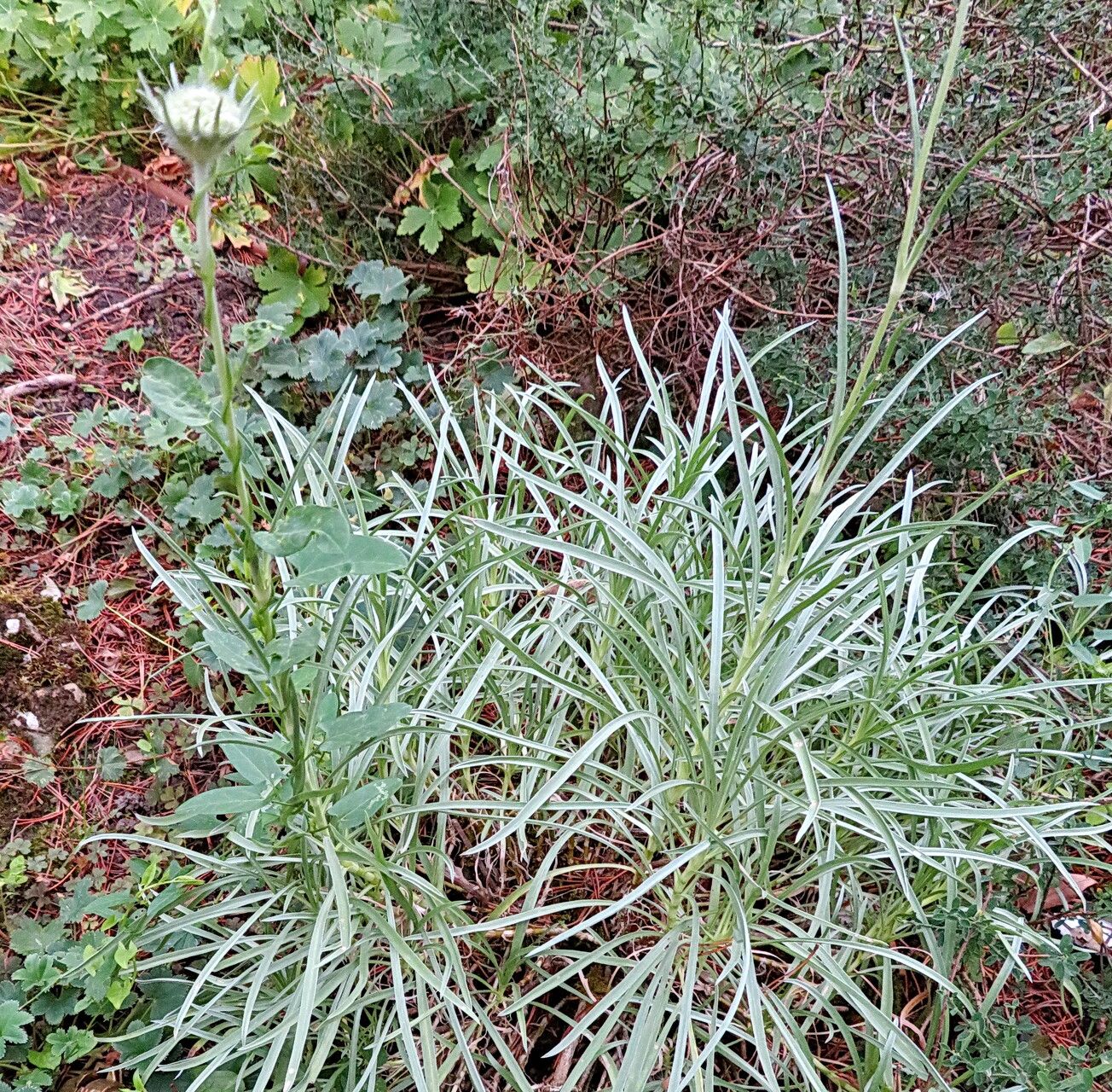
Taming the Mediterranean Thistle: Propagating the Enchanting Lomelosia Graminifolia
The Lomelosia Graminifolia, also known as the grass-leaved scabious, is a captivating Mediterranean plant that brings a touch of wild elegance to any garden. Its silvery-green foliage and stunning spherical, lavender-blue flower heads make it a standout choice for rock gardens, borders, or even containers. But getting your hands on this beauty can be tricky. So, why not try propagating your own? While a touch more demanding than your average daisy, successfully multiplying your Lomelosia is a rewarding experience for the patient gardener.
Before diving into the “how,” let’s understand the “when.” The best time for Lomelosia propagation is during the active growing season – spring or early summer. This period provides the warmth and sunlight necessary for successful rooting.
Here are two methods you can use:
1. Seed Propagation – A Leap of Faith:
This method requires patience as Lomelosia seeds can be notoriously fickle, with germination rates varying greatly. However, it’s a cost-effective way to grow numerous plants.
- Sourcing Seeds: Purchase seeds from a reputable supplier or collect them from existing plants in late summer. Note that seeds from cultivated varieties may not breed true to the parent plant.
- Sowing: Sow seeds in seed trays filled with well-draining, sandy compost. Lightly press the seeds into the surface, and barely cover them with a dusting of compost or vermiculite.
- Nurturing Growth: Place the tray in a bright, warm location but out of direct sunlight. Keep the soil consistently moist, but not waterlogged, using a spray bottle to avoid disturbing the seeds.
- Transplanting: Germination can take anywhere from a few weeks to a couple of months. Once seedlings have developed a couple of sets of true leaves, carefully transplant them into individual pots filled with a well-draining potting mix.
2. Basal Cuttings – Cloning Your Favorite:
Basal cuttings involve taking a cutting from the base of the plant, encouraging it to produce roots and grow into a new plant. This method offers a higher success rate and ensures the new plants share the parent plant’s characteristics.
- Taking the Cutting: Carefully select a healthy, non-flowering stem at the base of the plant. Using a sharp, sterilized knife or pair of scissors, make a clean cut just below a node (where the leaf joins the stem). Aim for a cutting about 3-4 inches long.
- Preparing the Cutting: Remove the lower leaves, leaving only a couple at the top. Dip the cut end in rooting hormone (optional but recommended) to encourage faster root development.
- Planting: Insert the cutting into a pot filled with a well-draining, gritty compost. Gently firm the soil around the base to secure it.
- Encouraging Root Development: Place the pot in a warm, bright location away from direct sunlight. Maintain humidity around the cutting by placing it inside a propagator or covering the pot with a clear plastic bag.
- Transplanting: After about 4-6 weeks, gently tug on the cutting. If you feel resistance, roots have likely developed. Harden off the cutting by gradually acclimating it to outdoor conditions before transplanting it to its final location in the garden.
A Few Final Tips:
- Well-draining soil is crucial for Lomelosia, which prefers dry conditions and is susceptible to root rot.
- Avoid overwatering. Water only when the soil is dry to the touch.
- Fertilize sparingly during the growing season with a balanced liquid fertilizer.
With patience and proper care, you’ll soon be rewarded with a flourishing collection of these enchanting Mediterranean beauties, adding unique charm and texture to your landscape. So, grab your gardening gloves and embark on the rewarding journey of propagating Lomelosia Graminifolia!