
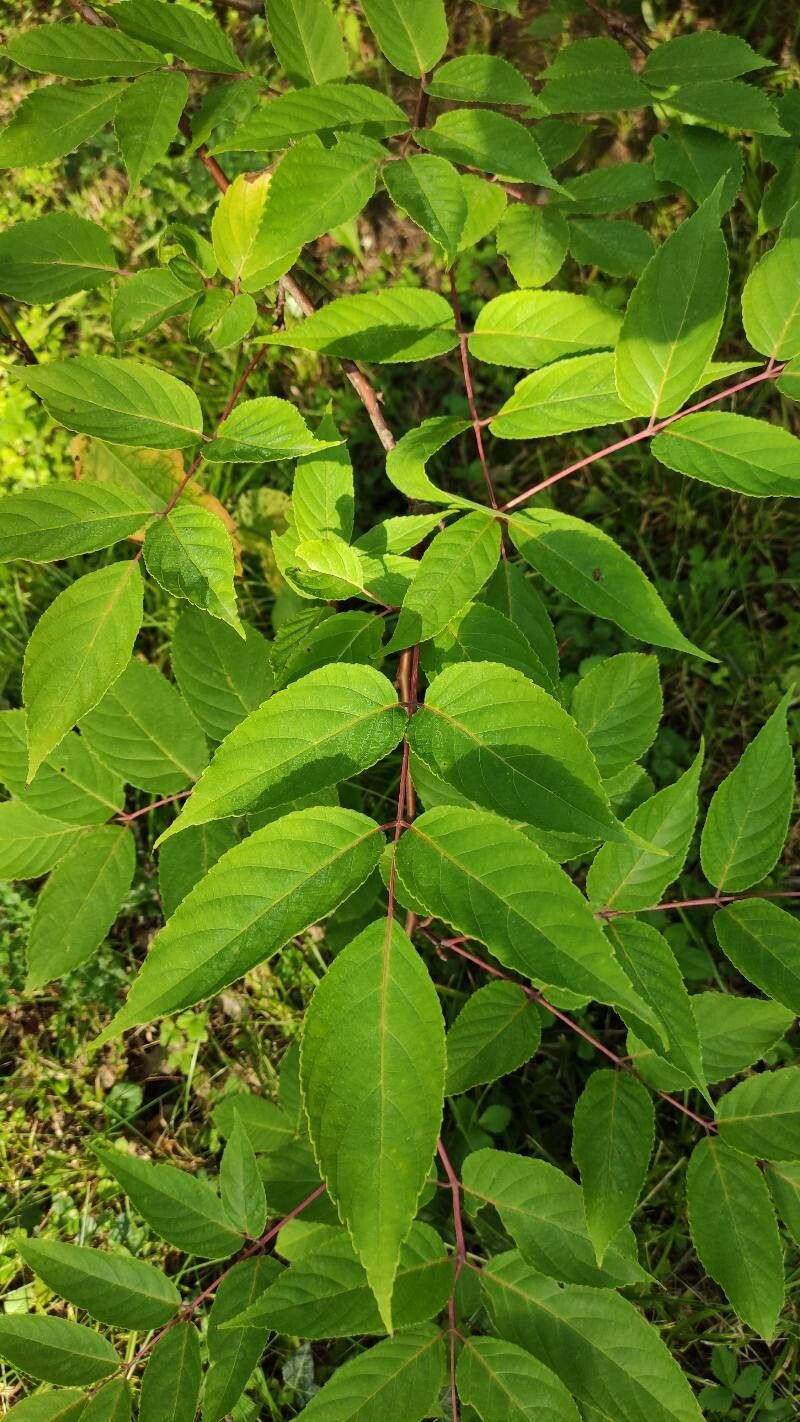
Unlocking the Mystery: Propagation Techniques for the Rare Tapiscia sinensis
The world of horticulture is brimming with familiar faces and exotic strangers. Today, we delve into the intriguing realm of the Tapiscia sinensis, a deciduous tree hailing from the enchanting landscapes of China. While not a common sight in gardens, this rare beauty, with its elegant form and vibrant autumn foliage, deserves a place of honor. But propagating Tapiscia sinensis can feel like navigating uncharted territory. Fear not, fellow plant enthusiasts, for we’re here to demystify the process and equip you with the knowledge to successfully propagate this botanical gem.
Seeds of Potential: The Art of Seed Propagation
Seed propagation, while potentially the most rewarding method, requires patience and a dash of green-thumb magic. Here’s how to embark on this rewarding journey:
- Source Fresh Seeds: Obtaining viable seeds is your first quest. Look for reputable seed suppliers specializing in rare or unusual plants. Fresh seeds significantly increase your chances of success.
- Break the Dormancy: Tapiscia sinensis seeds often exhibit dormancy, requiring a little nudge to awaken. Cold stratification, mimicking the natural winter chill, is your best bet. Place the seeds in a moist medium like vermiculite or sand, seal them in a plastic bag, and refrigerate for 6-8 weeks.
- Sowing the Seeds: Use a well-draining seed starting mix. Sow the seeds at a depth of about ¼ inch and keep the soil consistently moist but not waterlogged.
- Patience, Young Padawan: Germination can be slow, taking anywhere from a few weeks to a couple of months. Don’t lose heart! Provide warmth (around 70°F or 21°C) and bright, indirect light during this period.
- Transplant with Care: Once the seedlings boast a few true leaves, carefully transplant them into individual pots filled with well-draining soil.
Taking the Shortcut: The Method of Cuttings
For those seeking quicker results, propagation through cuttings offers a faster route:
- Timing is Key: Early summer, when new growth is semi-hardened, is the ideal time to take cuttings.
- Selecting a Healthy Parent: Choose a vigorous branch with healthy leaves and no signs of disease.
- Making the Cut: Using a sharp, sterilized knife or pruning shears, take a 4-6 inch cutting just below a leaf node (the point where a leaf emerges). Remove leaves from the bottom half of the cutting.
- Hormone Boost: While not strictly necessary, dipping the cut end in rooting hormone can significantly improve success rates.
- Creating the Ideal Environment: Plant the cutting in a pot containing a well-draining mix of peat moss and perlite. Maintain high humidity by covering the pot with a plastic bag or using a humidity dome.
- Patience, Part Deux: Rooting can take several weeks. Once new growth appears, it’s a good sign that roots have formed.
Beyond Propagation: Caring for Your Tapiscia sinensis
Whether you choose the path of seeds or cuttings, your journey doesn’t end with successful propagation. Provide your Tapiscia sinensis with well-draining soil, ample sunlight (though some afternoon shade is appreciated in warmer climates), and regular watering, allowing the soil to dry slightly between waterings. Regular fertilization during the growing season will also ensure robust growth.
With patience, the right conditions, and a sprinkle of horticultural passion, you can unlock the secrets of propagating Tapiscia sinensis. Let this rare beauty grace your garden with its elegance, reminding us that the most rewarding endeavors often demand we venture off the beaten path.