
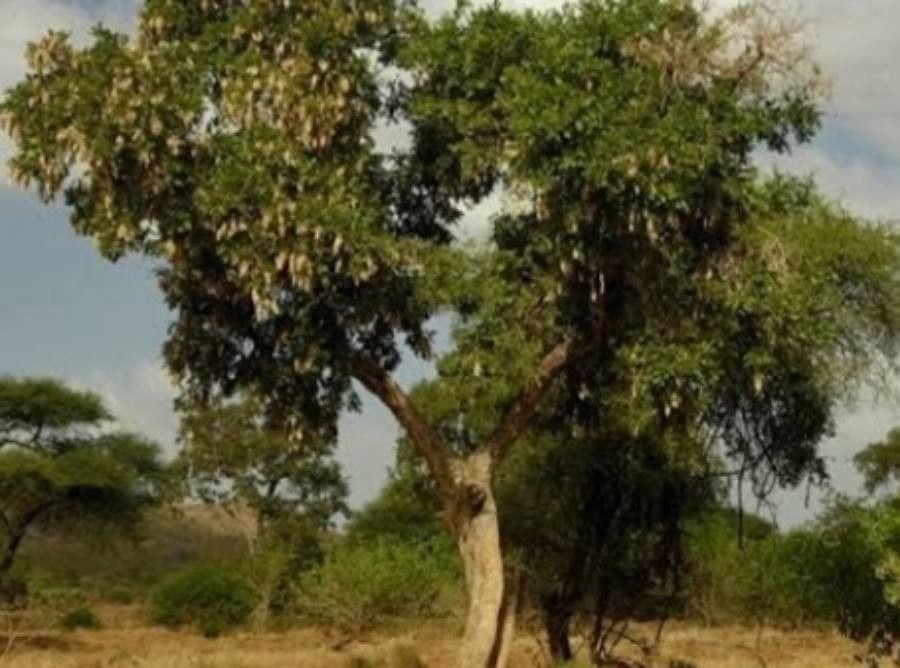
Unlocking the Secrets of the Rain Tree: Propagating Lonchocarpus capassa
The Lonchocarpus capassa, more commonly known as the Apple-Leaf or Rain Tree, is a breathtaking sight. This medium-sized tree, native to Southern Africa, is adored for its spreading canopy of vibrant green leaves and its magnificent display of fragrant purple blossoms. But have you ever wondered about cultivating this beauty in your own backyard?
While obtaining a sapling from a nursery is always an option, propagating your own Lonchocarpus capassa can be a rewarding experience. Here’s a complete guide to help you successfully grow this stunning tree.
Two Paths to Propagation
Lonchocarpus capassa can be propagated in two main ways:
1. Seed Propagation:
- Harvesting the Seeds: The Rain Tree produces long, flat pods containing several seeds. Collect mature, brown pods directly from the tree or after they’ve fallen.
- Preparing for Sowing: Extract the seeds from the pods and soak them in warm water for 24 hours. This softens the outer shell and encourages germination.
- Sowing the Seeds: Plant the seeds about 1 inch deep in a well-draining seed-starting mix. Ensure the pot has drainage holes to prevent waterlogging.
- Providing Optimal Conditions: Place the pot in a warm, sunny location. Keep the soil consistently moist but not waterlogged.
- Germination Time: Germination can take anywhere from 2 weeks to a couple of months. Be patient and continue providing optimal conditions.
2. Propagation from Cuttings:
- Timing is Everything: Take hardwood cuttings from healthy, mature branches during late spring or early summer.
- Choosing the Right Cuttings: Select cuttings that are about 6-8 inches long and have at least 3-4 nodes (bumps where leaves emerge).
- Preparing the Cuttings: Remove leaves from the lower half of the cutting. Dip the cut end in rooting hormone (optional but recommended).
- Planting the Cuttings: Plant the prepared cuttings in a mix of peat moss and perlite. Ensure at least two nodes are buried.
- Encouraging Root Development: Cover the pot with a plastic bag or place it in a propagator to maintain humidity. Keep the soil consistently moist.
- Transplanting: Once the cuttings show signs of new growth (usually after 6-8 weeks), they have developed roots and can be transplanted into larger pots or directly into the ground.
Important Considerations for Success:
- Well-Draining Soil: Lonchocarpus capassa thrives in well-draining soil. Amend heavy clay soils with sand or compost to improve drainage.
- Sunlight Requirements: These trees prefer full sun to partial shade. Choose a location in your garden that receives at least 6 hours of direct sunlight daily.
- Water Wisely: While young, the Rain Tree requires regular watering, especially during dry periods. However, once established, it is relatively drought-tolerant. Avoid overwatering, which can lead to root rot.
- Pest and Disease Control: Lonchocarpus capassa is generally pest and disease-free. However, be vigilant and address any issues promptly with appropriate treatments.
Propagating your own Lonchocarpus capassa is a fulfilling endeavor. With patience and care, you can cultivate this magnificent tree and enjoy its beauty for years to come. Imagine the shade it will provide, the sweet fragrance that will fill your garden, and the satisfaction of knowing you nurtured it from seed or cutting! So why not embark on this rewarding journey and witness the magic of the Rain Tree unfold in your own backyard.