
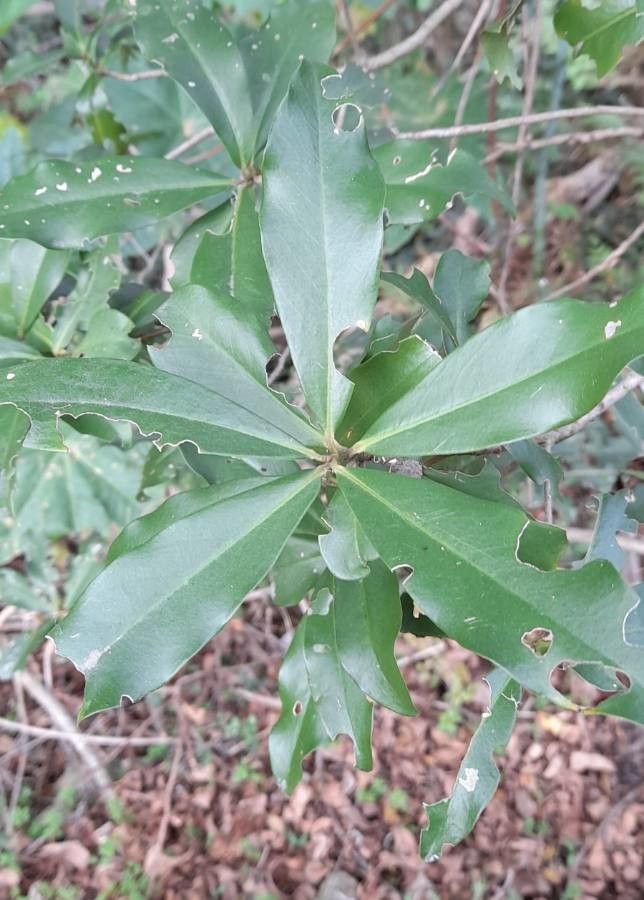
Unlocking the Secrets of Myrsine Laetevirens Propagation: A Guide to Growing This Evergreen Beauty
Myrsine laetevirens, also known as the shiny leafed myrtle or Cape myrtle, is a handsome evergreen shrub prized for its glossy foliage, delicate flowers, and attractive berries. Native to South Africa, this versatile plant can thrive in various climates and brings a touch of elegance to gardens worldwide. While finding Myrsine laetevirens in your local nursery might be a stroke of luck, propagating this beauty yourself is a rewarding endeavor.
This comprehensive guide will delve into the secrets of propagating Myrsine laetevirens, empowering you to expand your garden with this stunning evergreen.
Two Paths to Propagation: Seeds vs. Cuttings
Myrsine laetevirens can be propagated through two main methods: seeds and cuttings. Each method comes with its own set of advantages and challenges.
1. Starting from Seed: A Test of Patience
Propagating Myrsine laetevirens from seed is a rewarding, albeit lengthy, process. Here’s what you need to know:
- Seed Collection: Berries ripen in late fall or early winter. Look for plump, dark purple to black berries.
- Seed Preparation: Gently crush the berries and rinse the seeds in a sieve to remove any pulp. Allow them to dry thoroughly.
- Sowing: Plant seeds in a well-draining seed-starting mix, lightly covering them with soil.
- Patience is Key: Germination can be erratic and may take anywhere from a few weeks to several months. Maintain consistent moisture and provide bright, indirect light.
2. Propagating from Cuttings: A Quicker Route to Success
Taking cuttings is a faster way to propagate Myrsine laetevirens and ensures you’re replicating the characteristics of the parent plant.
- Timing is Everything: Take semi-hardwood cuttings in late summer or early fall.
- Choose Wisely: Select healthy, non-flowering stems that are about 4-6 inches long.
- Preparation is Key: Remove leaves from the bottom inch of the cutting and wound the base slightly to encourage root development. Dip the cut end in rooting hormone.
- Planting and Care: Plant cuttings in a well-draining potting mix and place them in a warm, humid environment. Cover the cuttings with a plastic bag or humidity dome to retain moisture.
- Rooting Success: Cuttings typically root within 6-8 weeks. Once roots develop, gradually acclimatize the new plants to outdoor conditions before transplanting.
Tips for Propagation Success:
- Well-Draining Soil is Crucial: Myrsine laetevirens prefers well-drained soil. Using a peat-based seed starting mix or amending your potting mix with perlite or sand will prevent waterlogging and root rot.
- Light is Life: Provide ample bright, indirect light for both seeds and cuttings. Avoid direct sunlight, which can scorch young plants.
- Warmth Encourages Growth: Maintain a warm environment during propagation, ideally between 65-75°F (18-24°C). A heat mat can be beneficial for seed germination.
- Humidity is Your Friend: High humidity is essential for successful rooting of cuttings. Create a humid environment by misting regularly or using a humidity dome.
Propagating Myrsine laetevirens: A Rewarding Journey
Whether you choose the patience of seeds or the efficiency of cuttings, propagating Myrsine laetevirens is a rewarding experience for any plant enthusiast. By following these guidelines and arming yourself with patience and care, you’ll be well on your way to growing a collection of these elegant evergreens. Enjoy the journey of watching new life flourish from seed or stem, and reap the rewards of your propagation efforts for years to come.