
Unlocking the Secrets of Lonchocarpus ferrugineus: A Propagation Guide
The Lonchocarpus ferrugineus, also known as the Rusty Lonchocarpus or even just "Rusty", is a captivating tree with its feathery foliage and vibrant violet blooms. Native to Central and South America, this tropical beauty can be a stunning addition to gardens in suitable climates. But cultivating Rusty from scratch might seem daunting – how do you propagate this exotic wonder? Fear not, green thumbs! While information on propagating Lonchocarpus ferrugineus can be scarce, this guide will equip you with the knowledge to give it a try.
Two Paths to Propagation:
1. Seed Propagation:
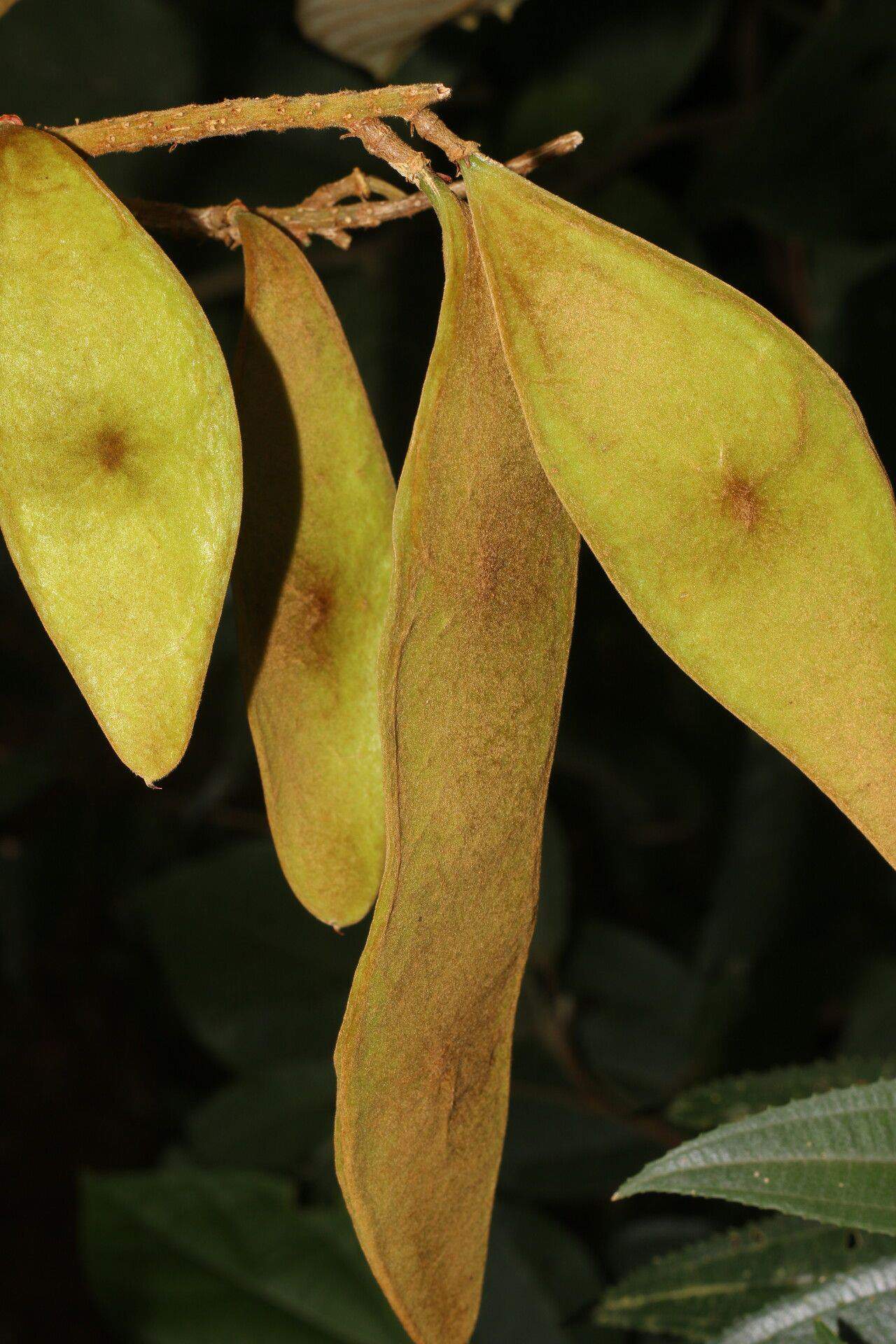
- Source: Obtaining seeds can be tricky, as they aren’t widely available commercially. If you’re lucky enough to have access to a mature tree, collect ripe pods directly.
- Preparation: The seeds have a hard outer coating which benefits from scarification. Gently rub the seed coat with sandpaper or a file, creating a small opening. Soaking the scarified seeds in water for 24 hours can further aid germination.
- Sowing: Plant the seeds in a well-draining seed starting mix, barely covering them with soil. Maintain a warm temperature (around 75°F or 24°C) and keep the soil consistently moist but not waterlogged.
- Patience: Germination can be slow and erratic, potentially taking several weeks or even months.
2. Cutting Propagation:
- Timing: Early summer is ideal, targeting semi-hardwood cuttings.
- Selection: Choose healthy, non-flowering stems about 4-6 inches long.
- Preparation: Remove leaves from the bottom half of the cutting and wound the base slightly to expose the cambium layer. Dipping the wounded end in rooting hormone powder can significantly improve success rates.
- Planting: Insert the cuttings into a well-draining potting mix, burying at least two nodes below the surface.
- Environment: Provide a humid environment by covering the pot with a plastic bag or using a propagation dome. Bottom heat can also be beneficial. Ensure bright, indirect light and maintain consistent moisture.
- Rooting: With proper care, roots should develop in 6-8 weeks. You can test for rooting by gently tugging on the cutting – resistance indicates root development.
Nurturing Your Rusty Saplings:
Regardless of your chosen propagation method, young Rusty plants need tender loving care:
- Sunlight: Acclimatize them gradually to full sun, as they prefer bright, indirect light initially.
- Water: Keep the soil evenly moist but avoid overwatering, which can lead to root rot.
- Fertilizer: Use a balanced liquid fertilizer diluted to half-strength every 4-6 weeks during the growing season.
- Pruning: Pinch back the growing tips to encourage bushier growth.
Challenges and Troubleshooting:
- Slow Germination: Seed germination can be notoriously slow. Don’t lose hope! Keep providing the right conditions, and seedlings may still emerge.
- Root Rot: Overwatering is the enemy! Ensure good drainage and avoid letting the potting mix become soggy.
- Pests: Keep an eye out for common pests like aphids, mealybugs, and spider mites. Treat infestations promptly with insecticidal soap or neem oil.
Propagating Lonchocarpus ferrugineus may require some patience and dedication, but the rewards are undeniable. With a little effort, you can bring the allure of this stunning tropical species to your own backyard, enjoying its vibrant blooms and unique character for years to come.