
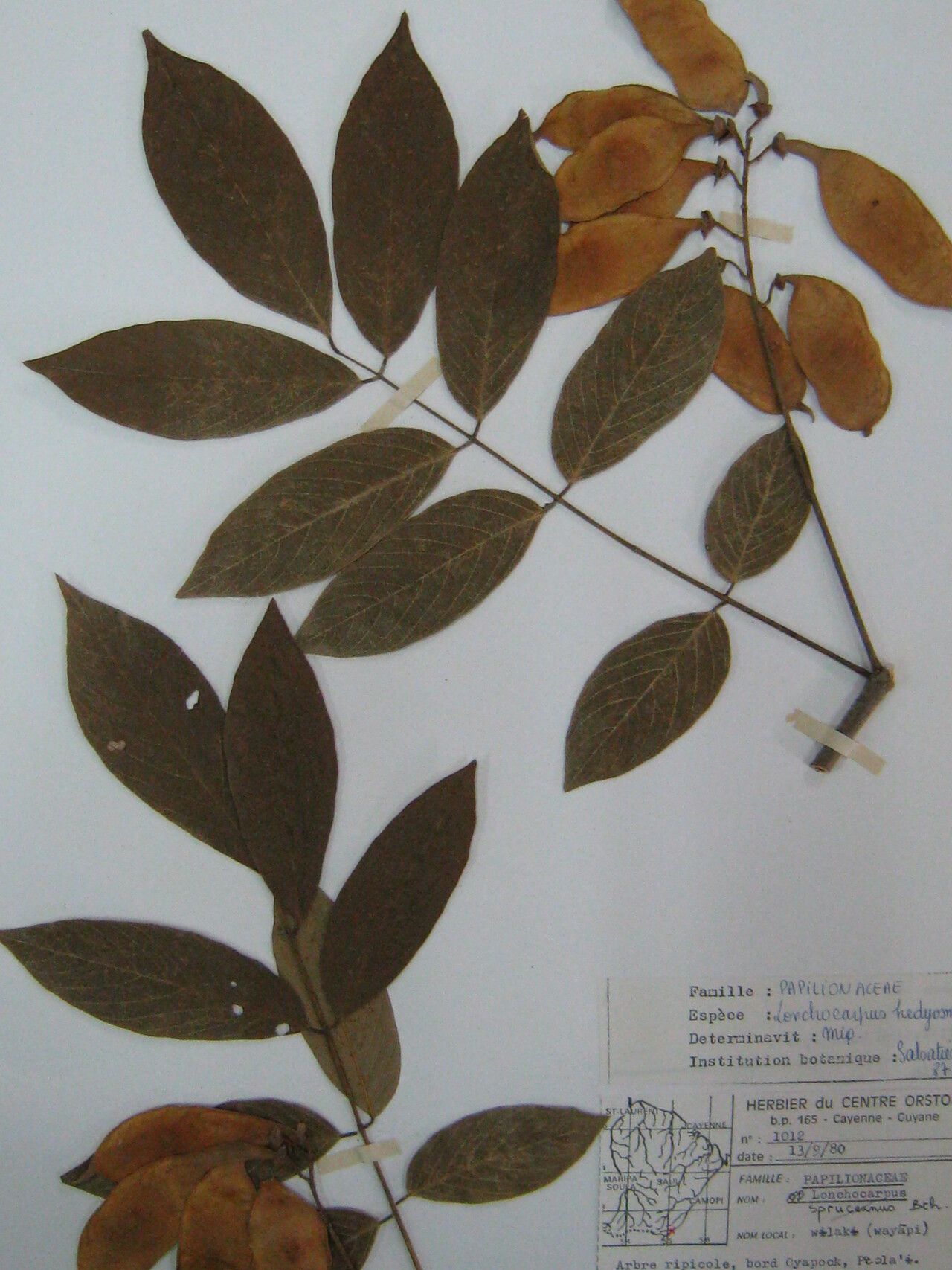
Propagating Lonchocarpus hedyosmus: A Gardener’s Challenge
Lonchocarpus hedyosmus, commonly known as the Ball-bearing tree or sometimes as the “Fish Poison Tree” (though this name is more often associated with related species), is a captivating plant prized for its attractive foliage and unique characteristics. Its popularity among gardeners stems from its potential as a striking ornamental tree, particularly in tropical and subtropical regions. However, propagation presents a unique set of challenges, making successful cultivation a rewarding experience for the dedicated plant enthusiast.
Seed Germination:
Currently, there are no known reliable methods for seed germination propagation of Lonchocarpus hedyosmus. While seeds may be produced, their viability is notoriously low, and the dormancy mechanisms involved appear to be poorly understood. Further research is needed to explore potential germination stimulators or techniques like scarification or stratification.
Cuttings:
Cuttings offer a more promising approach to propagating Lonchocarpus hedyosmus than seed germination.
Challenges: Success with cuttings hinges on factors such as the timing of the cutting (ideally during active growth), the type of cutting (semi-hardwood cuttings are often preferred), and the use of rooting hormones. Maintaining high humidity and suitable temperatures is crucial to prevent desiccation and fungal infections.
Practical Tips: Take cuttings from healthy, actively growing stems, around 10-15cm long. Remove lower leaves, and dip the cut end in a rooting hormone solution. Plant the cuttings in a well-draining propagation mix, such as a peat and perlite blend, ensuring good humidity (e.g., using a propagation dome or humidity tent). Consistent misting may be necessary, but avoid overwatering.
Rewards: Cuttings offer a faster propagation method than other techniques, resulting in genetically identical plants to the mother plant. This consistency is valuable for maintaining desirable traits.
Division:
Division is unlikely to be a successful propagation method for Lonchocarpus hedyosmus. This species generally develops a substantial taproot system, making the division of established plants difficult and potentially damaging to the parent and new plantlets.
Tissue Culture:
Tissue culture presents a potential, albeit advanced, method for propagating Lonchocarpus hedyosmus.
Challenges: Establishing a sterile tissue culture environment and finding the suitable media and hormone combinations required for successful shoot multiplication and root formation for this specific species requires specialized knowledge and equipment. This method is generally not accessible to the average home gardener.
Practical Tips: This method is best left to professionals with experience in plant tissue culture. Identifying appropriate explant sources, growth media formulations, and plant growth regulators are crucial but require considerable experimentation.
Rewards: Tissue culture offers significant advantages, including the potential for large-scale propagation and the production of disease-free plantlets. It’s the likely method to overcome the challenges associated with seed and cutting propagation.
Conclusion:
Propagating Lonchocarpus hedyosmus is undeniably challenging. While seed germination currently appears unreliable, cuttings offer a practical approach for hobbyist growers, though success requires patience and attention to detail. Tissue culture holds the most promise for large-scale propagation but demands specialized expertise and resources. The difficulty inherent in propagating this remarkable tree only amplifies the sense of accomplishment associated with its successful cultivation. For aspiring propagators, I encourage patience, persistence, and thorough research. Experimentation, carefully documenting your progress, will contribute to expanding our knowledge and ultimately improve the success rates of propagating this intriguing plant.