
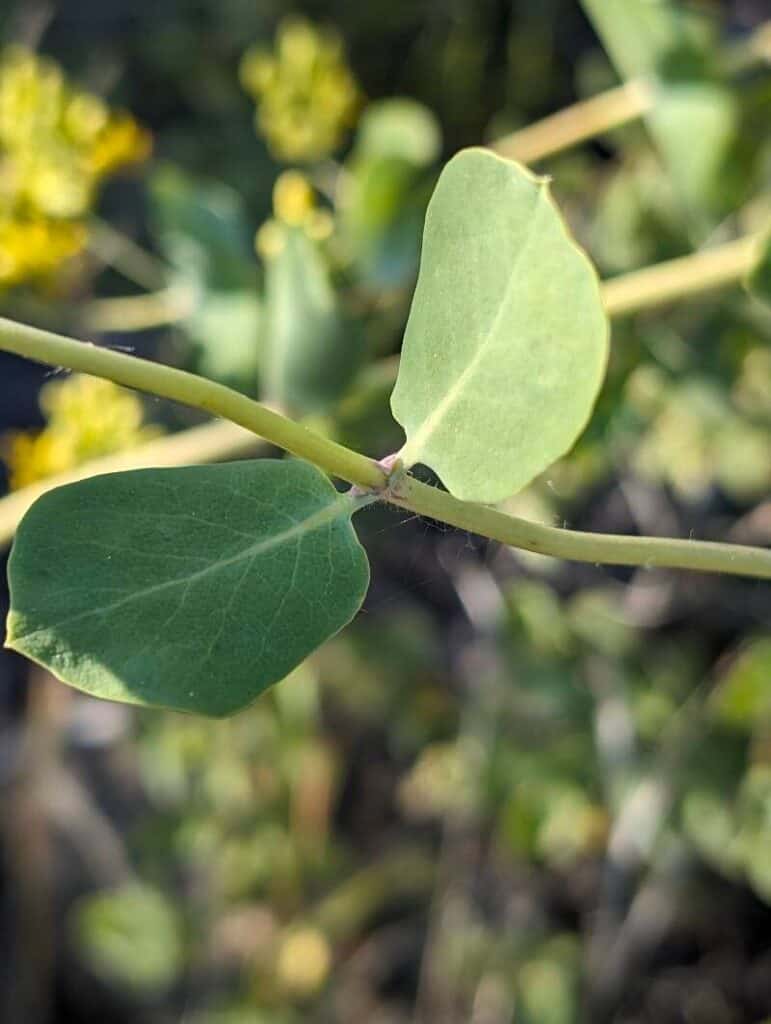
Unlocking the Secrets of Propagation: How to Grow More Chaparral Honeysuckle
The Chaparral Honeysuckle (Lonicera interrupta), with its delicate, trumpet-shaped flowers and vibrant orange berries, is a sight to behold. This California native isn’t just a feast for the eyes; it also attracts hummingbirds and butterflies, making it a wonderful addition to any wildlife garden.
Ready to invite the Chaparral Honeysuckle’s charm into your own backyard? Let’s explore the fascinating world of propagating this beautiful shrub:
Two Paths to Propagation:
- Seed Starting: A Journey of Patience
- Gathering the Goods: Collect ripe berries in the fall. You’ll notice they turn a vibrant orange when ready. Extract the seeds and clean off any pulp.
- Winter’s Chill: Chaparral Honeysuckle seeds need a period of cold stratification to germinate. You can mimic winter by placing the seeds in a moist paper towel inside a sealed plastic bag in your refrigerator (around 40°F) for 6-8 weeks.
- Spring Awakening: Once the last frost has passed, sow your seeds in a well-draining seed starting mix. Don’t bury them too deep; a light covering of soil is enough. Keep the soil consistently moist but not waterlogged.
- Patience is Key: Germination can be slow and erratic, taking anywhere from a few weeks to several months.
- Out into the World: Once your seedlings are a few inches tall and all danger of frost has passed, harden them off gradually before transplanting them to their permanent location.
- Cuttings: A Faster Route to Success
- Timing is Everything: Take softwood cuttings in late spring or early summer when the new growth is still pliable.
- Making the Cut: Select healthy, non-flowering stems. Using a sharp, clean knife or pruning shears, take cuttings about 4-6 inches long. Remove the leaves from the bottom inch or two of the stem.
- Hormone Boost (Optional): Dipping the cut end in rooting hormone powder can significantly increase your chances of success.
- Creating a Humid Haven: Plant the cuttings in a well-draining potting mix. Cover the pot with a plastic bag or humidity dome to maintain moisture.
- Root Development: Keep the cuttings in a bright location but out of direct sunlight. You should start to see new growth in 4-6 weeks, indicating successful rooting.
- Transplanting Time: Once the cuttings have developed a robust root system, you can transplant them into individual pots or directly into your garden.
Tips for Success:
- Well-Drained Soil is Crucial: Chaparral Honeysuckle thrives in well-drained soil. Amend heavy clay soils with compost or other organic matter to improve drainage.
- Sun or Shade? This adaptable shrub can tolerate full sun to partial shade. In hotter climates, providing some afternoon shade is beneficial.
- Water Wisely: Once established, Chaparral Honeysuckle is relatively drought-tolerant. However, regular watering, especially during the first year, will help it establish a strong root system.
Propagating your own Chaparral Honeysuckle is a rewarding experience. With a little patience and care, you can enjoy the beauty and ecological benefits of this remarkable plant for years to come.