
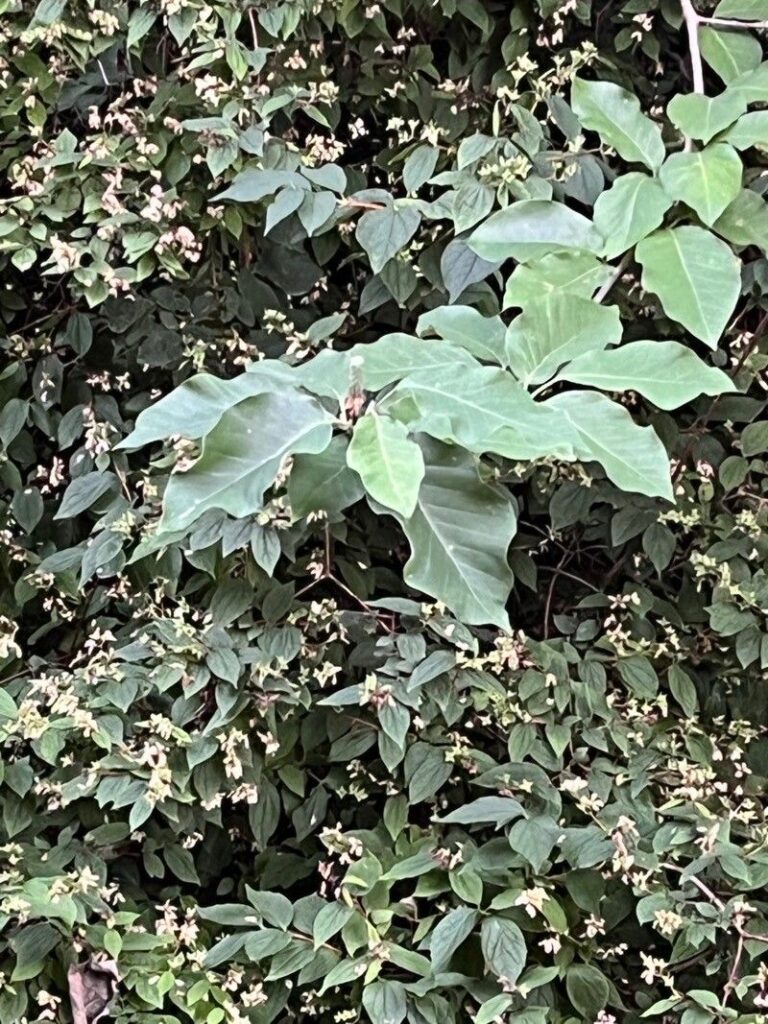
Harness the Beauty of Lonicera Lanceolata: A Guide to Propagation
Lonicera lanceolata, commonly known as the “Longleaf Honeysuckle,” is a stunning, native vine boasting fragrant, trumpet-shaped blooms and a striking, cascading growth habit. You might be captivated by its beauty and wondering how to add this graceful plant to your own garden. The good news is, propagating Lonicera lanceolata is relatively easy using a few simple techniques.
Understanding Lonicera Lanceolata: A Plant that Loves to Climb
This deciduous vine, reaching heights of 10-20 feet, is ideal for covering fences, walls, or arbors. Its glossy green leaves turn brilliant shades of red and orange in autumn, adding another layer of visual interest. The sweet fragrance of its flowers, blooming in clusters from late spring to early summer, attracts pollinators and adds a unique charm to your landscape.
Propagation Methods for Lonicera Lanceolata
There are two primary methods for propagating Lonicera lanceolata:
-
Softwood Cuttings: This method involves taking cuttings from new, semi-woody growth in the spring or early summer.
- Select healthy stems: Choose vigorous, disease-free shoots that are about 6-8 inches long.
- Make the cut: Using sharp pruning shears, make a clean cut just below a leaf node (the point where a leaf grows from the stem).
- Remove lower leaves: Remove the leaves from the bottom 2-3 inches of the cutting.
- Dip in rooting hormone: For optimal results, dip the cut end of the stem in a rooting hormone powder or solution.
- Plant in a suitable medium: Insert the cuttings into a pot filled with a seed starting mix or a mixture of equal parts perlite and vermiculite. Ensure that several nodes are buried within the medium.
- Provide moisture and humidity: Keep the soil consistently moist, but not soggy, and cover the pot with a clear plastic dome or bag to create a humid environment.
- Maintain a warm location: Place the pot in a bright, indirect light location with temperatures around 70-75 degrees Fahrenheit.
- Roots and Transplanting: Within 4-6 weeks, roots should start to develop. Once the cuttings show strong growth, you can transplant them into larger pots or directly into the ground.
-
Layering: This method involves encouraging the vine to root while it’s still attached to the parent plant.
- Select a stem: Choose a healthy, flexible stem in the spring and bend it towards the ground.
- Scratch and bury: Scratch the bottom of the stem where it touches the soil to encourage root formation. Then, pin down the stem with a wire or rock.
- Keep moist: Keep the soil consistently moist around the buried stem.
- Detach: Within a few months, the stem should develop roots. Cut the stem from the parent plant, leaving the rooted section in place.
Success Tips for Lonicera Lanceolata Propagation
- Timing is key: The best time for propagation is in the spring while the plant is actively growing.
- Use sharp tools: Clean, sharp pruning shears or a knife will make clean cuts that reduce the risk of infection.
- Provide adequate moisture and humidity: Both cuttings and layers need consistent moisture and humidity to develop roots successfully.
-
Protect from pests and diseases: Keep a watchful eye for pests, diseases, and fungal infections.
Enjoy the Beauty You’ve Cultivated
Propagating your own Lonicera lanceolata is a rewarding experience that allows you to share this beautiful plant with others or create your own stunning garden oasis. Remember to follow these simple steps, and you’ll be rewarded with vibrant vines that add grace and fragrance to your landscape for years to come.