
Propagating Amur Honeysuckle (Lonicera maackii): A Gardener’s Guide
Introduction:
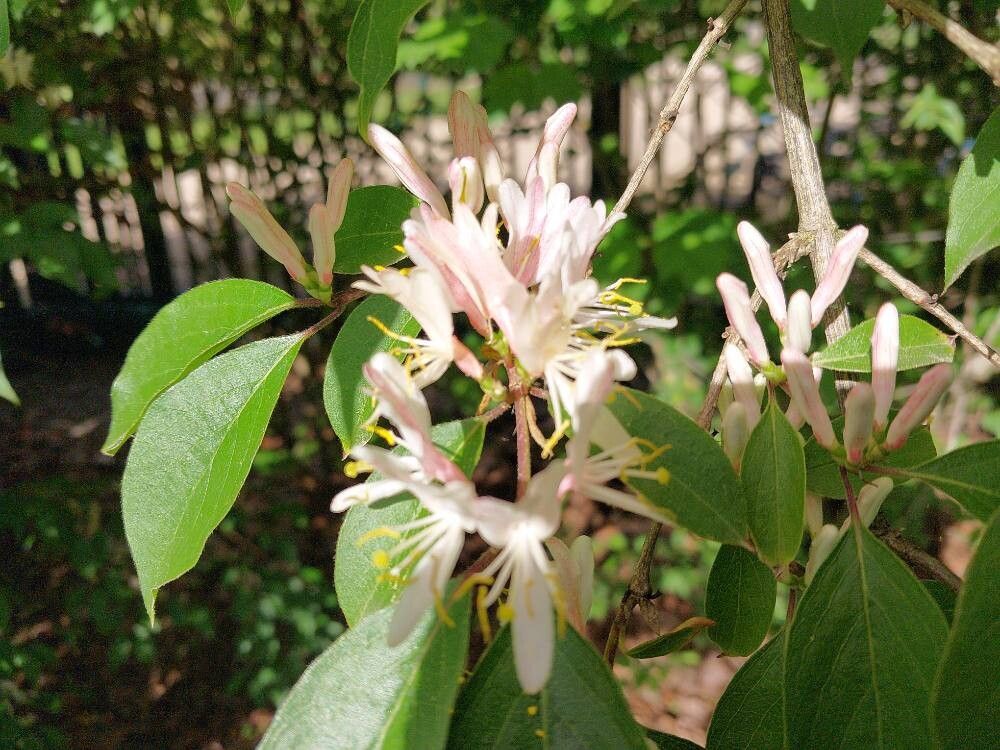
Lonicera maackii, commonly known as Amur honeysuckle, is a deciduous shrub renowned for its profuse, fragrant white flowers that mature into red berries. Native to eastern Asia, it has become popular in North American gardens for its adaptability and attractive foliage, which turns a vibrant yellow in autumn. However, its aggressive growth habit has led to its classification as an invasive species in many areas. This duality – its beauty alongside its invasive potential – makes propagation a complex issue, requiring careful consideration. While its widespread naturalization suggests a potentially high seed viability in its native habitat, successful propagation under cultivated conditions presents various challenges.
Seed Germination:
While Amur honeysuckle produces seeds abundantly, successful germination is notoriously challenging. The seeds possess a hard seed coat, requiring stratification to break dormancy and initiate germination.
Challenges: Low germination rates even with stratification. Seeds may exhibit a high degree of dormancy and inconsistent germination times.
Tips: Stratification is crucial. A cold, moist stratification period of 60-90 days at temperatures near 4°C (39°F) is recommended before sowing. Sow seeds in a well-draining seed starting mix, keeping the soil consistently moist but not waterlogged. Germination may take several weeks or even months. Consider using a fungicide to prevent damping-off.
Rewards: Successful germination offers access to a wide array of genetic diversity, potentially leading to more robust and adaptable plants. It also provides a potentially cost-effective method for large-scale plantation (with careful management to prevent escape into the wild).
Cuttings:
Cuttings offer a more reliable method for propagating Amur honeysuckle compared to seed germination.
Challenges: Success rates can vary depending on the timing and method. Semi-hardwood cuttings taken in late summer or early autumn generally yield better results than softwood cuttings.
Tips: Use sharp, clean tools to take 4-6 inch cuttings from current season’s growth. Remove lower leaves and dip the cut ends in rooting hormone. Plant cuttings in a well-draining rooting medium (e.g., a mix of perlite and peat moss). Keep the medium consistently moist and maintain high humidity (e.g., by using a humidity dome). Propagation may take several weeks to months.
Rewards: Cuttings produce genetically identical plants, ensuring consistency in characteristics. It is a comparatively quicker method than seed propagation, allowing for a more rapid increase in the number of plants.
Division:
Division of established Amur honeysuckle plants can be successful, particularly for smaller specimens.
Challenges: Older, larger plants can be difficult to divide without damaging the root system. The division process can be more labor-intensive than other propagation methods.
Tips: Divide plants in early spring or autumn. Ensure each division has a sufficient amount of roots and stems. Plant divisions in well-drained soil, ensuring that the plant is not planted too deep. Water thoroughly after planting.
Rewards: Division offers a rapid and relatively simple method for increasing the number of plants, particularly suitable for smaller plants.
Tissue Culture:
Tissue culture propagation is a viable option for large-scale propagation, but it requires specialized knowledge and equipment.
Challenges: Tissue culture requires a sterile environment and specialized techniques. Establishing sterile cultures can be challenging and requires specialized media and strict aseptic techniques.
Tips: This method is best left to professionals or those with extensive experience in plant tissue culture.
Rewards: Tissue culture allows for the rapid production of large numbers of genetically identical plants and provides a means to efficiently eliminate diseases.
Conclusion:
Propagating Amur honeysuckle presents unique challenges across different methods. Seed germination, while potential offering genetic diversity, faces low success rates. Cuttings offer a more reliable method, but require patience. Division is simple for smaller plants but laborious for larger ones. Tissue culture offers efficiency but high technical skill requirement. The rewards, however, are substantial: the ability to cultivate this attractive shrub, whether for personal enjoyment or more extensive projects, becomes achievable with each success. The painstaking nature of the process only amplifies the unique satisfaction of witnessing the successful growth of a vigorously, naturally propagating plant, making the effort deeply rewarding for the dedicated gardener. Remember, responsible propagation is crucial. Always consider the invasive nature of this species and take precautions to prevent its uncontrolled spread into natural areas.