
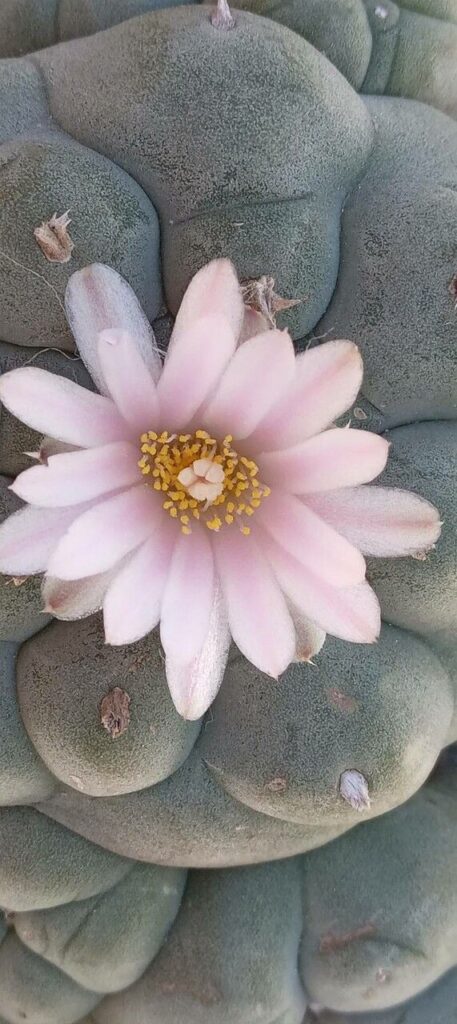
Unlocking the Secrets of Peyote Propagation: A Guide to Growing Lophophora williamsii
Lophophora williamsii, more commonly known as Peyote, is a small, spineless cactus with a rich history and a powerful presence. Native to the deserts of Mexico and southwestern Texas, this unassuming plant has been used for centuries in spiritual rituals by indigenous peoples. While its psychoactive properties are a major point of interest for some, the unique beauty and slow, rewarding growth of Peyote make it a fascinating subject for any plant enthusiast.
Growing Lophophora williamsii from seed can be a challenging but ultimately rewarding endeavor. Let’s explore the two main propagation methods for this intriguing cactus:
1. From Seed: A Test of Patience and Precision
Growing Peyote from seed is the most common and arguably rewarding method. However, it requires patience, as these cacti are notoriously slow-growing. Here’s what you need to know:
- Sourcing Seeds: Acquire seeds from reputable sources to ensure viability. Due to conservation concerns and legal restrictions surrounding Peyote, ethical sourcing is crucial.
- Sowing the Seeds: Use a well-draining, mineral-rich soil mix specifically designed for cacti and succulents. Surface sow the seeds, barely pressing them into the moistened substrate.
- Creating a Humid Environment: Cover the seed tray with a clear lid or plastic wrap to create a warm, humid environment crucial for germination. Place the tray in a brightly lit area, out of direct sunlight.
- Germination: Be patient! Peyote seeds can take several weeks to months to germinate. Ensure the soil remains lightly moist but not waterlogged.
- Transplanting Seedlings: Once seedlings develop a strong root system and are large enough to handle, they can be carefully transplanted into individual pots.
2. From Offsets (Pups): A Quicker Route to Maturity
In some instances, mature Peyote cacti will produce small offsets, often referred to as “pups,” at their base. Propagating from pups is a faster alternative to starting from seed:
- Careful Removal: When the pup is about 1/3 the size of the parent plant, it can be carefully detached. Use a clean, sharp knife and ensure a clean cut.
- Callusing: Allow the cut surface of both the pup and parent plant to dry and callus over for a few days before proceeding.
- Potting the Pup: Plant the pup in a well-draining cactus mix, burying the callused end just below the soil surface.
- Watering: Water sparingly, allowing the soil to dry out completely between waterings.
General Peyote Care:
No matter the propagation method, providing proper care is essential for healthy Peyote growth:
- Light: Bright, indirect light is ideal. Direct sunlight, especially in hot climates, can scorch the cactus.
- Water: Water sparingly, allowing the soil to thoroughly dry between waterings. Overwatering is the most common cause of Peyote demise.
- Temperature: Peyote prefers warm temperatures (70-90°F or 21-32°C) during the growing season and cooler temperatures (50-60°F or 10-15°C) during winter dormancy.
- Fertilizer: Fertilize sparingly during the growing season with a diluted cactus fertilizer.
Growing Lophophora williamsii is a long-term commitment that requires meticulous attention to detail. However, the satisfaction of successfully propagating and nurturing this captivating cactus makes the journey truly worthwhile. Remember to research and understand the legal restrictions surrounding Peyote in your area before embarking on this rewarding cultivation adventure.