
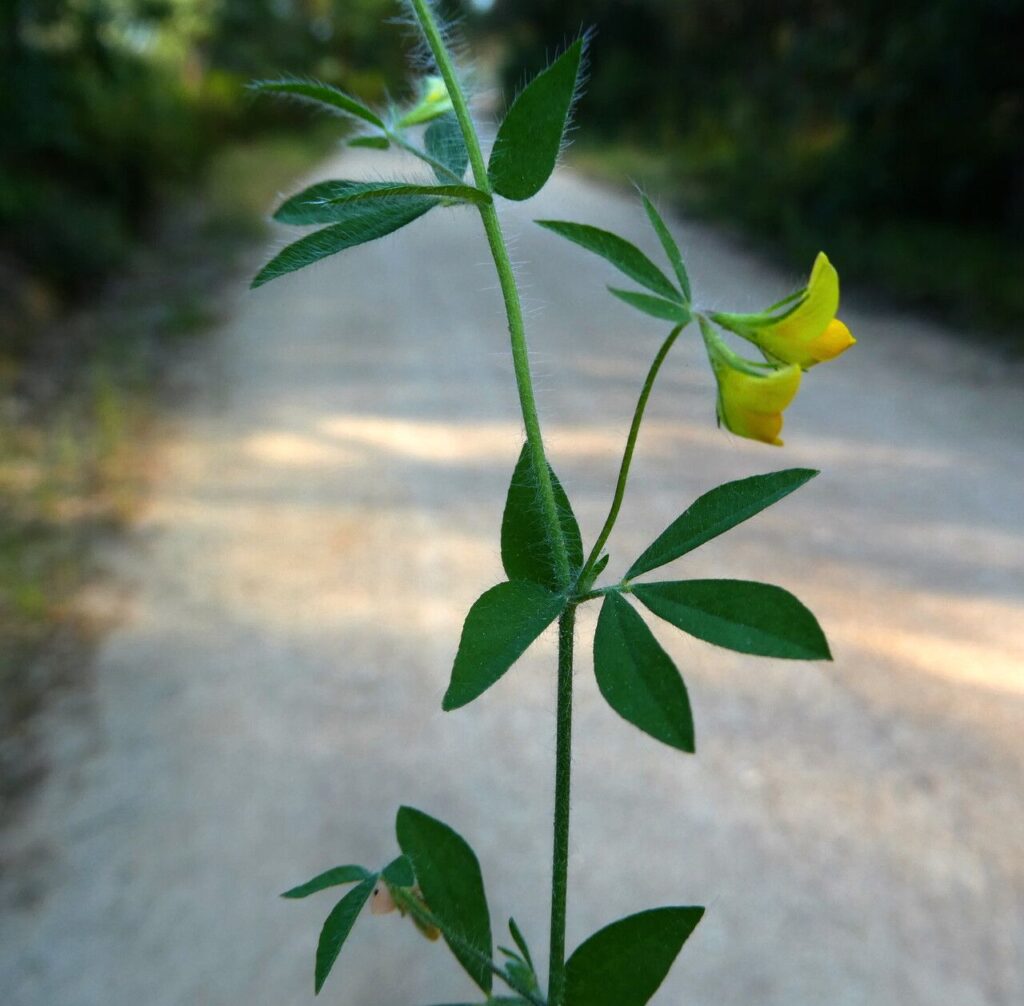
Unfurling the Secrets: How to Propagate the Delicate Slender Bird’s-foot Trefoil
The Slender Bird’s-foot Trefoil (Lotus angustissimus), with its enchanting name and delicate yellow blooms, might seem like a rare treasure best admired from afar. However, this charming plant, native to Europe, North Africa, and Western Asia, can be a delightful addition to your garden with a little bit of effort and some green-thumb magic. Today, we’re diving deep into the world of plant propagation and uncovering the secrets to successfully growing Lotus angustissimus.
Two Paths to Propagation: Seeds and Cuttings
Just like many other plant species, Lotus angustissimus can be propagated in two main ways: through seeds and cuttings. Both methods have their unique advantages and drawbacks, and the ideal choice for you will depend on your resources, patience, and preference.
1. Starting from Seed: A Journey of Patience and Reward
Propagating from seed offers the gratifying experience of witnessing the entire lifecycle of your Lotus angustissimus. While it requires a bit more patience, the sense of accomplishment is well worth the wait. Here’s what you need to know:
- Sourcing Seeds: Lotus angustissimus seeds can be a little tricky to find in regular garden centers. Your best bet is to search for reputable online seed suppliers specializing in wildflowers or native plants.
- Sowing the Seeds: Sow the seeds in the spring, directly into the ground or in seed trays filled with a well-draining seed starting mix. Gently press the seeds into the soil, ensuring they are barely covered.
- Providing Optimal Conditions: Lotus angustissimus prefers a sunny location with well-drained soil. Keep the soil consistently moist but not waterlogged. You should see seedlings emerge within 2-3 weeks.
- Thinning and Transplanting: Once your seedlings have developed a couple of sets of true leaves, thin them out, leaving the strongest ones in place. When they are large enough to handle, transplant them to their final location in the garden.
2. Propagating from Cuttings: A Faster Route to Success
If you’re looking for a quicker method, propagating from cuttings might be the way to go. This method utilizes the plant’s natural ability to regenerate from stem segments. Here’s how it’s done:
- Taking the Cuttings: In the spring or early summer, select healthy, non-flowering stems from an established Lotus angustissimus plant. Using a clean, sharp knife or pruning shears, take cuttings that are about 3-4 inches long, cutting just below a leaf node.
- Preparing the Cuttings: Remove the leaves from the lower half of each cutting. Dip the cut end in rooting hormone powder (optional but recommended) to encourage root development.
- Planting the Cuttings: Plant the cuttings in small pots filled with a well-draining potting mix. Make sure the bottom leaf nodes are buried in the soil.
- Providing Humidity: Cover the pots with a clear plastic bag or humidity dome to create a warm, humid environment, essential for successful rooting.
- Transplanting: After about 4-6 weeks, your cuttings should have developed roots. Gently tug on the cuttings to check for resistance, which indicates successful rooting. Once rooted, the cuttings can be transplanted into larger pots or directly into your garden.
A Rewarding Experience
Whether you choose to propagate Lotus angustissimus from seeds or cuttings, the process is an enriching experience, offering a deeper connection to the natural world and the magic of plant life. With a little patience and care, you can soon have a beautiful display of these delicate blooms gracing your garden, attracting pollinators, and bringing joy for seasons to come.