
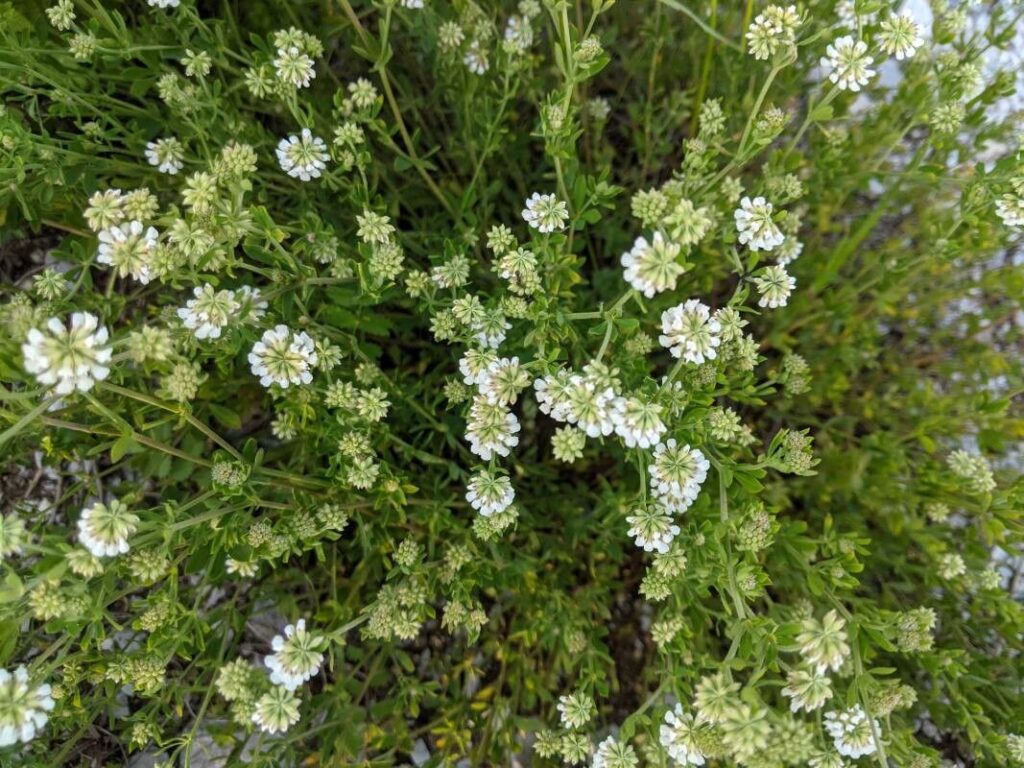
Unfurling the Magic: Propagating Bird’s-foot Trefoil (Lotus herbaceus)
Bird’s-foot trefoil, with its cheerful yellow blooms resembling tiny bird’s feet, is a charming addition to any garden. This tough little plant, scientifically known as Lotus herbaceus, is a nitrogen-fixing legume, naturally enriching the soil and attracting beneficial insects like bees and butterflies. But did you know you can easily multiply your patch of sunshine? Propagating Lotus herbaceus is relatively simple and rewarding, letting you share its beauty throughout your garden or with friends.
Here are the two most effective methods for propagating Lotus herbaceus:
1. Seed Propagation: Awakening Dormant Potential
- Seed Collection: Collect mature seed pods from your Bird’s-foot Trefoil plant in late summer or early fall. The pods will be brown and dry, readily splitting open to reveal small, dark seeds.
- Scarification (Optional): Lotus herbaceus seeds have a hard outer coating that can benefit from scarification, a process that gently scratches the surface to encourage water absorption and germination. You can achieve this by lightly rubbing the seeds between two pieces of sandpaper or nicking them with a nail clipper.
- Sowing: Sow seeds directly into prepared garden beds in the fall or early spring. Plant them about 1/4 inch deep in well-draining soil. Bird’s-foot trefoil prefers full sun to partial shade.
- Watering: Keep the soil consistently moist until seedlings emerge. Once established, Lotus herbaceus is relatively drought-tolerant.
- Thinning: If seedlings are crowded, thin them to about 6-12 inches apart to allow for proper air circulation and growth.
2. Division: Sharing the bounty
Dividing established plants is another effective way to propagate Bird’s-foot trefoil, especially for named cultivars you want to replicate precisely.
- Timing: The best time for division is in early spring or fall when the plant is dormant or just starting to sprout new growth.
- Lifting and Dividing: Gently dig up a healthy clump of Lotus herbaceus and shake off any excess soil. Using a sharp, clean knife or garden spade, divide the clump into smaller sections, ensuring each section has a good portion of roots and shoots.
- Replanting: Replant the divisions immediately in their desired locations, spacing them about 12-18 inches apart. Water thoroughly and keep the soil moist until the divisions establish themselves.
Tips for Success:
- Well-Draining Soil: Bird’s-foot trefoil thrives in well-drained soil. Amend heavy clay soil with compost or sand to improve drainage.
- Sunlight: While Lotus herbaceus tolerates some shade, it flowers best in full sun locations.
- Pest and Disease Resistance: This resilient plant is generally pest and disease-free, adding to its low-maintenance appeal.
- Beneficial Partnerships: As a nitrogen-fixing legume, Lotus herbaceus improves soil fertility, making it an excellent companion plant for other species in your garden.
Propagating Bird’s-foot Trefoil is a satisfying way to expand your garden’s beauty and attract beneficial pollinators. Whether you choose the rewarding journey of starting from seed or the instant gratification of division, Lotus herbaceus will reward your efforts with its cheerful presence for years to come.