
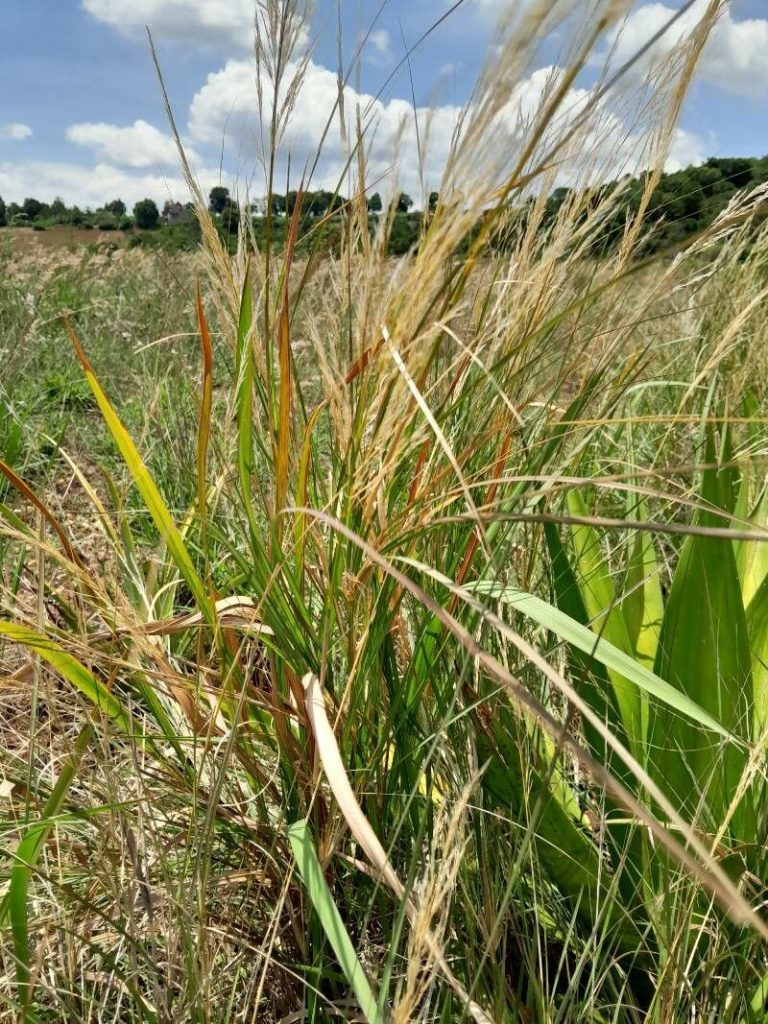
Propagating Loudetia simplex: A Gardener’s Guide to the Thatching Grass
Loudetia simplex, commonly known as thatching grass, is a striking ornamental grass prized for its upright, clump-forming habit and attractive, silvery-white seed heads that shimmer in the breeze. Its drought tolerance and adaptability make it a popular choice among gardeners seeking low-maintenance landscaping solutions, particularly in warmer climates. However, propagating this elegant grass presents unique challenges, making successful cultivation all the more rewarding.
Seed Germination:
Currently, there are no known reliable methods for seed germination propagation of Loudetia simplex. While seeds are produced, their germination rate is notoriously low, and success is largely unpredictable. Further research into specific germination requirements, such as scarification or light exposure, may be needed to explore this propagation method further.
Cuttings:
Propagating Loudetia simplex via cuttings presents a more viable option than seed germination. However, it’s not without its challenges.
Challenges: Successfully rooting cuttings requires precise timing and conditions. The ideal time for taking cuttings is during the actively growing season (spring or early summer). Using semi-hardwood cuttings (cuttings taken from slightly matured stems) generally yields better results than softwood cuttings.
Practical Tips: Take cuttings of approximately 10-15cm in length, removing the lower leaves to prevent rotting. Dip the cut ends in rooting hormone to stimulate root development. Plant the cuttings in a well-draining, moist propagation mix, ensuring good humidity (e.g., using a humidity dome or plastic bag). Keep the cuttings warm and in bright, indirect light.
Rewards: Successful propagation via cuttings provides a relatively quick way to increase the number of plants, preserving the genetic characteristics of the mother plant.
Division:
Dividing established clumps of Loudetia simplex is arguably the most reliable and successful method of propagation for home gardeners.
Challenges: This method requires an established, mature plant with sufficient clump size to allow for division without significantly stressing the mother plant or the newly divided sections. Improper division can weaken the plant and leave it susceptible to disease.
Practical Tips: The best time to divide is during spring or early autumn. Carefully dig up the entire clump, separating it into smaller sections, ensuring each section possesses healthy roots and foliage. Replant the divisions immediately, ensuring adequate spacing for growth. Avoid overwatering initially to allow the roots to recover.
Rewards: Division is a relatively simple and effective method leading to faster establishment of new plants compared to cuttings. It also results in good survival rates.
Tissue Culture:
Tissue culture offers the potential for large-scale propagation of Loudetia simplex, creating genetically identical plants.
Challenges: Tissue culture requires specialized equipment, sterile conditions, and expertise in plant tissue culture techniques. It is generally more expensive and time-consuming than other methods. Developing a successful protocol specific to Loudetia simplex might require significant experimentation.
Practical Tips: This method is best left to professional nurseries or research institutions with the required facilities and expertise.
Rewards: Large numbers of genetically identical plants can be produced rapidly, ideal for commercial purposes or research studies.
Conclusion:
Propagating Loudetia simplex presents a rewarding yet challenging endeavor. While seed germination is unreliable, cuttings offer a moderate level of success, while division remains the most practical method for home gardeners. Tissue culture represents a highly advanced, potentially large-scale, but specialized approach. The satisfaction of nurturing a small cutting or a section from a mature plant into a thriving stand of thatching grass more than compensates for the occasional setback. Don’t be discouraged by initial failures; persistence and attention to detail will ultimately lead to success in cultivating this beautiful ornamental grass. Begin with division, and if you desire significant propagation consider working with a nursery skilled in cuttings or possibly even tissue culture.