
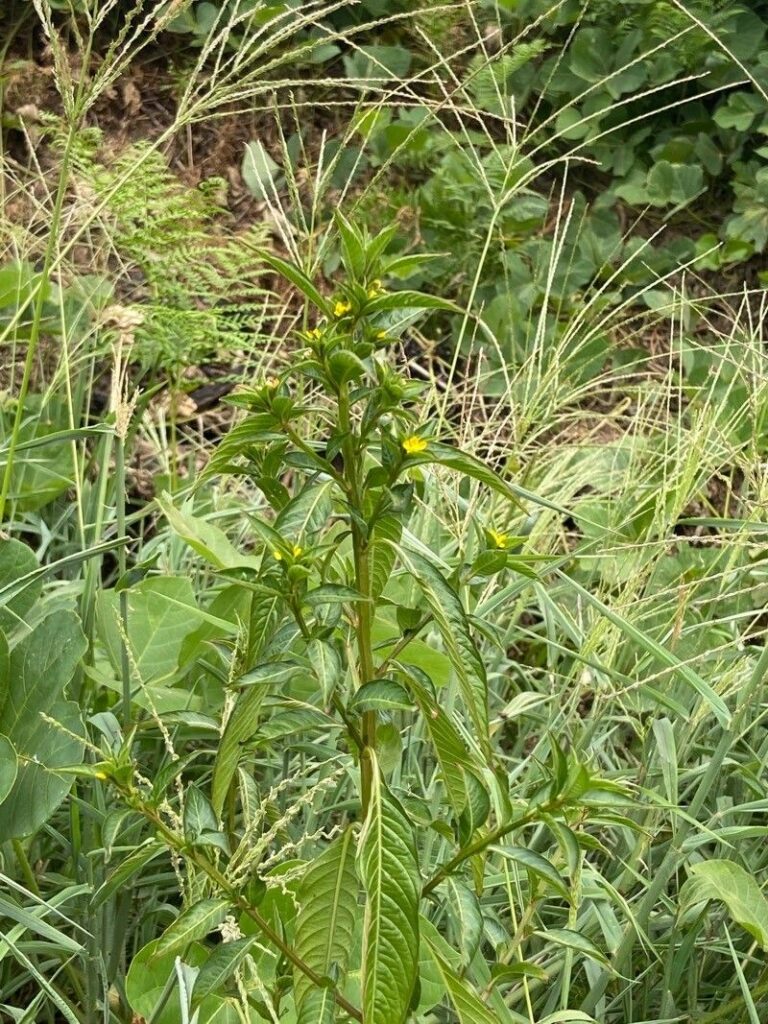
Multiply Your Marsh Seedbox: A Guide to Propagating Ludwigia hyssopifolia
Ludwigia hyssopifolia, also known as the Marsh Seedbox, is a vibrant aquatic plant prized for its delicate foliage and adaptability. While readily available in many specialty shops, propagating your own Ludwigia can be an incredibly rewarding experience. This guide will walk you through the process of multiplying your Marsh Seedbox, whether you’re an experienced green thumb or just starting out.
Understanding Ludwigia hyssopifolia
Before delving into propagation, let’s familiarize ourselves with this fascinating plant. Native to Southeast Asia, Ludwigia hyssopifolia enjoys a versatile nature, thriving both fully submerged in aquariums and emersed in bog gardens. Its leaves display fascinating transformations depending on their environment, ranging from narrow and lance-shaped underwater to broader, more rounded shapes above the water’s surface.
The Two Primary Methods of Propagation
Propagating Ludwigia hyssopifolia is surprisingly simple. This resilient plant readily reproduces through two main methods:
1. Cuttings:
This method is the most common and straightforward. Here’s a step-by-step breakdown:
- Choose a healthy stem: Select a robust stem with multiple nodes (small bumps where leaves emerge) and healthy leaves.
- Make the cut: Using sharp, sterilized scissors or a blade, make a clean cut just below a node, ensuring the cutting is at least 3-4 inches long.
- Remove lower leaves: Gently remove the leaves from the lower portion of the cutting, leaving only the top few pairs intact. This prevents rotting and encourages root development.
- Planting: You have two options:
- Directly in substrate: Plant the cuttings about an inch deep in a nutrient-rich substrate, ensuring at least one node is buried.
- Floating method: Float the cuttings in a shallow container filled with water until roots develop, then plant them in the substrate.
- Provide optimal conditions: Ensure ample light and maintain a stable temperature for optimal rooting.
2. Seeds:
While less common, propagating Ludwigia hyssopifolia from seeds offers a rewarding challenge. Here’s how:
- Seed collection: Collect ripe seed pods from mature plants. These pods typically turn brown and dry when ready.
- Seed preparation: Gently extract the tiny seeds from the pods and allow them to dry for a day or two.
- Sowing: Scatter the seeds onto the surface of a moist, nutrient-rich substrate. Do not bury the seeds, as they require light for germination.
- Humidity dome: Cover the tray or pot with a humidity dome or plastic wrap to create a warm, humid environment for germination.
- Patience is key: Seed germination can take several weeks.
Tips for Successful Propagation
- Sterilization is paramount: Always use sterilized tools to prevent the spread of diseases.
- Nutrient-rich substrate: Use a quality aquatic plant substrate or a mixture of sand and loam for optimal growth.
- Adequate lighting: Provide bright, indirect sunlight or use a grow light specifically designed for aquatic plants.
- Water quality: Maintain clean water with a suitable pH and minimal algae growth.
Enjoying the Fruits of Your Labor
With a little patience and the right conditions, propagating Ludwigia hyssopifolia can be a rewarding experience. You’ll soon have a lush abundance of these beautiful plants to adorn your aquarium, terrarium, or pond, all thanks to your own efforts! Remember, experimentation is key in gardening.