
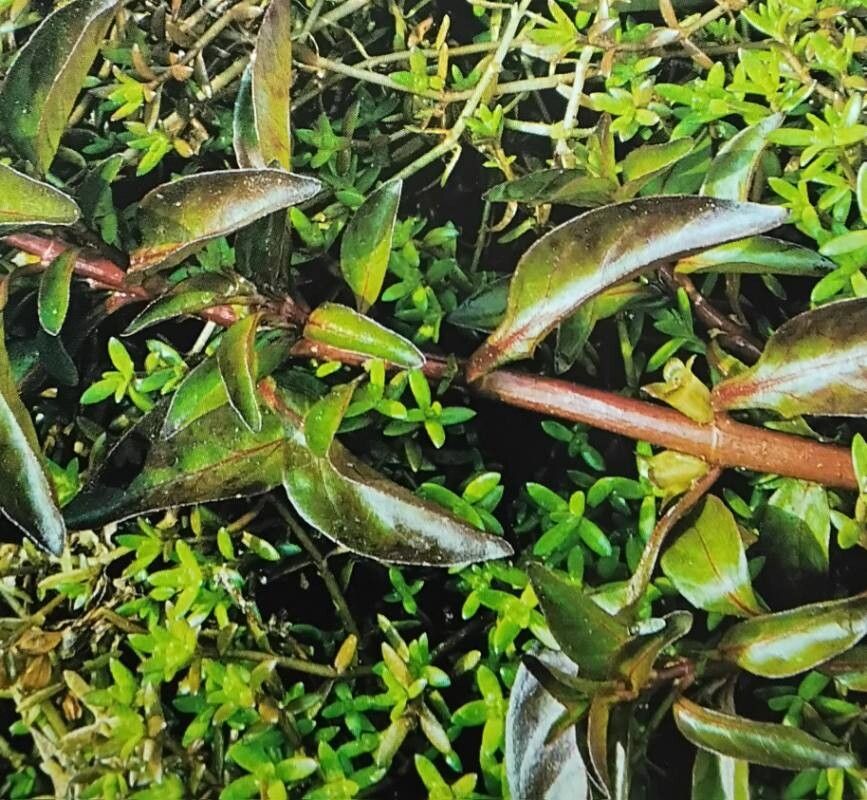
Propagating Ludwigia palustris: A Guide to Cultivating Marsh St. John’s-wort
Introduction:
Ludwigia palustris, commonly known as marsh St. John’s-wort, is a charming aquatic or semi-aquatic plant prized for its vibrant green foliage and adaptable nature. Its ability to thrive in various water depths and moist soils makes it a popular choice among aquascapers and pond enthusiasts. While relatively easy to maintain once established, propagating Ludwigia palustris presents some unique challenges and rewards, making it a rewarding project for the dedicated plant enthusiast. Its versatility in propagation methods offers opportunities for both small-scale home propagation and larger-scale cultivation.
Seed Germination:
Currently, there are no known reliable methods for seed germination propagation of Ludwigia palustris. While the plant does produce seeds, their viability and germination rates are reportedly very low. Further research into specific germination requirements, including potential stratification techniques or hormonal treatments, is needed to determine if seed propagation can be reliably achieved.
Cuttings:
This is the most commonly used and successful method for propagating Ludwigia palustris.
-
Challenges: While generally straightforward, success depends on providing the right conditions for root development. Rot can be a problem if cuttings are not properly prepared and planted.
-
Practical Tips: Take stem cuttings of approximately 8-10cm in length, removing lower leaves which would otherwise rot in the water or media. Plant directly into moist soil, aquatic substrate, or even float the cuttings on water to encourage root growth. Maintaining consistently high humidity, gentle warmth and bright, indirect sunlight enhances success. Regular water changes (if propagated in water) prevent the build up of harmful elements.
-
Rewards: Cuttings are relatively easy to root, offering a quick and reliable method for increasing plant numbers. This technique helps maintain the genetic characteristics of the parent plant.
Division:
Division is another effective technique, especially for established plants.
-
Challenges: Care must be taken to avoid damaging the roots and stems during separation. Each division should have a healthy root system to facilitate successful re-establishment.
-
Practical Tips: Carefully remove the plant from its pot or substrate. Gently separate the plant into smaller divisions, ensuring each section has sufficient roots and stems. Replant the divisions in suitable conditions, maintaining adequate moisture levels.
-
Rewards: Division is a quick way to multiply a large, healthy plant and may increase overall plant vigor. It’s less prone to failure than seed germination.
Tissue Culture:
Tissue culture offers the potential for large-scale propagation and disease-free plants.
-
Challenges: Tissue culture requires sterile conditions, specialized equipment, and a detailed knowledge of plant tissue culture techniques which may necessitate laboratory equipment. This limits the practicality for hobbyists and is expensive.
-
Practical Tips: Sterilization of the growing medium and equipment is paramount. Specialized culture media with plant growth regulators are necessary. The process would be conducted under sterile conditions in a laboratory or controlled environment.
-
Rewards: Tissue culture ensures the production of disease-free, genetically uniform plants in large quantities suitable for commercial cultivation.
Conclusion:
Propagating Ludwigia palustris presents unique challenges across all methods, but also significant rewards. While seed germination remains largely unexplored, vegetative propagation through cuttings and division offers reliable and relatively simple pathways to multiply this attractive plant. Tissue culture represents a high-tech solution offering large-scale potential though not accessible to the average gardener. The satisfaction of successfully cultivating Ludwigia palustris from a single cutting or division is all the more rewarding knowing the dedication and care required. Don’t be discouraged by the challenges; patience and careful attention to detail will greatly increase your chances of successfully propagating this beautiful aquatic plant. Experiment with the methods described, learn from your successes and failures, and enjoy the journey of cultivating this unique species.