
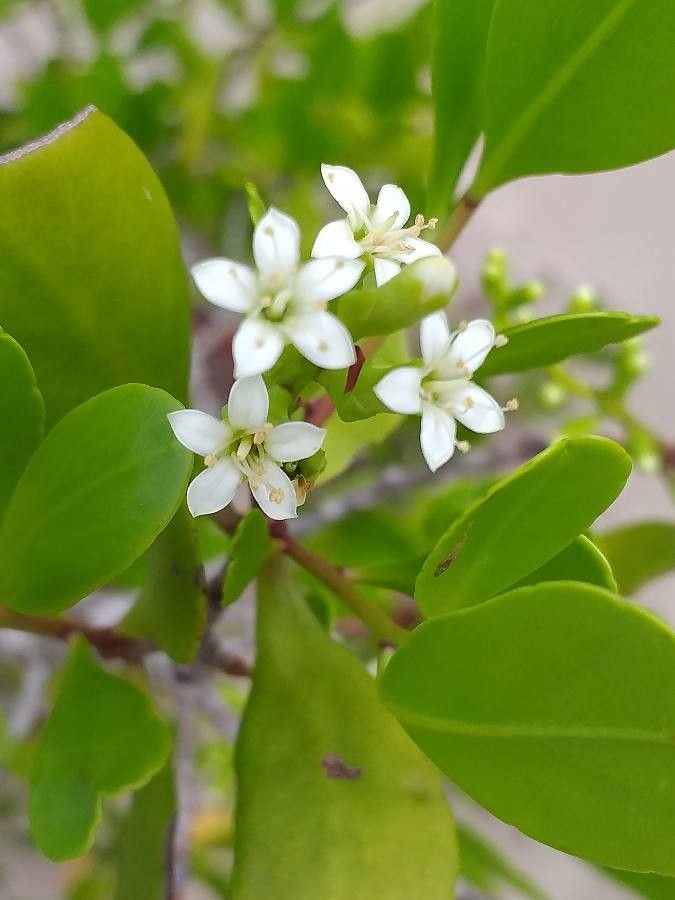
From Seed to Shore: Propagating the Mangrove Miracle – Lumnitzera racemosa
Lumnitzera racemosa, a mangrove species known for its vibrant reddish-brown bark and unique flowers, plays a vital role in coastal ecosystems worldwide. But beyond its ecological importance, Lumnitzera racemosa is a fascinating plant that can be propagated with a bit of patience and knowledge.
This blog post explores the world of Lumnitzera racemosa propagation, offering insights into its unique features and guiding you through the process. Whether you’re a passionate gardener looking to add a touch of coastal beauty to your landscape or a conservation-minded individual interested in restoring mangrove habitats, this guide will equip you with the necessary information.
Understanding Lumnitzera racemosa’s Nature:
Lumnitzera racemosa, also known as the “Black Mangrove,” is a hardy species adapted to the challenging conditions of saltwater environments. Its propagation methods reflect its unique adaptation.
Propagation Methods:
Lumnitzera racemosa can be propagated through two primary methods:
-
- Collecting Seeds: Look for mature fruits, which resemble small, pear-shaped pods, on the tree. The seeds within these pods are dispersed by water currents.
- Preparation: The seeds require a period of soaking in saltwater (approximately 24 hours) to break dormancy. This simulates the natural process of seed dispersal in the mangrove ecosystem.
- Sowing: Sow the seeds in a well-drained potting mix consisting of sand, loam, and compost. Keep the medium moist but not waterlogged.
- Germination: Germination can take several weeks to a few months. Consistent moisture and warmth are crucial factors in promoting successful germination.
- Cuttings Propagation:
- Picking Cuttings: Select healthy, young shoots from the tree, ensuring they are about 6-8 inches long. Make a clean cut just below a node (the point where leaves grow) and remove any leaves below the waterline.
- Treating Cuttings: Dip the cut end in a rooting hormone to encourage root development.
- Planting: Plant the cuttings in a well-drained potting mix composed of sand and peat moss.
- Care: Maintain a humid environment by covering the cuttings with a plastic dome or bag. Keep the potting mix moist but not saturated. Rooted cuttings may take several weeks to a few months to develop.
Key Considerations for Success:
- Environmental Conditions: Lumnitzera racemosa thrives in warm, humid conditions.
- Light and Temperature: Provide the seedlings or cuttings with ample sunlight (at least 6 hours per day) and consistent warm temperatures.
- Water Quality: Use saltwater (ideally with a salinity level similar to the mangrove’s natural habitat) for irrigation.
- Patience: Lumnitzera racemosa takes some time to establish itself, so patience is key to successful propagation.
Conservation and Restoration:
Propagating Lumnitzera racemosa contributes to protecting and restoring precious mangrove ecosystems. These vital coastal habitats serve as nurseries for marine life, provide protection from erosion, and play a role in carbon sequestration.
Conclusion:
With the right approach, propagating Lumnitzera racemosa is a rewarding experience that allows you to participate in coastal conservation efforts. By understanding its unique adaptations and following the guide outlined above, you can cultivate this fascinating mangrove species and contribute to the health of our planet’s vibrant coastal ecosystems.