
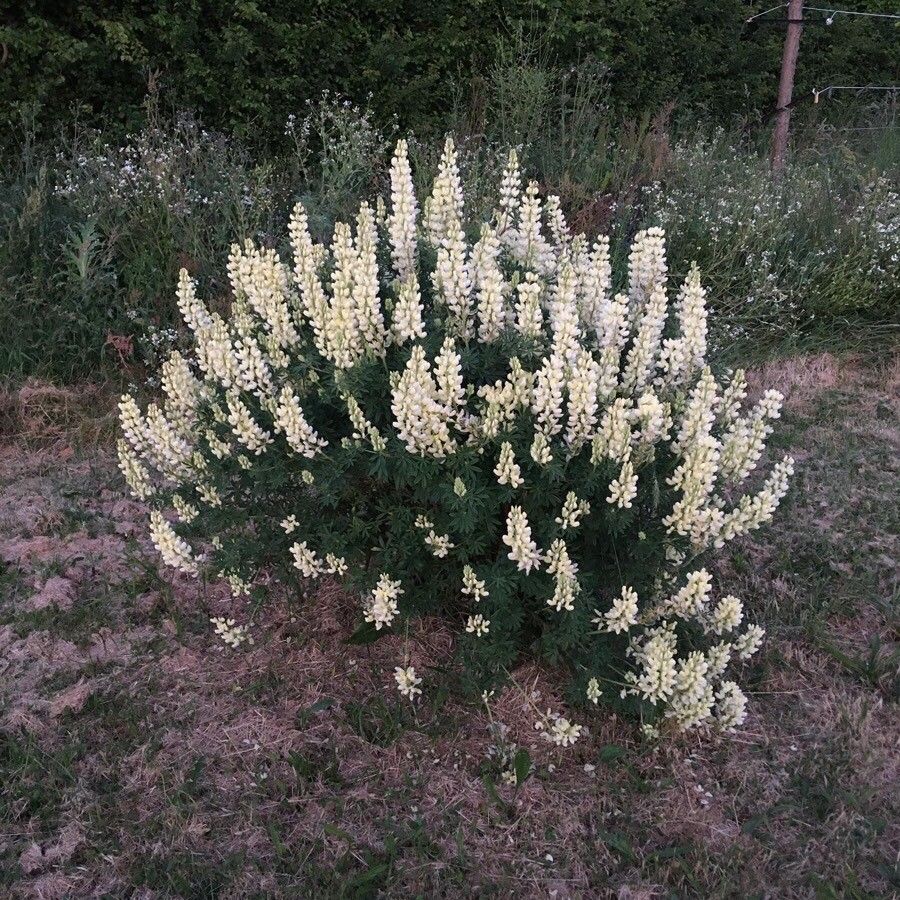
Taming the Wild Beauty: Propagating Yellow Bush Lupine from Seed and Cutting
The Yellow Bush Lupine (Lupinus arboreus) is a sight to behold, with its vibrant yellow flowers cascading like waterfalls against a backdrop of silvery-green foliage. Native to California, this fast-growing evergreen shrub can reach impressive heights, adding a touch of wild beauty to any garden. But did you know that propagating this stunning plant is easier than you might think? Whether you’re starting from seed or taking cuttings, let’s explore the world of Lupinus arboreus propagation.
The Magic of Seeds:
Propagating Lupinus arboreus from seed is an adventure in patience and reward. While it requires a bit more time than cuttings, it’s a fulfilling process:
Collecting Seeds: The best time to gather seeds is in late summer or early fall, after the flowers fade and seed pods mature. Look for brown, papery pods and gently crack them open to reveal small, round seeds.
Pre-treatment Trick: Lupine seeds have a hard outer coating that can hinder germination. To give them a head start, employ one of these pre-treatment methods:
- Scarification: Lightly rub the seeds between two pieces of sandpaper to nick the outer layer.
- Hot Water Soak: Place the seeds in a heat-safe container and pour boiling water over them. Let them soak overnight.
Sowing the Seeds: In spring or fall, sow the seeds individually in small pots filled with a well-draining seed starting mix. Bury them about ¼ inch deep and keep the soil consistently moist but not waterlogged.
- Patience is Key: Germination can take anywhere from a few weeks to a couple of months. Once the seedlings have a few sets of true leaves, you can transplant them into larger pots or directly into the garden.
Fast-Tracking with Cuttings:
For quicker results and a head start on blooms, propagating from cuttings is the way to go:
Timing is Everything: The ideal time for taking cuttings is in late spring or early summer when new growth is abundant.
Selecting the Perfect Cutting: Choose a healthy, non-flowering stem that is about 4-6 inches long. Make a clean cut just below a leaf node.
Preparing the Cutting: Remove the lower leaves, leaving only a couple of pairs at the top. You can dip the cut end in rooting hormone powder to encourage faster root development, though it’s not strictly necessary.
Planting the Cutting: Stick the cutting into a pot filled with a well-draining potting mix, burying the bottom node. Keep the soil consistently moist.
- Nurturing New Roots: Place the pot in a bright location but out of direct sunlight. After a few weeks, gently tug on the cutting – resistance indicates root development.
Caring for Your New Lupine Progeny:
Whether you choose seeds or cuttings, caring for your young Lupinus arboreus is crucial:
- Sunlight and Soil: These beauties thrive in full sun to partial shade and prefer well-drained, slightly acidic soil.
- Watering Wisely: Water regularly, especially during dry spells, but avoid overwatering as it can lead to root rot.
- Pinching for Bushiness: Pinch back the growing tips of young plants to encourage bushier growth and more abundant flowering.
With a little patience and care, you can easily propagate your own stunning Yellow Bush Lupine. Soon, your garden will be adorned with these captivating beauties, attracting pollinators and adding a touch of wild charm to your outdoor haven.