
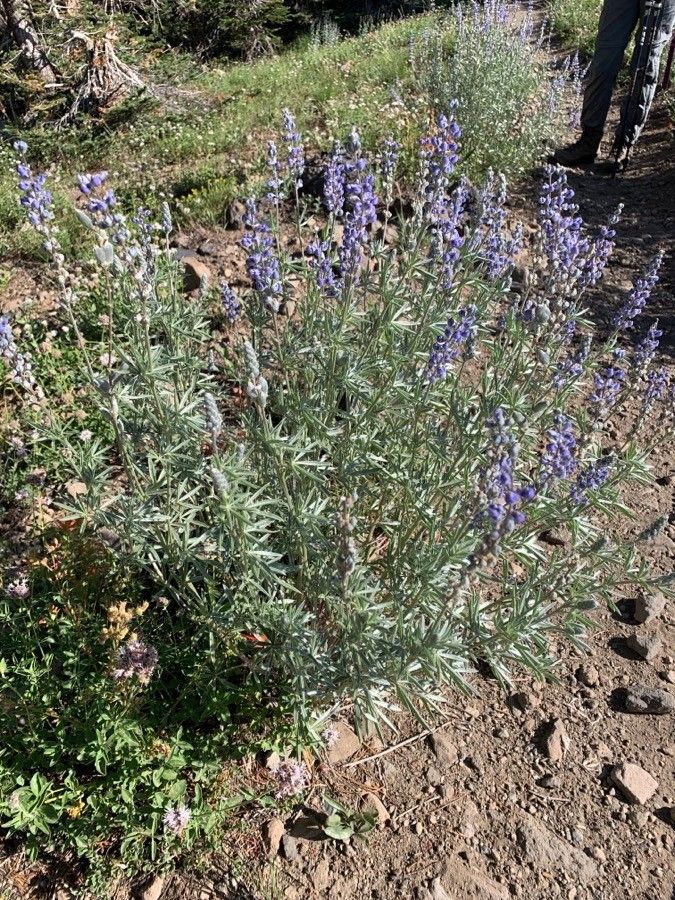
Unleash the Silver: Propagating the Elegant Lupinus argenteus
Lupinus argenteus, more affectionately known as the silvery lupine, is a sight to behold. This North American native boasts tall stalks adorned with stunning spikes of bluish-purple flowers, all delicately framed by silvery-green foliage. While admiring these beauties in the wild is a treat, why not invite their charm into your own garden? Propagating Lupinus argenteus, though it requires a little patience, is a rewarding endeavor for gardeners of various levels. Let’s explore the two main methods:
1. Seed Germination: A Dance with Dormancy
-
Timing is Key: The ideal time to sow Lupinus argenteus seeds is either in the fall or early spring, taking advantage of the natural chilling period they crave.
-
Breaking the Sleep: Lupinus argenteus seeds possess a hard seed coat and a period of dormancy, which needs to be gently overcome. You can achieve this through scarification, a process of slightly damaging the seed coat. Gently rubbing the seeds between sandpaper or nicking them with a nail clipper will suffice.
-
Sowing the Seeds: Choose a well-draining seed starting mix and sow the seeds about ¼ inch deep. Keep the soil consistently moist but not waterlogged.
-
Patience is a Virtue: Germination can be a bit erratic, taking anywhere from a few weeks to a couple of months. Don’t lose hope! A warm spot (around 70°F) and indirect sunlight will encourage quicker germination.
- Transplanting Time: Once seedlings develop a couple of true leaves, they are ready to be transitioned to larger pots or directly into the garden after the last frost. Ensure they are spaced about 1-2 feet apart to accommodate their mature size.
2. Cuttings: Cloning Your Favorites
-
Best Time for Snipping: The optimal time for taking Lupinus argenteus cuttings is in the spring, just as new growth emerges.
-
Selecting the Right Cuttings: Look for healthy, non-flowering stems. Each cutting should be approximately 4-6 inches long and taken just below a leaf node (where the leaf attaches to the stem).
-
Encouraging Root Development: Remove the lower leaves from the cutting, leaving only a few at the top. Dip the cut end in rooting hormone (optional but recommended) and plant it in a well-draining potting mix.
-
Creating a Humid Haven: Cover the pot with a plastic bag or a humidity dome to create a warm and moist environment. This will encourage faster root development. Make sure to vent the cover occasionally to prevent mold growth.
- Transplanting Time: After about 4-6 weeks, gently tug on the cutting. Resistance indicates successful rooting! Gradually acclimatize the rooted cutting to outdoor conditions before transplanting it to a permanent location.
Essential Lupinus Argenteus Care:
-
Sun Lovers, Shade Tolerant: These beauties thrive in full sun (6+ hours) but can tolerate partial shade, especially in hotter climates.
-
Well-Drained Soil is Key: Ensure proper drainage to prevent root rot, as Lupinus argenteus are susceptible to this issue.
-
Water Wisely: Water deeply but infrequently, allowing the soil to dry out slightly between waterings.
- Feeding for Flourishing: Fertilize sparingly in the spring with a balanced fertilizer. Avoid high-nitrogen fertilizers as they can result in lush foliage at the expense of blooms.
With a blend of patience and care, you can successfully propagate Lupinus argenteus and enjoy their exquisite beauty in your garden year after year. Not only will you be rewarded with stunning floral displays, but you’ll also be doing your part in supporting pollinators who adore their nectar-rich blooms.