
Propagating Luzula lactea: A Gardener’s Guide to the Milky Woodrush
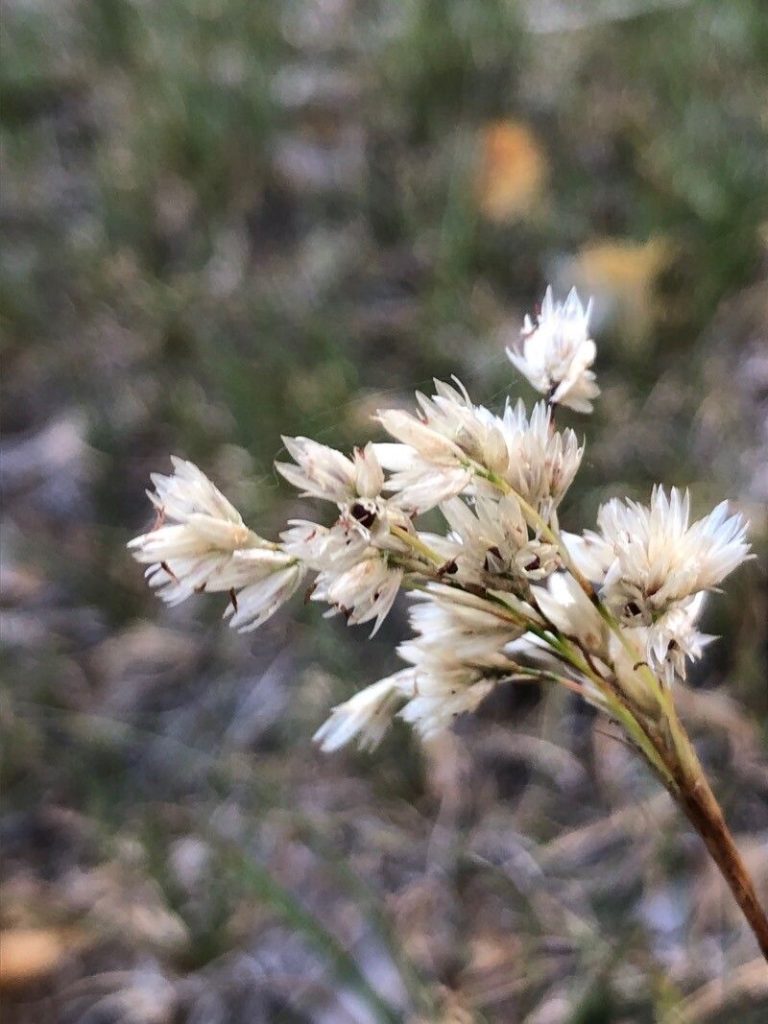
Luzula lactea, commonly known as Milky Woodrush, is a charming evergreen perennial prized for its delicate, milky-white flowers and elegant, grass-like foliage. Its ability to thrive in shade and its low-maintenance nature have made it a popular choice among gardeners seeking groundcover or an attractive addition to woodland gardens. However, propagating this beauty can present some unique challenges. This article explores various propagation methods, weighing their successes and difficulties.
Seed Germination:
Currently, there are no known reliable methods for seed germination propagation of Luzula lactea. While the plant does produce seeds, their germination rate is notoriously low, and successful germination in a controlled environment has not been consistently documented. Further research into specific germination requirements, including potential stratification techniques or the use of growth hormones, may prove fruitful in the future.
Cuttings:
Propagating Luzula lactea from cuttings is also generally considered unreliable. While some anecdotal evidence suggests that basal cuttings might be possible, the success rate remains low and inconsistent. The challenge lies in the plant’s relatively slow growth and the difficulty in rooting the cuttings. Attempts should be made in a humid environment with bottom heat, using a well-draining propagation mix. Even with optimal conditions, expect a long rooting time and a low success rate.
Division:
Division is the most reliable and recommended method for propagating Luzula lactea. This involves carefully separating established clumps of the plant into smaller sections, each containing healthy roots and shoots.
Challenges: The main challenge is ensuring each division has a sufficient root system to support its growth. Dividing too small sections will result in weak plants that struggle to establish themselves.
Tips: The best time to divide is in spring or early autumn. Use a sharp, clean knife or spade to divide the clump, ensuring that each section contains several healthy shoots and a good root mass. Plant the divisions immediately in a well-prepared, moist, but well-draining soil. Water thoroughly after planting.
Rewards: Division offers high success rates and produces genetically identical plants, preserving desirable traits. It is an efficient method for expanding existing stock.
Tissue Culture:
Tissue culture offers a potential avenue for large-scale propagation of Luzula lactea, although this method is technically demanding and requires specialized equipment and expertise.
Challenges: Establishing a sterile environment and selecting appropriate media and growth regulators are critical for success. The protocol would need to be carefully developed through experimentation, as there isn’t readily available information on Luzula lactea tissue culture.
Tips: Collaborating with a research institution or plant tissue culture laboratory with experience in propagating related species may be beneficial.
Rewards: Tissue culture offers the potential for rapid and large-scale propagation, facilitating conservation efforts and mass production for commercial horticulture.
Conclusion:
Propagating Luzula lactea presents unique challenges, with division being the most accessible and reliable method for home gardeners. While seed germination and cuttings have low success rates, understanding the difficulties and persistence can pay off. Tissue culture remains a promising avenue for future large-scale propagation, but requires specialized expertise. The rewards of successfully cultivating this charming plant, however, are worth the effort. The satisfaction of nurturing a tiny division into a thriving clump, or overcoming the hurdles of perfecting another propagation method, is a testament to the gardener’s dedication and patience. Don’t be discouraged by initial setbacks; experimentation and careful attention to detail will increase your chances of successfully propagating this beautiful plant.