
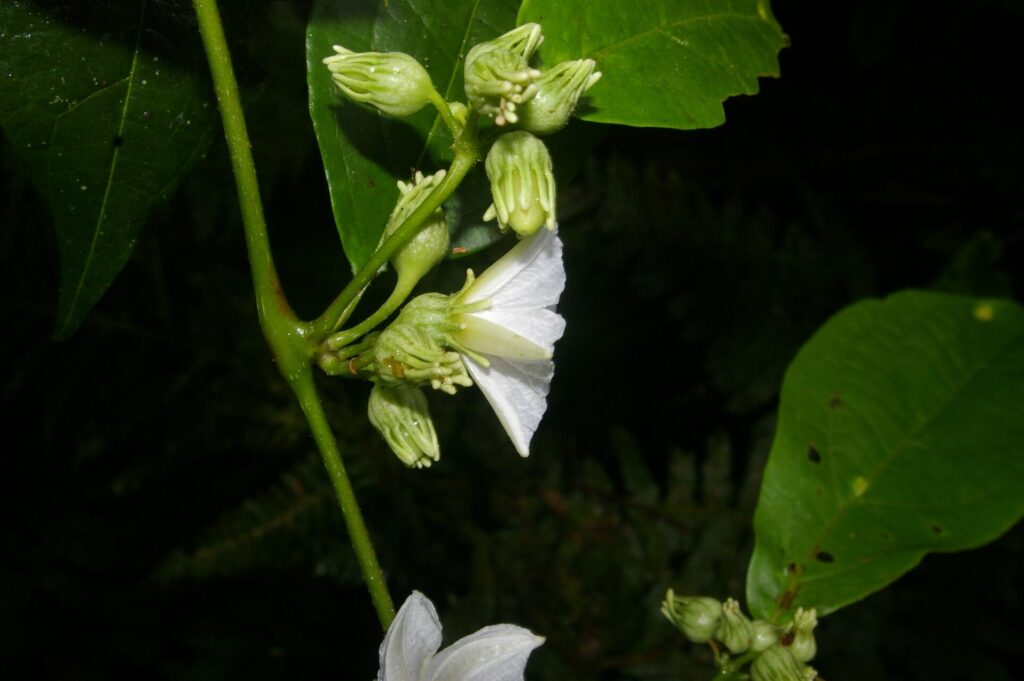
Unleashing the Magic of Lycianthes Pauciflora: A Guide to Successful Propagation
The Lycianthes pauciflora, with its vibrant purple blooms and captivating fragrance, is a plant destined to enchant any garden. But what if you could share this beauty with friends, family, or even fill your own space with more of its magic? That’s where propagation comes in – a rewarding process that allows you to create new plants from cuttings or seeds.
Taking the Cutting Route
For Lycianthes pauciflora, cuttings offer the most accessible method of propagation. Here’s how to make it happen:
- Timing is everything: The best time to take cuttings is during the plant’s active growth phase – typically during spring or early summer.
- Cut it right: Choose healthy stems that are at least 4-6 inches long and have several nodes (the points where leaves grow). Using sharp, clean pruning shears, make a clean cut just below a node.
- Prepare for rooting: Remove any leaves below the soil line. Dip the cut end into rooting hormone powder, which encourages root development.
- Plant it with care: Fill a pot with a well-draining potting mix and make a hole in the center large enough to accommodate the cutting. Gently insert the cutting, ensuring the nodes are buried in the soil.
- Maintain a humid environment: Cover the pot with a plastic dome or a plastic bag to retain moisture and create a humid environment. This mimics the natural environment of the plant and encourages root growth.
- Patience is key: Place the pot in a bright, indirect light location and resist the urge to check on the cutting frequently. It can take anywhere from 4 to 8 weeks for roots to develop.
- Transplanting success: Once new growth appears, gently remove the plastic cover. Acclimate the young plant to its new environment gradually before transplanting it to a larger pot or outdoor location.
The Seed Solution
While cuttings offer a quicker route, propagating Lycianthes pauciflora from seed is also possible. Here are the essential steps:
- Sourcing your seeds: Obtain fresh seeds from a reputable source, as older seeds can have reduced germination rates.
- Starting the seed: Sow the seeds in a seed tray or small pots filled with a seed-starting mix. Cover the seeds lightly with soil as they need darkness to germinate.
- Create a warm and humid environment: Place the seed tray or pots in a warm location with indirect sunlight. Ensure the soil remains consistently moist.
- Patience is a virtue: Seed germination can take several weeks, sometimes even longer. Keep the soil moist and the environment warm, and be patient.
- Thinning and transplanting: Once several true leaves develop, transplant the seedlings into individual pots.
Propagation Tips for Success
- Sterilize your tools: Always sterilize your cutting tools before and after use using a diluted bleach solution to prevent the spread of diseases.
- Use a well-draining potting mix: This ensures good drainage and prevents root rot.
- Provide ample light but avoid direct sunlight: Lycianthes pauciflora prefers bright, indirect light.
- Maintain humidity: A humid environment is crucial for successful rooting. You can achieve this through frequent misting or covering the pot with a plastic dome or bag.
- Be patient: Patience is key to successful propagation, as it can take several weeks for new plants to develop.
Sharing the Love
Propagating Lycianthes pauciflora is a rewarding experience that allows you to share the beauty of this unique plant with others. The journey from cutting or seed to a thriving, flowering plant is a testament to the resilience of nature and a testament to the joy of nurturing life.
So, embark on your propagation adventure and let the enchanting magic of Lycianthes pauciflora bloom in abundance, both in your garden and in the lives of those you share it with.