
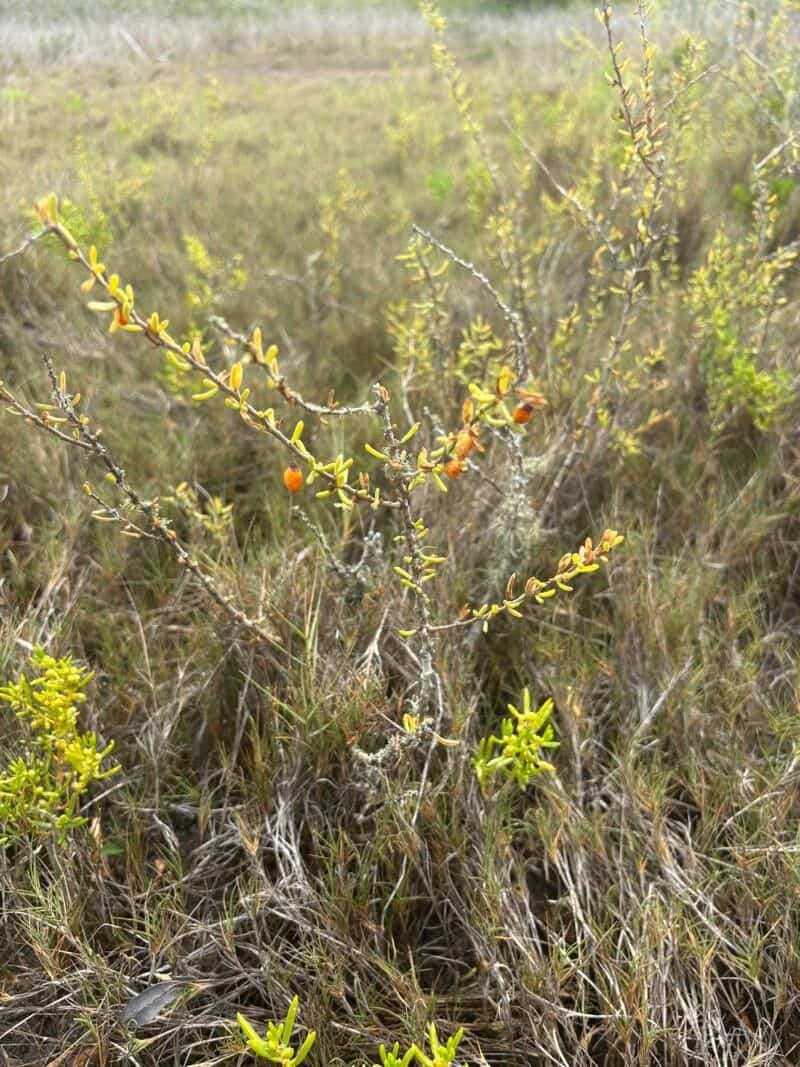
Carolina Wolfberry: Multiply Your Coastal Charm
The Carolina Wolfberry (Lycium carolinianum) is a captivating shrub native to the southeastern United States. With its delicate purple blooms, vibrant red berries, and ability to thrive in harsh coastal conditions, it’s a stunning addition to any seaside garden or arid landscape. If you’re looking to expand your wolfberry patch or share this resilient beauty with friends, propagation is surprisingly easy! Here’s a guide to multiplying your Carolina Wolfberry using three simple methods.
1. Seed Propagation: From Berry to Bounty
The most common method of propagating Carolina Wolfberry is through seeds. While this method requires a bit of patience, it allows for greater genetic diversity within your plants.
Steps:
- Seed Collection: In late summer or fall, collect ripe, bright red berries from the wolfberry bush.
- Seed Extraction: Gently crush the berries and wash away the pulp, revealing the small, brown seeds within. Allow the seeds to dry completely.
- Cold Stratification: Carolina Wolfberry seeds benefit from a period of cold stratification, mimicking natural winter conditions. Place the seeds in a moist paper towel, seal them in a plastic bag, and store them in the refrigerator for 6-8 weeks.
- Sowing: In spring, fill seed trays or pots with well-draining potting mix. Sow the stratified seeds about ¼ inch deep and lightly cover them with soil.
- Watering & Care: Keep the soil consistently moist but not waterlogged. Place the trays or pots in a warm, sunny location, ideally with bottom heat to encourage germination.
- Transplanting: After the seedlings develop a few sets of true leaves, transplant them into individual pots or your desired garden location.
2. Cutting Propagation: Cloning Your Coastal Beauty
For faster results and plants identical to the parent, propagation through cuttings is a reliable method.
Steps:
- Cutting Selection: In late spring or early summer, choose healthy, non-flowering stems from the current year’s growth. Ideally, the cutting should be 4-6 inches long.
- Cutting Preparation: Remove the leaves from the bottom third of the stem. Dip the cut end in rooting hormone powder to encourage root development.
- Planting: Plant the prepared cutting in a pot filled with a well-draining rooting mix (a mixture of perlite and peat moss works well).
- Creating a Humid Environment: Cover the pot with a clear plastic bag or use a propagation dome to trap moisture and maintain humidity.
- Watering & Care: Keep the rooting mix consistently moist. Place the cutting in a bright location out of direct sunlight.
- Transplanting: After several weeks, gently tug on the cutting to check for root development. Once the roots have formed, transplant the new plant into a larger pot or your desired garden location.
3. Layering: Encouraging Natural Root Development
Layering is another effective propagation method that utilizes the plant’s natural ability to develop roots from buried stems.
Steps:
- Branch Selection: In spring, choose a flexible, low-growing branch on the Carolina Wolfberry bush.
- Wound the Branch: Lightly wound the underside of the selected branch using a sharp, clean knife.
- Bury the Branch: Dig a shallow trench beneath the wounded area of the branch. Bury the wounded section about 3-4 inches deep, securing it with a landscape staple or rock.
- Watering & Care: Water the buried portion regularly, ensuring the soil remains moist.
- Separation: After several weeks, check for root development. Once roots have formed, carefully cut the layered branch from the parent plant and transplant it to its new location.
No matter your chosen method, propagating your Carolina Wolfberry is a rewarding experience. With a little effort and patience, you can multiply your coastal charm and enjoy the beauty of this remarkable plant for years to come.