
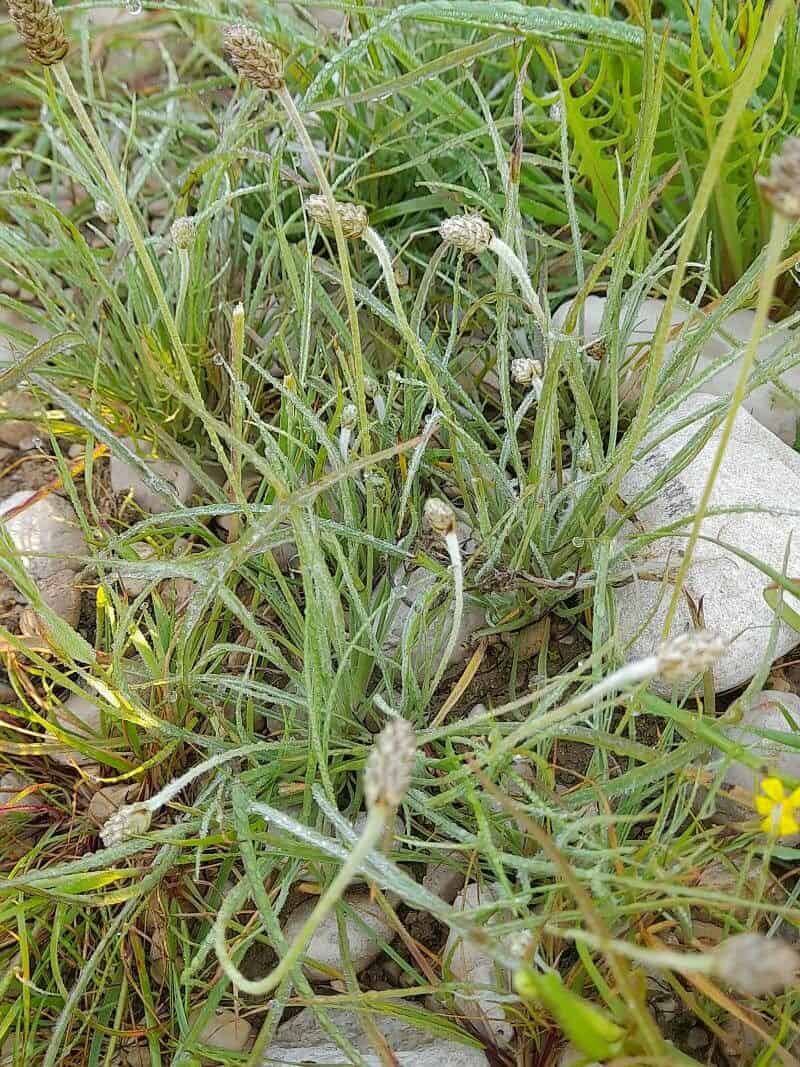
Unleash the Power of Psyllium: Growing Your Own Plantago ovata
Plantago ovata, better known as psyllium, is more than just a fiber supplement hiding in your medicine cabinet. This remarkable plant, with its delicate flowers and powerful seeds, can be cultivated right in your own backyard!
While you might not have heard of growing psyllium before, it’s a surprisingly easy process that rewards you with a natural source of this beneficial herb. Whether you’re a seasoned gardener or a curious beginner, this guide will equip you with the knowledge to successfully propagate Plantago ovata.
Understanding Plantago Ovata
Native to parts of Asia and the Mediterranean, Plantago ovata thrives in sunny, dry climates. This herbaceous annual is celebrated for its seed husk, which is a rich source of soluble fiber known to promote digestive health. But beyond its medicinal benefits, cultivating Plantago ovata can be a fascinating and rewarding gardening experience.
Two Paths to Propagation
You can grow Plantago ovata using two primary methods:
1. Seeds: This is the most common and straightforward method.
- Sourcing Seeds: Purchase psyllium seeds from reputable online retailers or garden centers. Make sure the seeds are specifically labeled for planting, as some commercially available psyllium is processed and not viable for germination.
- Sowing Time: Aim to sow your seeds outdoors after the last frost, typically in early spring. Plantago ovata enjoys full sun exposure but can tolerate partial shade.
- Soil and Sowing: Choose a well-drained soil mix. Sprinkle the seeds over the surface and lightly press them in, ensuring they are not buried deeply.
- Watering: Keep the soil consistently moist but not waterlogged. You should see germination within 1-2 weeks.
2. Seedlings: If you prefer a head start, consider starting your Plantago ovata indoors.
- Starting Indoors: Sow seeds in seed trays filled with a seed-starting mix 4-6 weeks before the last expected frost.
- Transplanting: Once the seedlings develop a couple of true leaves, and the risk of frost has passed, transplant them into larger pots or directly into your garden bed. Ensure they are spaced about 6-12 inches apart to allow for growth.
Caring for Your Plantago Ovata
Plantago ovata is a relatively low-maintenance plant:
- Watering: Water regularly during the initial growth stages, especially in dry weather. Once established, the plant is quite drought-tolerant.
- Fertilizing: While not mandatory, a light dose of balanced fertilizer can be applied once during the growing season to encourage healthy growth.
- Pests and Diseases: Generally, Plantago ovata is pest and disease-resistant. However, keep an eye out for common garden pests like aphids and slugs, and address any infestations promptly.
Harvesting the Goodness
After about 3-4 months, your Plantago ovata plants will start to flower and produce seed heads. You can harvest the seeds once the seed heads turn brown and dry:
- Seed Collection: Cut the seed heads and place them in a paper bag to dry completely. Once dry, gently shake or rub the seed heads to release the seeds.
- Storage: Store the collected seeds in an airtight container in a cool, dark place.
Beyond the Garden
Growing your own Plantago ovata offers a fulfilling experience and readily accessible supply of this potent herb. Experiment with different ways to incorporate this fiber powerhouse into your diet. Grind the seeds into psyllium husk powder for smoothies and baked goods, or enjoy them whole by soaking them in water to make a nutritious gel.
So, why not give Plantago ovata a try? Unleash your inner gardener and experience the joy of cultivating this unique and beneficial plant right in your own backyard.