
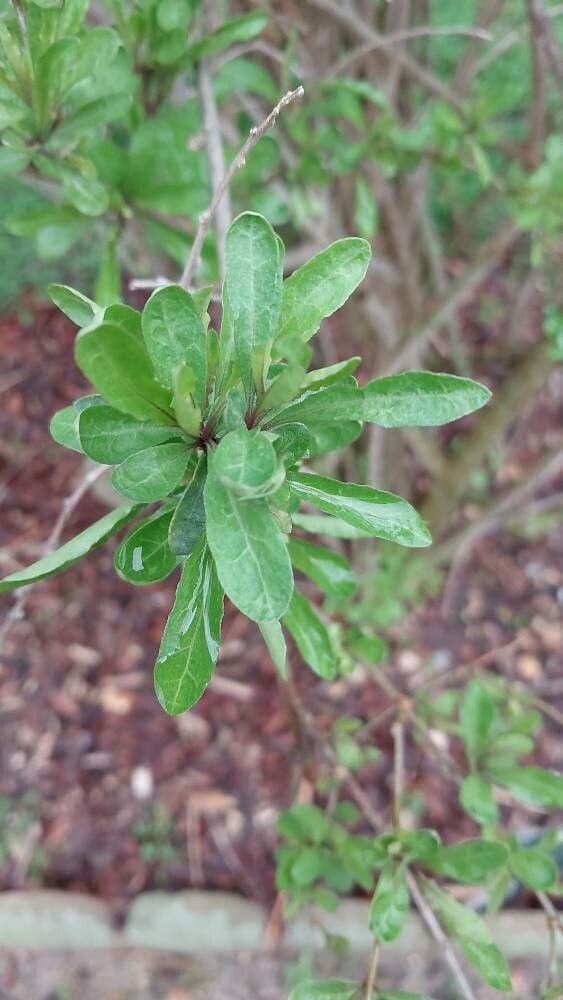
Propagating Lycium flexicaule: A Gardener’s Guide to the Flexible-Stemmed Boxthorn
Introduction:
Lycium flexicaule, also known as the flexible-stemmed boxthorn or sometimes as a type of “African boxthorn” (although this common name can be applied to several other Lycium species), is a spiny shrub prized for its attractive, often drooping, branches laden with delicate purple flowers and subsequently bright red berries. Horticulturally, it’s valued for its drought tolerance, adaptability to various soil types, and its overall aesthetic appeal, making it a popular choice for xeriscaping and wildlife gardens. However, its propagation presents unique challenges, making successful cultivation all the more rewarding.
Seed Germination:
Currently, there are no known reliable methods for seed germination propagation of Lycium flexicaule. While the plant produces seeds, germination rates are reportedly very low, and consistent success using seed propagation remains elusive. Further research into specific germination requirements, including potential stratification techniques and hormonal treatments, is needed.
Cuttings:
Cuttings offer a more reliable method for propagating Lycium flexicaule.
-
Challenges: The success rate depends on several factors, including the timing of the cuttings (ideally semi-hardwood cuttings in late spring/early summer), the use of rooting hormone, and maintaining appropriate humidity levels. The spiny nature of the plant can also make handling cuttings somewhat challenging.
-
Practical Tips: Take 4-6 inch cuttings from new growth, remove lower leaves, dip in rooting hormone, and plant in a well-draining propagating mix. Maintain high humidity using a propagation dome or plastic bag. Place cuttings in a bright location, but out of direct sunlight.
-
Rewards: Cuttings provide a relatively fast and simple way to increase the number of Lycium flexicaule plants and ensure genetic uniformity with the parent plant.
Division:
Division is a viable option, particularly for larger, established plants.
-
Challenges: This method is only feasible for mature plants with multiple stems and a well-developed root system. Care must be taken to avoid damaging the root structure during the division process.
-
Practical Tips: Carefully dig up the plant, gently separate the root ball into sections, ensuring each section has sufficient roots and stems. Replant the divisions immediately in well-prepared soil.
-
Rewards: Division provides a quick way to propagate multiple plants from a single, established individual.
Tissue Culture:
Tissue culture offers the potential for large-scale propagation and disease-free plants.
-
Challenges: This is a complex and specialized technique that requires sterile laboratory conditions and specialised expertise. Establishing a reliable protocol for Lycium flexicaule tissue culture would require significant research and development.
-
Practical Tips: This method is generally not practical for home gardeners. It requires specialized equipment, media, and aseptic techniques.
-
Rewards: Once a successful protocol is established, tissue culture allows for rapid multiplication and reliable propagation of large numbers of genetically identical plants, providing disease-free stock and enabling conservation efforts.
Conclusion:
Propagating Lycium flexicaule presents distinct challenges depending on the chosen method. Seed germination remains problematic, rendering cuttings and division the most practical options for the home gardener. While tissue culture holds immense potential for large-scale propagation and conservation, it’s beyond the realm of most amateur cultivators. The difficulty in propagation, however, adds a layer of satisfaction to successfully cultivating this beautiful and resilient shrub. The rewards of nurturing a cutting to maturity or successfully dividing a mature plant are substantial, a testament to the gardener’s skill and patience, offering a unique sense of accomplishment. For aspiring propagators, we recommend starting with cuttings as a more accessible and reliable method, remembering consistent care and vigilance are key to success.