
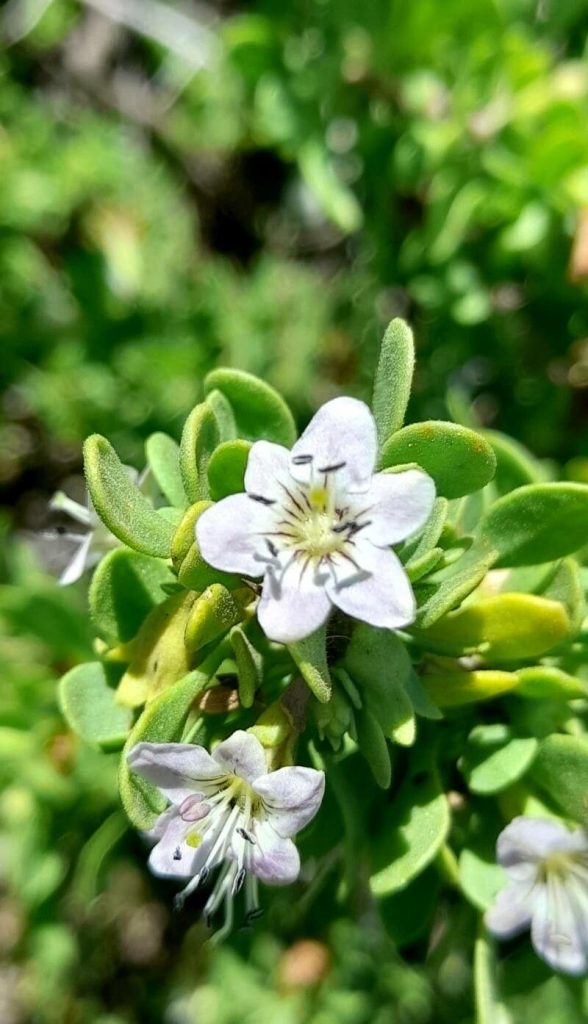
Propagating Lycium tenuispinosum: A Guide to Growing the Slender-Spined Boxthorn
Introduction:
Lycium tenuispinosum, commonly known as the slender-spined boxthorn, is a relatively low-maintenance shrub prized for its delicate, spiny branches, small purple flowers, and attractive red berries. Its drought tolerance and adaptability make it popular among gardeners seeking low-water landscaping options. While not as widely cultivated as some other Lycium species, its unique characteristics and potential for use in erosion control and wildlife habitat restoration are driving increased interest in its propagation. This article explores various methods for propagating Lycium tenuispinosum, outlining the challenges and rewards associated with each.
Seed Germination:
Currently, there are no known reliable methods for seed germination propagation of Lycium tenuispinosum. While seeds may be produced, germination rates are extremely low, even under optimal conditions. Research into successful germination techniques is needed.
Cuttings:
- Viability: Cuttings present a more viable method for propagating Lycium tenuispinosum.
- Challenges: Success depends greatly on timing and technique. Hardwood cuttings taken in late autumn or dormant cuttings taken in winter are generally preferred. The use of rooting hormone significantly improves success rates. Proper moisture retention is crucial to prevent desiccation before rooting occurs.
- Practical Tips: Take cuttings of about 10-15 cm long, removing lower leaves. Dip the cut ends in rooting hormone powder. Plant in a well-draining propagation mix, keeping the mix consistently moist (not waterlogged). Cover with a humidity dome or plastic bag to maintain high humidity. Rooting usually takes several weeks to months. Use a bottom heat mat to encourage root development.
- Rewards: Cuttings offer a rapid method to produce genetically identical plants, preserving desirable traits. It’s a relatively simple and cost effective method compared to tissue culture.
Division:
- Viability: Division is possible for established, mature plants of Lycium tenuispinosum.
- Challenges: This method is invasive, requiring significant disturbance to the root system of the parent plant, which can lead to stress and potential damage. Successful division relies on carefully separating the root ball to ensure each section contains healthy roots and sufficient shoots.
- Practical Tips: Divide the plant during the dormant season (winter) after carefully digging up the entire root ball. Use a sharp, clean spade or knife to cleanly separate sections, aiming for each division to have its own root system and several stems. Re-plant the divisions immediately in suitable soil, ensuring proper watering and care.
- Rewards: Division provides a reliable method for increasing the number of plants quickly, and minimizes the need for extensive propagation setup.
Tissue Culture:
- Viability: Tissue culture, though more complex and resource-intensive, offers a very promising avenue for large-scale propagation of Lycium tenuispinosum.
- Challenges: Requires a sterile laboratory environment, specialized equipment, and expertise in plant tissue culture techniques. Developing optimal media formulations for shoot multiplication and rooting is crucial and may require substantial experimentation.
- Practical Tips: Start by obtaining healthy shoot tips or nodal segments from a disease-free mother plant. Sterilize the explants and culture them in a suitable nutrient medium under controlled environmental conditions. Regular subculturing is necessary to maintain growth and prevent contamination. Following shoot multiplication, the plantlets need to be rooted in a separate rooting medium before acclimatization to greenhouse conditions.
- Rewards: Tissue culture allows for the rapid production of a large number of genetically uniform plants from a single mother plant, offering significant potential for large-scale planting projects and commercial propagation.
Conclusion:
Propagating Lycium tenuispinosum presents unique challenges and rewards. While seed propagation is currently unreliable, cuttings and division offer relatively straightforward albeit time-consuming options for the home gardener. Tissue culture holds the key to large-scale propagation but requires specialized skills and resources. The satisfaction of successfully cultivating this intriguing plant, after navigating the hurdles of propagation, is immense. For the aspiring propagator, patience, attention to detail, and a willingness to experiment are essential ingredients for success. Remember to research specific local conditions and adapt techniques accordingly. The rewards of a thriving Lycium tenuispinosum are well worth the effort!