
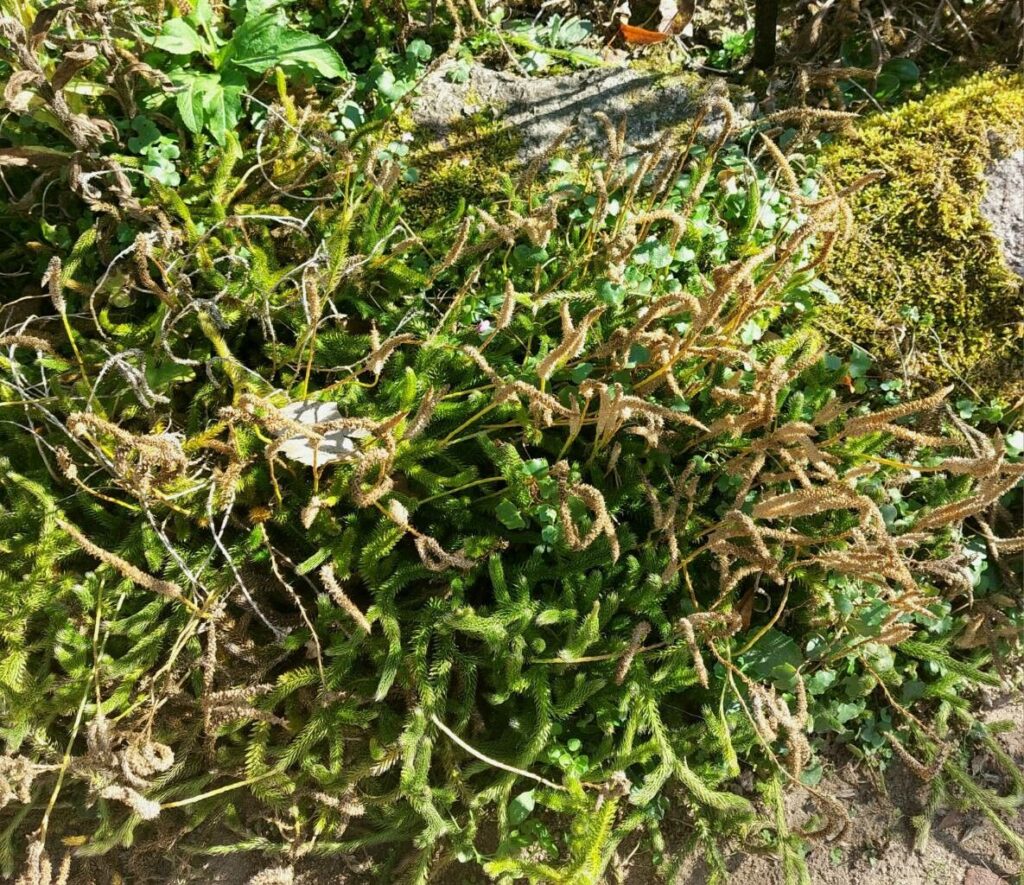
Unraveling the Mystery: How to Propagate Lycopodium clavatum (Clubmoss)
Lycopodium clavatum, more commonly known as clubmoss, is a fascinating plant that adds a touch of ancient charm to any garden. Its distinctive trailing stems and unique cone-like structures have captured the attention of plant enthusiasts for centuries. But did you know that this seemingly delicate plant can be surprisingly easy to propagate?
In this blog post, we’ll dive into the world of Lycopodium clavatum propagation, unraveling the secrets of growing new plants from this ancient species.
The Magic of Spores:
Unlike many plants, clubmosses don’t rely on seeds for reproduction. Instead, they produce spores, tiny dust-like particles housed within the cone-like structures called strobili. These spores, once released, can germinate under the right conditions to create new life.
Propagating with Spores:
While propagation through spores is possible, it requires a bit of patience and a knack for mimicking the delicate natural conditions.
- Collecting the Spores: When the strobili turn a pale yellow, they are ready to release their spores. Carefully collect the strobili and store them in a paper bag until they dry completely.
- Preparing the Spore Medium: A mix of peat moss and sand, in a ratio of 1:1, provides ideal conditions for spore germination. Sterilize the mixture in the oven for about 30 minutes to eliminate any potential fungal or bacterial infections.
- Sowing the Spores: Sprinkle the spores evenly over the surface of the sterilized mixture. Avoid pressing them into the soil, as they need light to germinate.
- Creating the Right Environment: Cover the container with a transparent plastic wrap to maintain a humid environment. Place the container in a shady area, with temperatures between 65°F – 75°F (18°C – 24°C).
- Patience is Key: Spore germination can take several weeks, even months. Maintain a consistent temperature and humidity level, and be patient.
The Simplicity of Division:
For those seeking a more direct and immediate propagation method, the division technique is a viable option.
- Choosing the Right Time: Spring and early summer are ideal times for dividing mature Lycopodium clavatum plants.
- Carefully Dividing the Plant: Gently lift the plant out of its container or from the ground. Use a sharp, clean knife or pair of pruning shears to carefully divide the plant into smaller portions, ensuring each piece has healthy roots and stems.
- Repotting and Care: Plant the divided portions into a suitable potting mix or directly in the ground. Water them well and provide a shaded, humid environment.
Key Considerations for Success:
While the methods discussed above offer viable paths to propagate Lycopodium clavatum, the plant’s specific needs should be carefully considered:
- Humid Environment: Clubmosses thrive in humid conditions. Regularly misting the plant or placing the pot on a tray filled with pebbles and water can help maintain the necessary moisture levels.
- Light Requirements: These ancient plants prefer shady to semi-shaded areas. Avoid direct sunlight, as it can scorch their delicate leaves.
- Soil Preferences: Well-drained, acidic soil with a pH range of 4.5 to 6.0 is ideal for Lycopodium clavatum.
Embracing the Ancient Charm:
Propagating Lycopodium clavatum is a rewarding experience, offering the chance to share the beauty of this ancient plant with others. Whether you choose the spore method or go with division, remember to be patient and provide the plant with the ideal conditions for success.
With a little dedication, you can witness the captivating life cycle of clubmoss and experience the joy of sharing its unique and timeless appeal.