
Propagating Lycopodium complanatum: Challenges and Rewards of Cultivating the Trailing Clubmoss
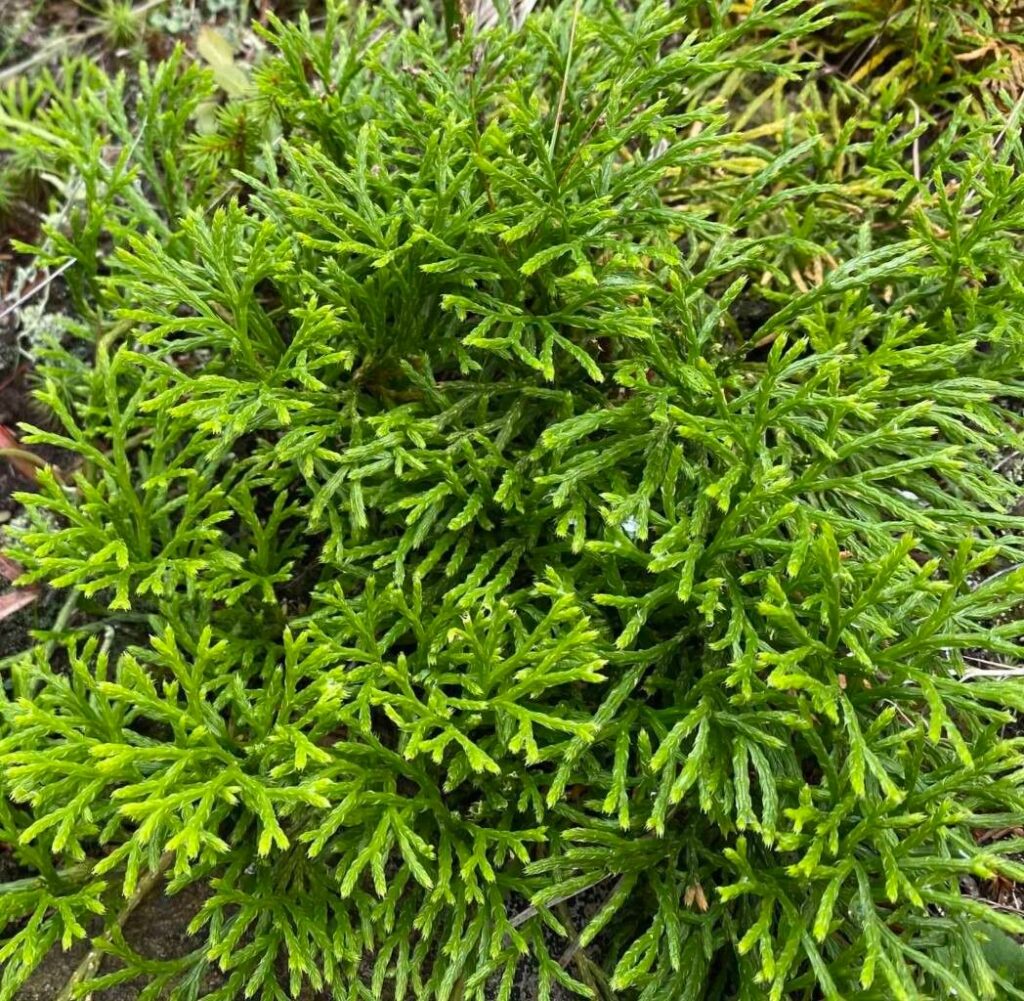
Lycopodium complanatum, also known as the trailing clubmoss or running cedar, is a fascinating evergreen groundcover prized for its delicate, fern-like foliage and ability to create a lush, textured carpet in shaded gardens. Its unique appearance and relatively low-maintenance nature have earned it a place in the hearts of many gardeners, but propagating this species presents unique challenges. Its reproductive strategies and slow growth rate require patience and a nuanced approach.
Seed Germination:
Currently, there are no known reliable methods for seed germination propagation of Lycopodium complanatum. While the plant does produce spores, their germination requirements remain largely unknown and unsuccessful attempts to cultivate them from spores are prevalent within the horticultural community. Further research into specific germination stimuli and media might be needed to unlock this potential propagation method, potentially offering considerable genetic diversity in the long term.
Cuttings:
Propagation via cuttings is a more viable option compared to seed germination. However, it’s still a slow and challenging process.
Challenges: Cuttings of Lycopodium complanatum are notoriously slow to root. The success rate is significantly impacted by environmental conditions, particularly humidity. Using older, slightly woody stems and treating the cutting ends with a rooting hormone may improve success.
Practical Tips: Take semi-hardwood cuttings (partially mature stems) in spring or early summer. Use a sharp, clean knife or shears to make neat cuts. Prepare a propagation mix that is well-draining and retains some moisture; a mix of peat moss and perlite is suitable. Maintain high humidity by covering the propagating tray with a clear plastic dome or placing it in a humid environment (propagator, humid room). Keep the cuttings consistently moist, but avoid overwatering, which can lead to rot.
Rewards: While slower than other propagation methods, successful cutting propagation offers a relatively straightforward way to obtain new plants from existing material.
Division:
Division is arguably the easiest and most reliable method for propagating Lycopodium complanatum.
Challenges: This method is limited by the size and maturity of the parent plant. Dividing an established plant too aggressively can weaken or damage it. Mature, robust plants are needed.
Practical Tips: The best time to divide is in spring or early fall. Carefully dig up the parent plant and gently separate it into smaller sections, ensuring each division has a healthy root system and several stems. Replant the divisions immediately into moist, well-drained soil in a shady location.
Rewards: Division allows for quick, relatively certain propagation with minimal specialized equipment.
Tissue Culture:
Tissue culture offers the potential for large-scale propagation; however, it requires specialized equipment and techniques.
Challenges: Establishing a sterile tissue culture protocol for Lycopodium complanatum is demanding and requires significant expertise in tissue culture techniques. Finding suitable growth media and controlling contamination are key hurdles.
Practical Tips: This process is best left to specialized laboratories or experienced tissue culture practitioners. The specific requirements for media composition and growth regulators need to be determined experimentally.
Rewards: Tissue culture provides a means for mass propagation, allowing for efficient production of many plants from a small amount of starting material.
Conclusion:
Propagating Lycopodium complanatum presents a unique set of challenges across all methods. Seed propagation remains elusive, cuttings require patience and attention to detail, division is limited by the parent plant’s size, and tissue culture demands specialized expertise. However, the rewards are undeniable. The satisfying act of nurturing these delicate plants from a cutting or a division, witnessing their slow but steady growth, and eventually creating a vibrant patch in your garden, is a deeply rewarding experience. Don’t be discouraged by the initial difficulties; persistence and a careful application of the techniques described above will eventually allow you to successfully propagate and enjoy the enduring beauty of the trailing clubmoss.